

Ever felt that knot in your stomach when a sudden illness or accident could jeopardize everything you’ve built for your team?
You’re not alone. As a small business owner, your company is more than a balance sheet—it’s the people you pay, the dreams you nurture, and the future you promise your family.
In our experience at Life Care Benefit Services, we’ve seen owners scramble for a safety net after an unexpected event, only to discover that traditional term policies barely cover the real costs.
That’s why the best life insurance for small business owners goes beyond a simple death benefit. Think of it as a financial Swiss army knife: it can protect your mortgage, fund a key employee’s buy‑out, and even provide living benefits you can tap into if you face a serious illness.
So, what should you look for?
- Indexed Universal Life (IUL) that builds cash value tied to market indexes, giving you growth potential without direct market risk.
- Living benefits riders that let you access a portion of the death benefit for medical expenses or to keep the business running during a health crisis.
- Flexible premiums that grow with your revenue, so you never feel squeezed during a slow month.
Imagine this: Jane, a boutique bakery owner, added an IUL with a living‑benefits rider last year. When her husband fell ill, she withdrew funds to cover his treatment, keeping the ovens humming and the staff paid.
Does that sound like the kind of peace of mind you need?
We get it—choosing the right policy feels overwhelming. That’s why we break it down into three simple steps: assess your coverage gap, match it with a policy that offers both protection and growth, and review it annually as your business evolves.
Ready to stop worrying about “what if” and start building a resilient safety net?
Let’s dive in and explore the top options that truly fit the unique rhythm of small business life.
TL;DR
The best life insurance for small business owners protects your team, funds a key‑employee buy‑out, and includes living‑benefit riders for health crises when emergencies arise. Our quick guide shows three steps—spot coverage gaps, pair them with an Indexed Universal Life plan, then review yearly—to build a resilient financial safety net.
1. Indexed Universal Life (IUL) – Flexible Coverage & Cash Value Growth
When you first hear “Indexed Universal Life,” you might picture a confusing mix of stocks and insurance. And that’s okay—most small‑business owners feel the same way. The good news? IUL is actually a simple idea wrapped in a smart package: you get life‑insurance protection, a cash‑value account that grows with market indexes, and the flexibility to adjust premiums as your business ebbs and flows.
1. Premiums that dance with your cash flow
One of the biggest headaches for a growing bakery or a tech startup is the month‑to‑month cash‑flow swing. With an IUL, you can raise or lower your premium payments without breaking the policy. In our experience, that flexibility means you won’t have to scramble for extra cash when a slow season hits.
2. Cash‑value that rides market indexes—without the crash
Think of the cash‑value component like a safety‑net that’s tied to the S&P 500 or another index. When the market goes up, your cash value gets a credit (capped at a set limit). When the market drops, you’re protected because the policy doesn’t lose value—no direct market risk. It’s a bit like having a thermostat that only heats up when it’s cold, never over‑cools.
Want the exact numbers? Check out our guide on how much indexed universal life insurance costs to see real‑world examples.
3. Living benefits you can actually use
Unlike a plain term policy, an IUL can include riders that let you tap into a portion of the death benefit while you’re still alive—think major medical expenses, a sudden drop in revenue, or a key‑employee buy‑out. It’s the kind of “pay‑when‑you‑need‑it” feature that turns a life‑insurance policy into a working capital tool.
Notice how the video walks through a real‑life case where a boutique coffee shop used the IUL’s cash value to fund a new espresso machine after a flood. That kind of flexibility can be a game‑changer when unexpected expenses pop up.
4. Tax‑advantaged growth
The cash‑value growth inside an IUL is tax‑deferred, and withdrawals up to your basis are generally tax‑free. That means you can access money without the headache of a big tax bill—perfect for a small‑business owner who wants to keep more of what they earn.
5. Legacy planning that actually works
When you’re ready to retire or hand the business over, the accumulated cash value can be used to fund a buy‑sell agreement, pay off a mortgage, or simply boost your retirement nest egg. It’s a built‑in succession plan that doesn’t require a separate investment vehicle.
While you’re thinking about how an IUL fits into your overall benefits strategy, you might also wonder how it stacks up against other employee‑focused tools. A quick look at Benchmarcx’s employee experience benchmarking can show you how strong benefits like IUL can improve retention and attract top talent.
And if the paperwork feels overwhelming, consider automating the enrollment and payroll deductions with Assistaix’s AI business automation platform. It streamlines the admin side so you can focus on growing your business, not on paperwork.
Bottom line: IUL gives you a living, breathing safety net that grows with your company, protects your personal finances, and adds a strategic edge to your employee benefits package.

2. Group Life Insurance for Small Teams – Cost‑Effective Protection
Ever wonder why a handful of employees can feel like a whole family when something unexpected happens? That’s the feeling we chase with group life insurance – a safety net that protects the people who keep your business humming without draining your budget.
When you think about “best life insurance for small business owners,” the first thing that comes to mind is usually a personal policy. But what if you could bundle protection for the whole crew, snag tax advantages, and keep premiums predictable? That’s the sweet spot of group life insurance.
🔹 Why Group Life Beats Solo Policies for Small Teams
First off, group coverage is usually employer‑paid or heavily subsidized, meaning your staff gets meaningful protection at a fraction of the cost they’d pay on their own. A typical term policy for an individual might run $30‑$50 a month; a group term plan can drop that to $5‑$10 per employee.
Second, the underwriting is streamlined. Because the insurer looks at the team as a whole, you avoid the lengthy medical exams that solo applicants often face. That’s a big win for a fast‑growing startup that can’t afford weeks of paperwork.
And here’s a little secret: many group plans come with optional riders – accidental death, disability, or even a cash‑value component – that you can add without a massive price jump.
💡 Real‑World Example: The Craft Brewery
Imagine a craft brewery with 12 employees. The owner, Luis, signed up for a group term policy that covers each worker for two times their annual salary. When a sudden accident sidelined a brewmaster, the policy paid out a lump sum that covered medical bills and kept payroll steady while a temporary hire was found. Luis didn’t have to dip into his emergency fund, and morale stayed high because the team knew they were protected.
Another case: a boutique marketing agency in Austin added a Group Universal Life (GUL) rider that builds cash value over time. After three years, the agency used the cash value to fund a small office renovation – a win‑win that turned a pure protection tool into a growth lever.
📊 Quick Comparison of Common Group Options
| Option | Coverage Type | Cash Value? | Typical Cost per Employee |
|---|---|---|---|
| Group Term Life | Pure death benefit, usually 1‑2× salary | No | $5‑$10/mo |
| Group Universal Life (GUL) | Permanent coverage with flexible premiums | Yes, tax‑deferred | $12‑$20/mo |
| Group Variable Universal Life (GVUL) | Permanent coverage + investment options | Yes, market‑linked | $18‑$30/mo |
Notice how the cash‑value options cost a bit more but give you a built‑in reserve you can borrow against – handy for an unexpected equipment repair or a short‑term cash crunch.
🚀 Actionable Steps to Get the Most Out of Group Life
- Do a quick employee survey. Ask what amount of coverage feels “right” and whether they’d value a rider for accidental death.
- Run the numbers. Compare the per‑employee cost of term vs. permanent options. Remember, a permanent plan’s cash value can offset future costs.
- Ask for a quote that includes a “business‑overhead” rider. It can cover rent, utilities, and payroll for a set period if you’re unable to work.
- Set a review calendar. Re‑evaluate the plan every 12‑18 months as your headcount or payroll changes.
- Educate your team. A short video or lunch‑and‑learn session helps everyone understand the benefit – and it boosts retention.
Need a real‑world benchmark? The Federal Employees Group Life Insurance (FEGLI) program shows how a large organization can provide baseline term coverage at almost no cost to the employee. While you’re not a federal agency, the structure gives you a template for affordable, scalable protection. FEGLI program details illustrate the cost‑sharing model that many private employers emulate.
After you’ve watched the video, take a moment to jot down three things you’d want to protect – whether it’s your key salesperson’s commission pipeline, the lease on your storefront, or the health of a senior technician. Those items become the “what‑if” scenarios you feed into your insurance broker.
Bottom line: group life insurance isn’t just a perk; it’s a cost‑effective, scalable shield that can grow with your business. By picking the right mix of term, permanent, and rider options, you turn a simple death benefit into a multi‑purpose financial tool that supports both your employees and your bottom line.
3. Mortgage Protection Life Insurance – Safeguarding Business Assets
Picture this: you’ve just closed on the storefront that’s been your dream for years, and the mortgage payment is the biggest line item on your budget.
Mortgage protection life insurance is the quiet hero that can keep the lights on, even if you’re not there to flip the switch. It’s a death‑benefit payout earmarked to wipe out the loan, freeing your family and partners from a debt mountain.
1️⃣ Why a mortgage rider matters for a small business
Most small‑business owners treat the mortgage like any other expense, but it’s actually a liability that can cripple operations. According to the U.S. Census, roughly 68 % of small firms own or lease their premises, and the average commercial mortgage sits at $400,000. If the owner can’t make payments, the bank can foreclose, and the business may have to shut down.
A dedicated mortgage protection rider ensures the death benefit is first‑used to pay off that loan, rather than leaving the decision to beneficiaries who might be juggling payroll, inventory, and personal bills.
2️⃣ Real‑world scenarios that illustrate the need
Example A – The family‑run bakery. Maria’s bakery in Denver carries a $250,000 mortgage. When Maria was diagnosed with a severe heart condition, her policy’s rider paid off the loan within weeks. Her husband could keep the ovens running, and the staff stayed employed.
Example B – The tech startup. A co‑founder in Austin held a personal guarantee on the office lease. After his sudden passing, the mortgage rider cleared the $180,000 balance, preventing the landlord from evicting the team during a critical product launch.
3️⃣ How it works – the mechanics in plain English
Most carriers offer either a term policy with a “mortgage protection” rider or a whole‑life policy where you can name the mortgage as a specific beneficiary. The payout equals the outstanding balance at the time of death, up to the face amount you chose.
Because the benefit is tax‑free, you don’t lose any of the cash to the IRS, and you avoid the painful process of selling assets or taking out a high‑interest loan to cover the debt.
4️⃣ Actionable steps to lock in protection
- Calculate your current mortgage balance and project it five years out, factoring in interest.
- Ask your insurance broker for a “mortgage protection rider” on a term policy that matches that projected balance.
- Review the rider’s cost—typically 0.5‑1 % of the insured amount per year—and compare it to the interest you’d pay if you had to refinance later.
- Make the mortgage the primary beneficiary on the rider, so the insurer knows exactly where the money goes.
- Revisit the coverage annually, especially after refinancing or when you expand to a larger space.
In our experience, clients who set a reminder on their calendar to review the rider during the annual policy check‑up avoid surprises and keep the protection aligned with business growth.
5️⃣ Quick tip: combine with a key‑person policy
If you rely on a single founder or a key employee, consider pairing mortgage protection with a key‑person life insurance policy. The key‑person policy can cover lost revenue, while the mortgage rider safeguards the physical asset. It’s a two‑pronged safety net that many savvy owners overlook.
And here’s a solid source that explains the basics of mortgage protection life insurance and how it can be used alongside term or whole‑life policies: Aflac’s guide to mortgage protection.

Bottom line: mortgage protection life insurance turns a massive liability into a peace‑of‑mind guarantee. It’s not about selling a product; it’s about preserving the livelihood you’ve built, so your team can keep serving customers even when life throws a curveball.
4. Living Benefits Rider – Access Cash While You’re Alive
Ever wonder what you’d actually do if a serious illness knocked you off your feet tomorrow? Most small‑business owners picture the worst‑case scenario – the business shuts down, the payroll stops, the lights go out. What they rarely think about is the hidden cash reserve sitting inside a life‑insurance policy, just waiting to be tapped.
1️⃣ Why a living‑benefits rider feels like a secret weapon
Because it turns a death‑only contract into a two‑way street. When you add a chronic‑illness or critical‑illness rider, the insurer lets you borrow up to a set percentage of the death benefit – usually 50‑75 % – while you’re still alive. The money is tax‑free, interest‑only if you choose a loan, and you don’t have to go through a credit check.
In our experience, that flexibility is the difference between “I’m scrambling for a payday loan” and “I’m keeping the ovens hot.”
2️⃣ Real‑world example: the auto‑repair shop that survived a heart attack
Mike runs a 5‑bay auto‑repair shop in Ohio. Last spring he suffered a heart attack that required a three‑month hospital stay and rehab. His IUL policy had a critical‑illness rider that let him withdraw $22,000 – enough to cover his medical bills and to pay the mechanics’ wages while he was out. The shop never missed a payroll, and the customers didn’t notice a dip in service.
Without that rider, Mike would have tapped his personal savings, jeopardizing his cash flow and possibly forcing a layoff.
3️⃣ Numbers that make sense
According to the VA Life Insurance Education Hub, life‑insurance policies with living‑benefit riders typically cost 0.5‑1 % of the insured amount per year – a fraction of what a short‑term disability policy might charge. For a $500,000 policy, that’s roughly $250‑$500 a month, well under the cost of most business‑overhead insurance plans.
Most carriers cap the rider at 75 % of the death benefit, with a minimum withdrawal of $10,000. That means a $500,000 policy could provide up to $375,000 in usable cash – enough to cover a major surgery, a prolonged rehab, or even a temporary rent‑free period for your storefront.
4️⃣ How to lock in the right rider – actionable checklist
- Audit your worst‑case cash‑flow gap. Ask yourself: “If I couldn’t work for three months, how much would I need to keep payroll, rent, and supplies going?” Write that number down.
- Match that amount to a rider percentage. If your gap is $60,000, a 15 % rider on a $400,000 policy does the trick.
- Ask your broker for the rider’s cost breakdown. Verify that the extra premium won’t push your total expense beyond your budget.
- Set up a policy‑loan repayment plan. Even though loans don’t count as taxable income, they do reduce the death benefit if you don’t pay them back.
- Schedule an annual review. As your business grows, you’ll likely need a larger rider or a higher face amount.
5️⃣ Expert tip: combine the rider with a business‑overhead protection rider
Many carriers let you stack a living‑benefits rider with a “business‑overhead” rider that specifically covers rent, utilities, and payroll for a set period after a disability. The two work together like a safety net and a trampoline – the overhead rider keeps the lights on, while the living‑benefits rider gives you the cash to replace lost revenue.
We’ve seen owners who paired both riders and then used the cash to launch a short‑term marketing push, actually growing their customer base while they recovered.
6️⃣ Quick “do‑it‑now” step
Grab a sticky note, write down three expenses you couldn’t afford to miss (think rent, payroll, supplier invoices). Then call your insurance agent this week and ask, “What living‑benefits rider amount would cover those three items for six months?” It’s that simple, and it puts a concrete number on an otherwise abstract protection.
Bottom line: a living‑benefits rider turns your life‑insurance policy into a cash‑reserve you control, not a distant promise that only pays out after you’re gone. For the best life insurance for small business owners, make sure that reserve is part of the package.
5. Retirement Planning with Life Insurance – Building a Tax‑Advantaged Future
When the idea of “retirement” pops up, most small‑business owners feel a knot in their stomach. You’ve poured years into building a shop, a studio, or a service, and suddenly you’re asked to picture life without daily sales. Does the thought make you wonder if you’ll have enough cash to keep the lights on, travel a little, or simply enjoy a quiet afternoon?
1️⃣ Turn Your Policy into a Retirement Savings Engine
Indexed Universal Life (IUL) policies do more than protect your loved ones – the cash value grows tax‑deferred, just like a 401(k) but without the contribution caps. In practice, the cash sits inside the policy, earns interest linked to an index, and you can borrow against it tax‑free.
For example, Carla, who runs a boutique graphic‑design firm, added an IUL three years ago. She now loans herself $12,000 each year to fund a “retirement bridge” when she scales back her workload. Because the loan isn’t counted as income, she stays in a lower tax bracket.
Ameritas explains how life‑insurance contributions can be tax‑deductible when placed inside a qualified plan, which is the same principle Carla is leveraging.
2️⃣ Blend a Qualified Retirement Plan with a Life‑Insurance Rider
Imagine you set up a 412(e)(3) plan for your business, then direct a portion of the deductible contributions to buy a whole‑life policy. The policy’s cash value grows inside the plan, shielded from current taxes, and you still keep the death benefit for your family.
Mike, an auto‑repair shop owner, did exactly that. After five years, his policy’s cash value covered the down‑payment on a new lease, letting him retire the older shop without dipping into personal savings.
Key steps:
- Talk to a tax‑aware advisor about setting up a 412(e)(3) plan.
- Choose a carrier that offers a “life‑insurance rider” within that plan.
- Allocate a modest, deductible amount each month – even $250 can compound fast.
3️⃣ Use Policy Loans as a “Tax‑Free Income Stream” in Retirement
When you hit retirement age, you can start taking policy loans instead of traditional withdrawals. The loan isn’t taxed, and you dictate the repayment schedule. If you don’t repay, the death benefit shrinks, but that’s a trade‑off many find worth it for the cash flow.
Consider Jenna, a coffee‑shop owner who retired at 62. She borrowed $30,000 per year for three years to fund travel and home‑renovations. Because the loan interest stayed inside the policy, the net effect on her estate was minimal.
Pro tip: Keep the loan amount under 50 % of the cash value to preserve enough cushion for unexpected medical costs.
4️⃣ Layer a “Living‑Benefits” Rider for Unexpected Health Costs
Even in retirement, health expenses can drain savings. A chronic‑illness rider lets you access up to 75 % of the death benefit while you’re alive, turning your policy into a built‑in health‑care fund.
Tom, a former construction contractor, activated his rider after a knee surgery. He received $20,000, paid the rehab bills, and still had a death benefit that covered his mortgage.
When you shop for a rider, ask for the exact withdrawal limits and any interest that accrues on the loan – those details can make a big difference.
5️⃣ Make It a Team Effort: Involve Your CPA and Insurance Agent
Retirement planning with life insurance isn’t a solo sport. Your CPA can model the tax impact of policy loans versus traditional distributions, while your insurance agent can run scenario‑analysis reports.
Action checklist:
- Schedule a joint meeting with your CPA and agent before year‑end.
- Run a “what‑if” model: $100,000 cash value, 5 % loan, 3‑year horizon.
- Adjust premium payments to keep the policy in force for at least 20 years.
- Set an annual reminder to revisit the loan schedule and rider needs.
6️⃣ Keep an Eye on the Numbers
According to recent industry surveys, about 70 % of small‑business owners say their retirement savings are insufficient. Using a life‑insurance‑based strategy can close that gap without sacrificing liquidity.
Pacific Life’s retirement resources note that combining life insurance with annuities creates “multiple income streams” for retirees – a concept you can replicate with an IUL plus a policy loan.
Bottom line: by treating life insurance as a tax‑advantaged savings vehicle, you turn a safety net into a retirement engine. It’s not magic, just a smart way to keep more of your hard‑earned money working for you.
Conclusion
We’ve covered a lot, from IUL flexibility to group coverage, mortgage protection, and the retirement engine that life insurance can become.
At the end of the day, the best life insurance for small business owners isn’t a one‑size‑fits‑all product—it’s a toolbox you assemble to match your cash flow, risk tolerance, and long‑term goals.
Think about the moments we described: a bakery owner pulling a policy loan to keep ovens humming, a craft brewery relying on a group term plan to protect its crew, or a landlord‑owner using a mortgage rider to shield the storefront.
Those stories show the pattern: combine a solid death benefit with living‑benefit riders, keep premiums adjustable, and involve your CPA and insurance agent in the yearly review.
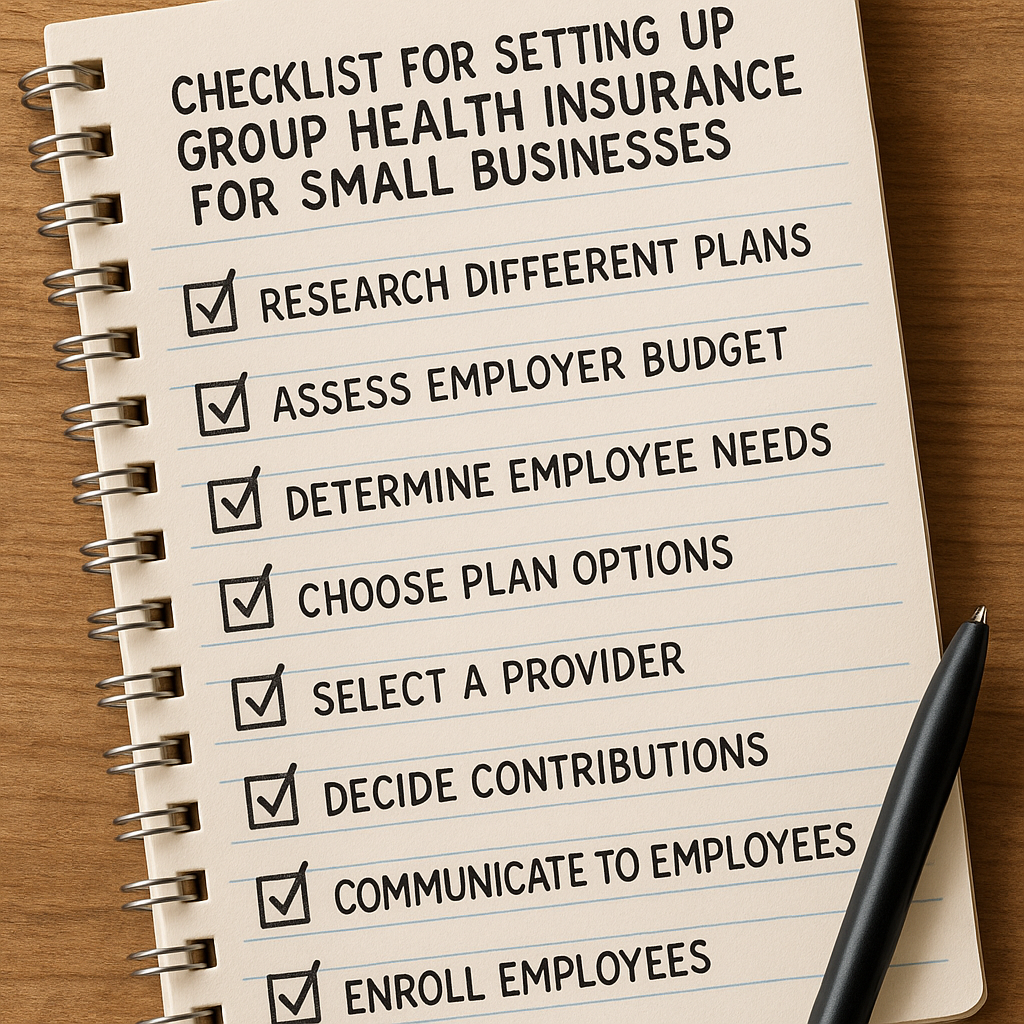
So, what’s the next step for you? Grab that checklist we built, sit down with your trusted advisors, and run the “what‑if” numbers before the year ends.
Remember, a policy that sits idle does nothing for your business. Treat it like any other asset—monitor it, tweak it, and let the cash value work for you.
If you’re ready to turn protection into a growth lever, schedule a quick consultation with Life Care Benefit Services. A short call can clarify which riders, loan strategies, and premium schedules make sense for your unique situation.
Bottom line: the right life‑insurance framework gives you peace of mind, keeps your team secure, and adds a tax‑advantaged reserve you can tap when life throws a curveball. Let’s make that safety net work harder for you.
FAQ
What type of life insurance is considered the best for small business owners?
For most owners the sweet spot is an Indexed Universal Life (IUL) policy that blends a solid death benefit with a cash‑value component tied to market indexes. It gives you flexibility to adjust premiums as cash flow ebbs and flows, while the cash grows tax‑deferred. In our experience the IUL’s living‑benefit riders turn a pure protection product into a usable financial tool for emergencies, growth, and retirement.
How do living‑benefit riders add value for my business?
Living‑benefit riders let you tap a portion of the death benefit while you’re still alive, typically 50‑75 % of the face amount. That cash can cover a sudden medical bill, keep payroll running during a disability, or fund a short‑term bridge loan without dipping into personal savings. Because the withdrawal is tax‑free and doesn’t require a credit check, it acts like an on‑demand emergency fund built right into your policy.
Can I use the cash value of an IUL to fund business expenses?
Yes. The cash value accumulates tax‑deferred and you can borrow against it at a relatively low interest rate. Those policy loans aren’t counted as income, so they don’t trigger a tax bill. Just remember to repay the loan or the outstanding amount will reduce the eventual death benefit. Many owners use the loan to cover equipment upgrades, seasonal inventory spikes, or a temporary cash‑flow crunch.
What’s the difference between group term life and group universal life for a small team?
Group term life is pure protection—usually 1‑2 × salary—and the premium is fixed and low. It’s great for offering a baseline safety net without any cash value. Group Universal Life (GUL), on the other hand, adds flexible premiums and a cash‑value component that grows over time. While GUL costs a bit more, the cash can later be borrowed to support business‑overhead needs, making it a hybrid of protection and savings.
How does a mortgage protection rider work and is it worth it?
A mortgage protection rider earmarks part of the death benefit to pay off your commercial mortgage if you pass away. The insurer pays the outstanding balance directly to the lender, sparing your family or partners from a debt burden. For owners who’ve invested heavily in real estate, the rider is often cheaper than a separate loan and provides peace of mind that the storefront stays alive.
How often should I review my life‑insurance strategy?
At least once a year, preferably during your fiscal‑year planning session. Changes in revenue, new hires, refinancing, or a shift in personal health can all affect the amount of coverage you need and how much cash you should be building. Set a calendar reminder, pull the latest policy illustrations, and run a quick “what‑if” scenario with your CPA and insurance agent to keep everything aligned.
What’s the first step to get the right policy for my business?
Start with a simple gap analysis: list your current debts, payroll needs, key‑person exposure, and any future growth plans. Then match those numbers to a policy type—usually an IUL with a living‑benefit rider, plus a mortgage or overhead rider if you own property. Once you have the rough figures, schedule a quick consult with a trusted insurance advisor to fine‑tune premium levels and rider selections.