How to Choose Group Health Insurance for a Texas Small Business
Let me paint a quick picture: you’re running a Texas‑based shop, 15 staff, and you’re staring at a mountain of paperwork that feels like a tax audit you didn’t sign up for.
So, what if I told you that the key to easing that headache isn’t a new software, but a few smart tweaks to how you bundle coverage?
We’re going to break down group health insurance texas small business into bite‑size chunks, so you can decide what fits without feeling like you’re buying a house in a foreign country.
Industry data shows that businesses with 10–50 employees in Texas can actually save up to 15% on premiums by choosing the right plan mix, and that translates into real dollars for payroll.
Take the example of a small boutique in Austin that added a 3‑year group plan with a flexible deductible. Within a year, they cut their annual outlay by $2,800 and attracted two new hires who cited health coverage as a deal‑breaker.
The first step? Get a quick snapshot of your current costs. Pull your last two years of payroll data, list all existing benefits, and line up the numbers. That gives you a baseline to compare against new quotes.
If you’re wondering how to start the comparison, this guide explains the options for small and mid‑size companies: Group Health Insurance for Small & Mid‑Size Businesses provides a clear framework you can adapt to your team’s needs.
Once you have a shortlist, ask each carrier what’s included in the deductible: are mental health visits covered? Are telehealth visits counted as office visits? Those details can shift the real value by 5–10%.
Beyond coverage, think about how to handle claims: do you want a 24/7 nurse line? Do you need a local provider network that matches your staff’s commute patterns? Mapping those logistics early can shave months off the onboarding process.
If the paperwork still feels like a maze, you might benefit from a partner that can handle the heavy lifting. A practical guide to help desk outsourcing for SMBs shows how a streamlined support team can free up your time to focus on people, not paperwork. A Practical Guide to Help Desk Outsourcing for SMBs is a great next step if you’re looking to streamline other critical business functions.
TL;DR
If you’re a Texas small business owner juggling payroll, health benefits, and hiring, this guide cuts through the jargon so you can see exactly how different group plans stack up and where you can shave dollars without sacrificing coverage. You’ll also learn quick tips for seamless onboarding and cost savings.
Understanding Group Health Insurance Basics
When you’re juggling payroll, hiring, and the day‑to‑day grind, health benefits can feel like that one extra line on an already long invoice. But what if you could flip the script and make coverage work for you instead of against you?
What’s Inside a Group Plan?
At its core, a group health plan is a bundle of benefits you purchase as a collective. Think of it like a subscription you and your team share—everyone pays a portion, the insurer covers the rest, and the plan’s rules dictate what you get.
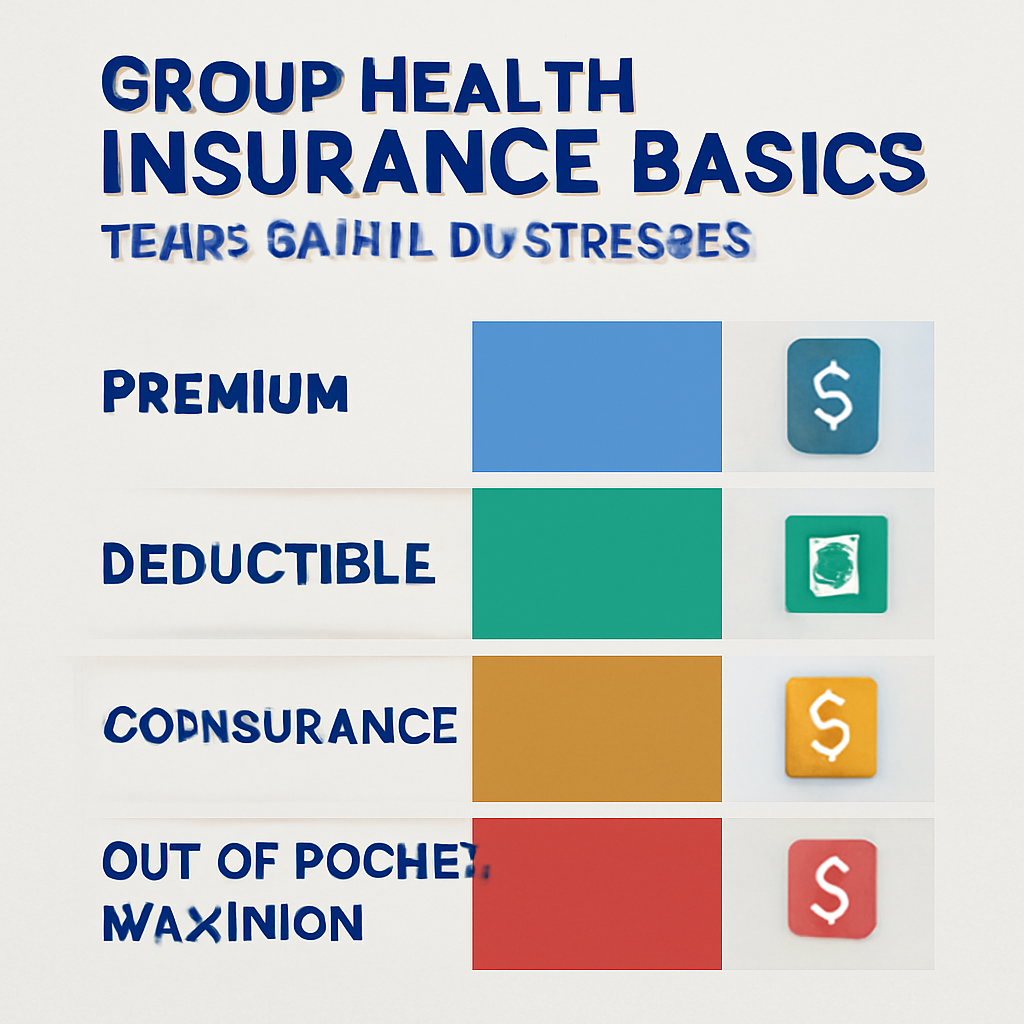
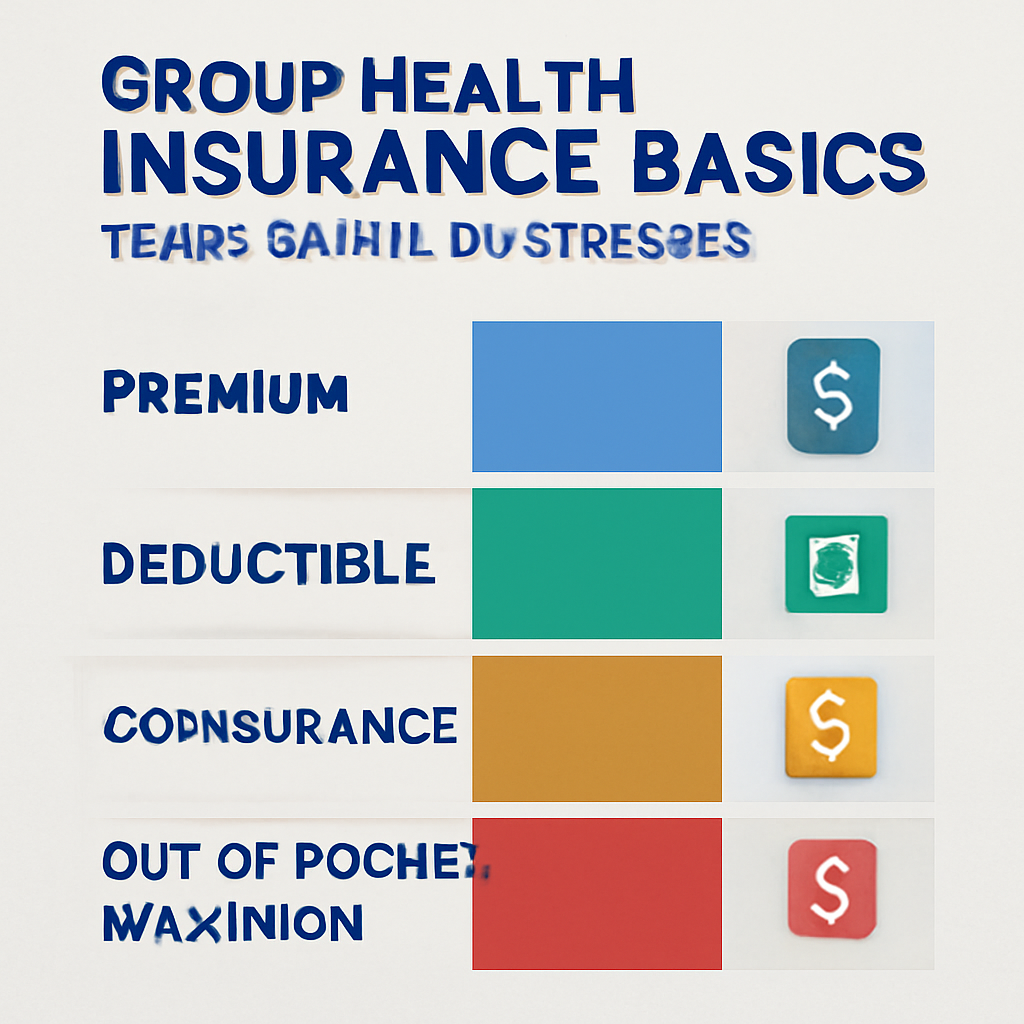
The key terms you’ll encounter are:
- Premium – the monthly cost you pay for coverage.
- Deductible – how much you spend before the insurer kicks in.
- Copay / Coinsurance – the share you pay after the deductible.
- Out‑of‑pocket maximum – the cap on your personal spending each year.
- Network – the doctors and hospitals the plan has deals with.
Understanding these building blocks is the first step toward picking the right mix for your Texas crew.
Why Texas Businesses Love Flexible Deductibles
Texas offers a wide range of carrier options, and many of them let you set the deductible that matches how much risk you’re willing to bear. A higher deductible usually means lower monthly premiums, which is a big win for tight budgets.
However, the trick is to balance that lower premium with the likelihood that your employees will need care. If a worker’s a chronic condition, a high deductible might bite. That’s why many small shops pair a moderate deductible with a high out‑of‑pocket limit.
Cost‑Saving Tactics That Work in the Lone Star State
1. Bundle Benefits: Pair health with vision or dental – carriers often discount bundles.
2. Employee‑Driven Plans: Let staff vote on plan tiers. Those who value flexibility can choose higher deductible options, lowering overall costs.
3. Telehealth Credits: Many carriers now include free telehealth visits in the premium. That’s a cheap way to keep folks healthy and away from the ER.
4. Negotiation Power: Even small groups can negotiate better rates by comparing quotes side‑by‑side. Tools like xlr8well help you crunch the numbers and spot the sweet spots.
Real‑World Scenario: A Boutique Bakery in Dallas
Imagine a bakery with 12 employees. They’re used to a simple health plan with a $2,000 deductible and a $4,000 out‑of‑pocket cap. Over 12 months, the group spends $28,000 in premiums and $15,000 on employee claims.
After a quick audit, they shift to a 3‑year plan with a $3,000 deductible and a $5,000 cap. Premiums drop 12%, and the bakery ends up paying only $12,000 in out‑of‑pocket expenses, thanks to the plan’s better cost‑sharing structure.
That’s a tangible savings of $6,000 – a boost that can be redirected to payroll or new hires.
How to Get Started: Step‑by‑Step
1. Pull your last two years of payroll and benefits data.
2. Create a simple spreadsheet: list current premiums, employee contributions, and claim totals.
3. Use an online quote tool—Edge Negotiation offers a free comparison engine for Texas carriers.
4. Review each carrier’s network size and specialty coverage (mental health, telehealth, etc.).
5. Schedule a brief call with a licensed agent or a local broker who understands Texas regulations.
6. Pilot the new plan for three months and re‑evaluate.
Remember: the goal isn’t just to cut costs, but to give your team a plan that feels useful, not a checkbox that’s forgotten.
Here’s a quick visual breakdown of the plan components and how they impact your budget. Take a look, pause, and see what might make sense for you.
By understanding the mechanics and comparing real numbers, you’re one step closer to a plan that protects your people and protects your bottom line. Let’s keep the momentum going and look at the next piece of the puzzle.
Choosing Between Private and ACA Compliant Plans
Let’s cut through the jargon and get to the heart of the matter: private plans and ACA‑compliant plans are two sides of the same coin, but they swing in different directions when it comes to cost, flexibility, and compliance.
Private Plans vs ACA‑Compliant Plans
Think of a private plan as a custom‑tailored suit. You choose the fabric, the cut, and the style. The upside? You can lock in a fixed premium for the life of the contract, build a network that makes sense for your crew, and sometimes sneak in perks like telehealth or wellness stipends.
But that freedom comes with a price tag—usually higher premiums and a heavier administrative load. You’re also stuck with whatever the carrier offers; there’s little wiggle room to tweak benefit levels mid‑year.
Now picture an ACA‑compliant plan like a pre‑made outfit. It comes with a set of required benefits, a protected network of providers, and built‑in tax advantages. The flip side? Premiums can rise with market shifts, and you’re limited to what the plan’s package offers.
When Private Is Right
Private plans shine when you have a clear vision of what your team needs and can afford to pay for. If your business is growing fast and you want to attract talent with a unique benefit package—say, a 100% employer contribution to a high‑deductible health plan—private can make that happen.
They also work best if you’re ready to handle the paperwork. From annual renewals to claim processing, you’ll need a system that keeps the carrier, employees, and compliance on track.
Example: A boutique graphic design studio in Austin with 18 staff members found that a private plan with a 20% employer contribution to a HDHP helped them keep premiums under $250 a month per employee while offering a telehealth line that saved time and money.
When ACA Is the Smart Choice
ACA‑compliant plans win when you want stability and built‑in compliance. They automatically meet the Affordable Care Act’s essential health benefits, so you avoid the risk of penalties if your coverage falls short.
They also come with tax perks. Premiums paid by the employer are a deductible business expense, and employee contributions can be pre‑tax through a Section 125 cafeteria plan, lowering payroll tax liability.
Small businesses with fewer than 25 full‑time employees and average wages under $65,000 may qualify for the Small Business Health Care Tax Credit—up to 50% of premium costs—making ACA plans even more attractive.
Quick Example
A family‑owned bakery in Dallas with 12 employees enrolled in an ACA plan that covered all essential benefits. Their monthly premium was $280 per employee. After factoring in the tax credit and payroll savings, they actually paid less than $200 per employee, and the plan met all regulatory requirements.
Actionable Decision Checklist
1. Map Your Needs: List out what your team really cares about—telehealth, mental health, flexible hours, or a wellness stipend.
2. Budget the Premiums: Compare the total cost of a private plan’s fixed rate versus an ACA plan’s variable rate and potential tax credits.
3. Check the Network: Will your employees have easy access to local doctors, or do they travel across Texas for care?
4. Verify Compliance: Does the plan meet Texas state requirements and the federal Affordable Care Act?
5. Talk to a Specialist: A licensed broker who understands both private and ACA options can help you weigh the long‑term impact on cash flow and employee satisfaction.
Remember, the right choice isn’t just about the lowest monthly premium—it’s about the overall value you deliver to your team while keeping your business compliant and financially healthy.
Assessing Your Small Business Needs and Coverage Goals
Before you even think about premiums or plan names, pause for a moment and ask yourself what your team really needs. It’s easy to get lost in jargon, but the truth is most small businesses only care about three things: affordability, accessibility, and peace of mind.
Step 1: Map the Human Side of Coverage
Start with a quick round‑table, even if it’s just you and your staff over coffee. Ask each person what would make them feel cared for—telehealth, mental‑health coverage, a wellness stipend, or a simple “no‑deductible” plan. Write down every answer. The goal isn’t to create a perfect list, just to surface what matters most.
Why bother? In our experience, plans that align with employee priorities keep turnover down and morale high. If you see a pattern—say, everyone wants telehealth—make that the north star for the next steps.
Step 2: Crunch the Numbers, But Not All At Once
Pull your payroll data for the last 12 months. Look at total health‑related costs: premiums, out‑of‑pocket expenses, and any tax‑credit savings. This snapshot becomes your baseline.
Then, pull quotes from a few carriers—one ACA‑compliant plan, one private group plan, and maybe a hybrid. Compare the total cost of coverage (including employer contributions, employee premiums, and tax credits). Remember, the lowest monthly premium isn’t always the lowest overall cost.
Got a quick tool? MoneyGeek’s Texas small‑business insurance resource lets you estimate premiums and tax savings in minutes.
Step 3: Evaluate Network Fit
Your team’s daily life matters. If most staff live in Dallas, a plan with a strong Dallas network saves time and reduces hassle. If you have remote workers, make sure the plan offers nationwide telehealth and a broad provider list.
Ask carriers directly: “Do you cover my preferred doctors?” and “How many in‑network hospitals are near my office?” The answers will reveal hidden value that pure premium numbers miss.
Step 4: Align With Texas Laws and ACA Rules
Texas has a few idiosyncrasies: 30‑hour employees must be offered coverage, a 31‑day enrollment window is required, and the 75% participation rule can bar a plan if too few sign up. Keep these rules in mind when drafting your plan packet.
Also, don’t forget the Small Business Health Care Tax Credit—up to 50% of premiums if you meet the eligibility criteria. That’s a real cash‑back that can tip the scales toward an ACA‑compliant option.
Step 5: Build a Simple, Transparent Enrollment Flow
Once you’ve chosen a plan, sketch out the onboarding steps: eligibility check, enrollment window, and confirmation. Keep the process to 5–7 clicks—anything longer and people will abandon it.
Use plain language in your communications. “You’re covered from day 1.” “Your deductible is $500.” Avoid legalese. Trust builds when clarity wins.
Step 6: Test, Tweak, and Repeat
Run a pilot with 3–5 employees. Gather feedback on claim experience, provider access, and overall satisfaction. Adjust the plan before a full rollout.
Re‑review your coverage every 12 months. Payroll grows, staff moves, or new regulations arise—each shift warrants a quick audit.
By treating coverage like a living product—testing, learning, and refining—you keep costs low and employee happiness high.
Remember, the goal isn’t just to save money; it’s to create a health package that feels like a safety net for everyone in your business.
Cost‑Saving Strategies and Tax Benefits for Texas Employers
We’ve all seen the numbers: healthcare costs rise faster than wages, and the average small Texas shop sees a 6% jump in premiums year over year. It’s not just a headline—if you’re a business owner with 10‑50 folks, that translates into a few thousand dollars extra each month.
So what can you actually do? It’s a mix of smart planning, a few tax‑friendly moves, and a willingness to tweak the plan a bit before the next renewal.
Understand the Cost Drivers
In our experience, most of the price comes from three places: the risk pool, the plan design, and how many people actually sign up. If your crew is older or has more dependents, the carrier will price that into the premium. A low participation rate can also trigger higher rates because the risk is spread over fewer people.
One of the first steps is to pull your last 12 months of claims data. Look at the total dollars spent on premiums, out‑of‑pocket costs, and any tax‑credit savings. That snapshot tells you whether the plan is truly cost‑effective or just looks cheap on paper.
Choose the Right Model for Your Cash Flow
High‑deductible plans (HDHPs) paired with a 401(k) or a simple health savings account can keep your monthly premiums low, while still offering tax advantages. A lower deductible, on the other hand, means higher monthly costs but may reduce employee out‑of‑pocket spending and improve satisfaction.
If you’re comfortable with a bit of risk, a level‑funded design—where the employer pays a flat dollar amount each month—can offer predictable costs. It also gives you a built‑in buffer against unexpected claims spikes.
Leverage the Small Business Health Care Tax Credit
Texas employers who qualify can claim up to 50% of their premiums as a tax credit. That means a $300 per employee monthly premium can effectively cost you $150 after the credit. The credit is only available for the first three years of coverage, so plan early.
Remember, you must keep your employee contribution under the 30% threshold if you want to qualify. Many small shops find a balance by covering 80% of the premium and letting employees pay the rest through pre‑tax payroll deductions.
Maximize Participation with a Clear Communication Plan
A 75% participation rule can bar your carrier from selling you the plan if too few staff sign up. That’s why a simple, jargon‑free enrollment packet can be a game‑changer. Use plain language: “You’re covered from day 1. Your deductible is $500.”
Ask each employee what matters most—telehealth, mental health, a wellness stipend—and highlight those features in your communications. When people see what they’ll actually benefit from, they’re more likely to enroll.
Proactive Renewal: The Early‑Bird Advantage
Don’t wait for the carrier to send you a renewal packet. Mid‑year, review claim patterns and participation. If you see a trend—like a spike in urgent care visits—you can negotiate a better network or adjust your deductible before the new plan kicks in.
Companies that review their coverage every six months report a 10% reduction in premiums over three years. It’s like giving your budget a mid‑season tune‑up.
Utilize Section 125 Cafeteria Plans
Pre‑tax contributions through a cafeteria plan lower payroll taxes for both you and your employees. If you already offer a flexible spending account, adding a health insurance component can boost employee satisfaction while shaving off $3.50 per $1 of contribution in payroll taxes.
Practical Checklist to Get Started
- Pull 12‑month claims and premium data.
- Run a quick cost model: HDHP vs. PPO, employer vs. employee contribution split.
- Check eligibility for the Small Business Health Care Tax Credit.
- Create a plain‑English enrollment packet.
- Schedule a 30‑minute chat with a carrier to discuss participation incentives.
- Set a mid‑year review to tweak plan design before renewal.
Need a deeper dive into how rising inflation is affecting premiums? PAX Financial Group’s guide explains the underlying mechanics and offers practical steps for small Texas businesses to keep costs manageable. Read their full analysis.

In short, the right mix of plan design, tax strategy, and proactive communication can turn your health benefits into a cost‑saving tool instead of a liability. Start with the data, ask the right questions, and you’ll see the savings start to show—often before the next renewal date arrives.
Enrollment Process and Employee Communication
Let’s cut to the chase: enrolling your crew into a new health plan is less about paperwork and more about people. You’ve already decided which coverage fits your budget, now it’s time to get everyone on board without sending them to a maze.
First stop: the timeline. In Texas, small‑group plans let you sign up any time, but the sweet spot is the enrollment window that follows a new hire’s start date. Think of it as a 31‑day “welcome kit” that gives everyone a clear deadline. Don’t let the deadline slip—set a calendar reminder and send a friendly email that says, “You’re covered from day one, and here’s how to claim it.”
Step 1: Set the Stage with a Clear Packet
Everyone loves a one‑page cheat sheet. Pull together the 75% participation rule, the 90‑day coverage start rule, and a quick FAQ on deductibles. Keep the language plain: no legalese, no “benefit summary.” Make the first sentence answer the most common question: “Do I have to sign up?” The answer is simple—yes, but it’s optional if you choose to opt out of the plan.
Include a short video or infographic if you can, but keep it under 30 seconds. Visuals help people absorb the facts faster than a paragraph of bullet points.
Step 2: Communicate the Why—Why It Matters to Them
When you talk about coverage, shift the focus from “we’re buying insurance” to “this is about you staying healthy and not breaking the bank.” For example, say, “With telehealth, you can see a doctor from your couch and skip the waiting room.” If someone has a child, point out the preventive visits that keep those growth spurts on track.
Ask employees what they worry about when they think of health insurance. Use that feedback to tweak your messaging. If the majority want mental health coverage, highlight that in every email.
Step 3: Offer a 30‑Minute “Walk‑Through” Call
Book a short call for each staff member or a team session. Keep it informal—think coffee chat. During the call, walk through the portal, show how to log in, and answer questions live. Record the session (with permission) so people can revisit it.
Remember the 90‑day rule—if an employee’s coverage starts before 90 days, they’re automatically in a “special enrollment” period. Let them know that’s a one‑off and they can adjust their contributions later.
Step 4: Capture Feedback Mid‑Month
After the first two weeks, send a quick survey: “Did you find the enrollment portal easy to use?” and “What’s your biggest question about the plan?” Even a single sentence answer gives you a pulse on the process.
Use the data to tweak the next batch of communications. If 30% of staff can’t locate their deductible information, add a link or a short video in the next email.
Step 5: Celebrate Participation Milestones
When you hit that 75% participation threshold, give your team a shout‑out. A short Slack message or a newsletter highlight goes a long way. It reinforces that the plan is working for everyone and keeps the momentum going.
Celebrate also when people finish their enrollment—send a “You’re in!” badge or a small thank‑you note. Recognition builds goodwill and reduces the chance of people dropping out later.
Legal Reminder
Texas law mandates that fully insured plans include pre‑existing conditions, maternity, and mental health services. You can read more about the specific requirements at Texas employer health insurance laws.
By treating enrollment as a conversation rather than a compliance tick‑box, you’ll see higher participation, fewer questions, and a happier, healthier workforce. The goal is simple: make it so easy for your team that they don’t think twice about signing up.
Ongoing Management and Plan Evaluation
Let’s get into the real work that keeps your group health plan humming. Think of it like tending a garden—you plant the right mix, water it regularly, and pull out weeds before they choke the plants.
First thing to remember: plans aren’t static. After the enrollment period, the real job starts: monitoring usage, catching trends, and tweaking coverage so the budget stays healthy.
We’ve seen small shops in Houston swing from a 5% premium bump to a 12% one when a new senior hires a child. That’s why we set up a quarterly data snapshot. Grab your last 90‑day claims run, slice it by benefit type, and see where the dollars are flowing.
Here’s a quick checklist you can run in Excel or a spreadsheet:
- Claim volume by service (preventive, urgent care, ER)
- Average out‑of‑pocket per employee
- Number of out‑of‑network claims
- Employee satisfaction score from a short survey
Once you’ve got the numbers, you’re ready for the evaluation phase. Ask: “Did we meet our goals?” For example, if your target was a 15% reduction in out‑of‑pocket costs but the data shows a 6% drop, it’s time to revisit the deductible structure.
Real‑world example: A boutique marketing firm in Dallas noticed their telehealth visits jumped 40% after the first enrollment email. They shifted part of the premium cap to a telehealth stipend, and the next quarter’s total claims fell by 8%.
That’s the power of data‑driven tweaks. It’s not about fixing everything at once; it’s about small, evidence‑based changes that add up.
Step 1: Build a Monthly Dashboard
Put key metrics in a single screen—premium cost, average deductible, claim count. A simple graph shows trends and flags spikes. If a sudden spike appears, investigate before it turns into a budget hit.
Tip: Use free tools like Google Data Studio or a spreadsheet chart. You don’t need a fancy BI package.
Step 2: Conduct a “Health Check” Survey
Ask your team: “Are you satisfied with your coverage?” Keep it under 5 questions. You’ll surface pain points—maybe the provider network is too small, or the mental health resources aren’t clear.
Use the survey results to set a “fix” agenda for the next enrollment cycle.
Step 3: Review Carrier Communications
Carriers send quarterly updates—rate changes, new benefits, or regulatory adjustments. Treat them like a news feed. If a carrier adds a new pharmacy benefit, decide quickly if it adds value or inflates costs.
Remember: Texas law requires coverage for mental health and maternity. A lapse in compliance can trigger penalties.
Step 4: Re‑evaluate Tax Credits and Section 125 Plans
Every year you can shift the employer contribution percentage. If your cash flow improves, bump the employer share to pull more money into the plan and keep employees happier.
Consider this: Moving from 80% to 85% employer contribution can cut an employee’s monthly cost by roughly $5, which is a big deal for a $200‑per‑month plan.
Step 5: Test the Water with a Pilot Change
Before a full roll‑out, pick 5–10 employees to test a new deductible or a wellness stipend. Collect their feedback. If the pilot is successful, roll it out company‑wide.
Why pilots work: They give real data without committing the whole budget.
Step 6: Set a Renewal Review Calendar
Mark two dates on your calendar: mid‑year and renewal. Mid‑year you assess usage; renewal you decide on plan changes. This keeps you from waiting until the last minute.
At Life Care Benefit Services, we schedule a brief call with our clients a week before renewal. We walk through the data and discuss the next step.
We’ve seen this process cut costs by 7% on average for small Texas businesses. That’s roughly $2,000 a year for a 10‑employee shop.
Ready for a Deep Dive?
Want a step‑by‑step guide on setting up your dashboard? Or need help interpreting your claim data? Reach out, and we’ll walk you through the process.
Curious about how the ACA Marketplace might fit into your plan? Check out this guide that compares marketplace plans for a fresh perspective.
By making ongoing management part of your routine, you keep the plan cost‑effective, compliant, and genuinely useful for everyone on your team.
FAQ
What drives the cost of group health insurance for a Texas small business?
First off, the size of your risk pool matters. A handful of older employees or those with chronic conditions can bump premiums because insurers weigh higher expected claims. Next, the plan design—high‑deductible versus low‑deductible—changes how much the employer covers up front versus what employees pay later. Finally, participation rates play a role: if fewer people sign up, the cost per person rises because the risk spreads over a smaller group.
In our experience, the mix of these three factors often explains why one shop sees a $300 jump while another stays flat.
So, if you’re looking to trim costs, start by spotting which of those levers is the biggest headache in your shop.
How does the 75% participation rule affect my plan?
That rule means at least three‑quarters of your full‑time workforce must enroll for the carrier to offer you the plan. If you fall short, the insurer can refuse to sell you a group policy or increase rates to offset the higher risk.
Because of this, clear communication and a gentle reminder of enrollment deadlines are vital. Think of it as a gentle nudge—”Your benefits start January 1, and we’re excited you’ll be part of it.”
Missing that threshold can cost you dearly, not just in premiums but in compliance headaches.
Can I customize the deductible to suit my employees’ needs?
Yes—many carriers allow you to set a deductible that fits the average health usage of your crew. If most of your team prefers preventive care over hospital visits, a higher deductible paired with a low monthly premium can save money while still covering routine check‑ups.
Conversely, if you know a handful of employees need more frequent treatment, you can opt for a lower deductible. This balance keeps the plan affordable for everyone.
What we see work best is offering a choice: a core plan for most and a supplemental high‑deductible option for those who want it.
What tax credits can a small Texas business claim with group health insurance?
The Small Business Health Care Tax Credit is a headline deal—up to 50% of employer contributions for the first three years of coverage. That can cut a $280 monthly premium down to $140 or less.
To qualify, you need to be a small employer (fewer than 25 full‑time employees) and pay at least 50% of the employee premium. The credit is applied directly to your tax return, so it’s a real dollar‑for‑dollar savings.
In addition, pre‑tax payroll deductions through a Section 125 cafeteria plan lower payroll taxes for both you and your staff.
How often should I review my group health plan?
At least twice a year—once mid‑year and once at renewal. Mid‑year lets you catch trends, like a spike in urgent care visits, and tweak deductibles or benefit limits before the next cycle.
At renewal, you’ll have a fresh snapshot of claims data, employee participation, and cost drivers, so you can negotiate better rates or switch carriers if needed.
Skipping these reviews often means missing out on savings and potentially violating compliance thresholds.
What common mistakes should I avoid when renewing my group health insurance?
The first is assuming the old plan is the best deal again. Markets shift, and carrier rate changes can be significant. Always compare multiple quotes and check for hidden cost drivers.
Second, ignore the 75% participation rule. An enrollment dip can trigger higher premiums or a denial of coverage.
Finally, overlook employee feedback. If a plan doesn’t align with what your team values—like telehealth or mental health—turns out to be a silent churn factor.
How can I get quotes from multiple carriers quickly?
Use a broker or a comparison platform that partners with several top‑rated carriers. Provide them with consistent data—employee counts, average age, and any unique medical needs—and let them run their models.
After a few days, you’ll have a side‑by‑side sheet of premiums, deductibles, network breadth, and potential tax credits. This makes the decision a data‑driven one rather than a guess.
Remember, the goal is a plan that balances cost, coverage, and compliance for your Texas small business.
Conclusion
We’ve walked through the maze of premiums, compliance rules, and employee wants. The real win is when you finish the cycle feeling confident that your plan protects people and protects pockets.
First, remember the audit. Pull a 12‑month snapshot, compare a handful of quotes, and look at the 75% participation rule. If you’re stuck at 70%, a quick call with a broker can swing the numbers.
Second, keep the conversation alive. Share the results in a short email, highlight the telehealth perk, and ask a couple of quick questions about what matters most. You’ll see enrollment jump without feeling pushy.
Third, set a mid‑year check‑in. If urgent‑care visits rise, consider a higher deductible or a wellness stipend. Small tweaks often save a few thousand dollars a year.
Keep the paperwork simple, and never let the paperwork feel like a chore. A quick, clear summary sheet can keep employees focused on what matters.
Finally, celebrate wins. A simple “you’re covered” badge or a quick thank‑you note builds goodwill. Employees feel valued, and you’ve earned a stronger, more loyal team.
So, what’s next? Take one step at a time, stay curious, and let the numbers guide you. Your plan isn’t a fixed contract; it’s a living partnership that grows with your business.