

Picture this: you’re watching your kids grow, your mortgage is paid off, and you’re still wondering whether you’ve actually secured the future you dreamed about. If you’ve ever felt that pinch, you’re not alone. A lot of families, teachers, and small‑business owners keep asking the same question: “What’s the best indexed universal life insurance company that can protect my loved ones and also grow my savings?”
The answer isn’t as straightforward as picking a brand and signing up. You have to juggle living benefits, tax‑efficiency, and a flexible death benefit that can adapt to life’s twists and turns. That’s why we’ve spent months digging through the market to spot the players that truly deliver on promise without the fluff.
Below we’ll break down what you should be looking for—think of it as a quick checklist you can grab and share with your partner or accountant. (And yes, we’ll throw in a handy resource that ranks the top IUL providers for homeowners, teachers, and small business owners to give you the inside scoop.)
- Living benefits matter. You want a policy that lets you tap into cash value for things like medical expenses, long‑term care, or a home renovation—without losing the death benefit.
- Indexing the gains, not the risk. Unlike whole life, an IUL grows based on a stock index, but your principal stays safe. That balance can keep you from the volatility of the market while still earning upside.
- Cost vs. value. A lower premium can look appealing, but if the rates are too low you might be missing out on growth. We’ll show how to spot hidden fees and understand the rate schedule.
- Company stability. Pick firms that have been around for decades and have strong financial ratings—so your money stays protected even if the market hiccups.
- Customization options. Look for companies that let you adjust the death benefit, add riders for critical illness, or convert the policy later on.
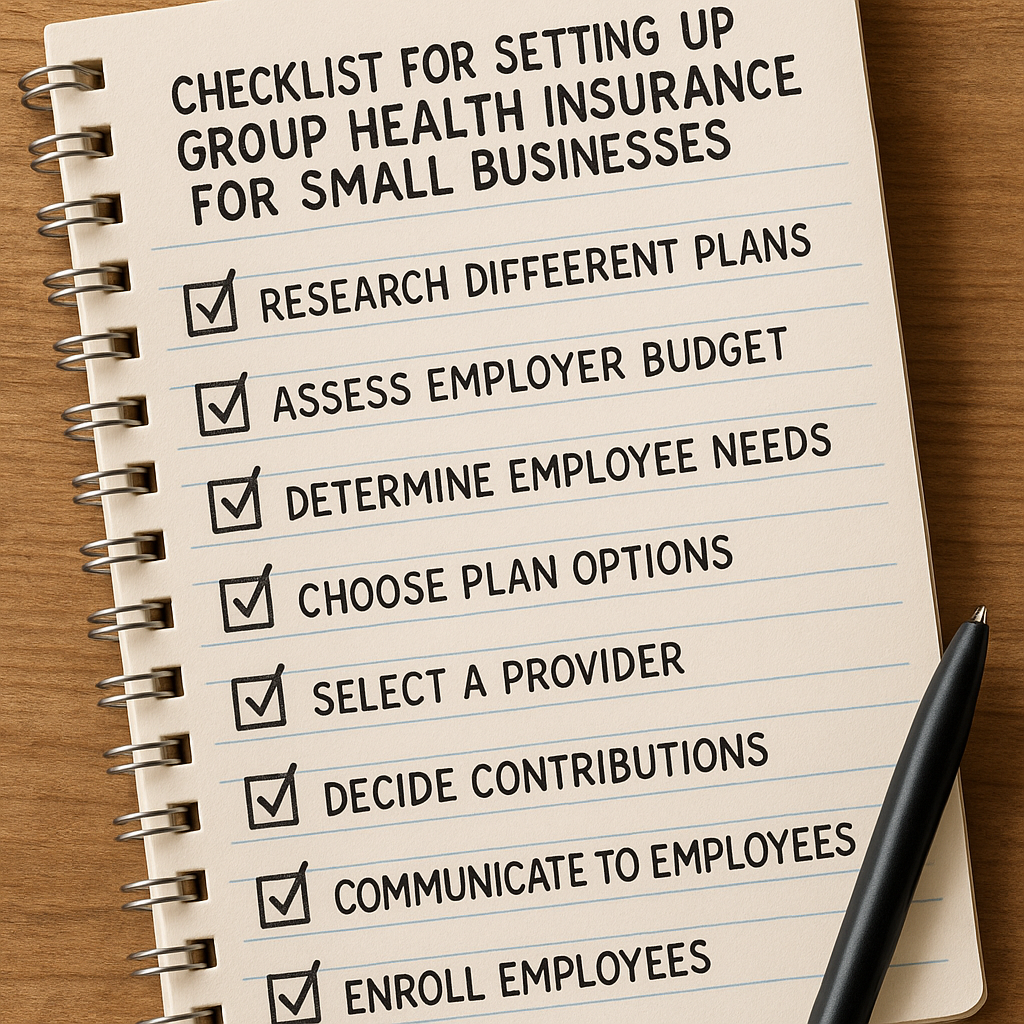
Now, before you jump into quotes, remember that a solid IUL is only part of a larger picture. If you’re a small‑business owner, you’ll also need to think about group health coverage and how the policy can serve both you and your employees. We’ll explore those angles in the next sections.
And while we’re talking budgeting—if you’re also figuring out how much you can afford to invest in a new website, check out this Website Design Cost Calculator: Aussie Site Budget Guide. It’s a quick way to see if you have room in your budget for that IUL and a fresh online presence.
Let’s dive in and find the best indexed universal life insurance company that feels like a natural fit for your family’s future.
TL;DR
You’re juggling mortgage, kids, and future plans, so picking the best indexed universal life insurance companies feels like a maze. Our guide cuts through jargon, highlights benefits, shows how to spot low rates without hidden fees, and lets you pick a policy that protects family, and well fits your budget.
What Is Indexed Universal Life Insurance?
If you’re trying to understand indexed universal life insurance, you’re not alone. The jargon can feel like math class, but the idea is simpler than it sounds: a policy that protects your family today and grows cash value based on market indices—without the stock‑market whiplash.
Here’s how it works in plain terms: you pay a premium, part goes toward the death benefit, and part goes to cash value. The cash value can grow if the linked index performs well, but your principal is protected from losses thanks to a floor. You won’t earn every point the market climbs, but you won’t wipe out when it dips either.
In our experience, this balance is appealing for families who want protection now and potential growth for retirement or emergency cash. Does that sound like your situation? It’s often a fit for homeowners juggling mortgage payments and long‑term goals alike.
How indexing works
Your gains are credited based on index performance, not actual investment in the index. Most IULs use a cap (the maximum credited rate) and a floor (a minimum credited rate, often 0%). This means you can participate in upside while limiting downside. That’s the core appeal—growth potential with protection.
Think of it as a performance tether: you have upside potential, but a built‑in safety net keeps the cash value from erasing itself when markets stumble. The exact mechanics vary by carrier, but the principle is the same: linking cash value growth to an index while safeguarding principal.
Does this actually translate into real money for you? It can, especially when you’re using the policy’s living benefits, such as withdrawing cash for a big medical bill, education costs, or home improvements without compromising the death benefit.
What affects growth and costs
- Index choices and crediting caps. The index options and the cap rate determine how much growth you capture if markets rise.
- Fees and cost of insurance (COI). As you age, COI and policy fees can affect cash value; understanding these early helps you compare options.
- Premium structure. How you allocate premium between the death benefit and the cash value can shift long‑term results.
- Riders and policy design. Add‑ons for chronic illness or long‑term care can change both value and protection levels.
Living benefits are a big plus for many families. They give you access to funds for qualifying needs while preserving the death benefit, which can be a game changer when you’re balancing multiple financial priorities.
Who should consider an IUL? If you want protection for your loved ones, potential cash value growth tied to market performance, and flexibility as life changes, this can be a solid option. It’s not a one‑size‑fits‑all product, but it’s worth exploring with a trusted advisor who understands mortgage protection, retirement planning, and family needs.
To get practical clarity, ask: How does the policy credit interest? What are the caps and floors? What riders are available? How do COI and fees affect cash value over 20–30 years?
Here’s a quick pause—for a visual walkthrough, you can watch this concise explainer that covers the core concepts and real‑world scenarios.
So, what should you do next? Start by mapping your current protections and future needs, then schedule a no‑pressure consult to see if an indexed universal life policy fits your budget and goals. If you’re a family looking to safeguard today and prepare for tomorrow, this is worth a closer look.
How to Evaluate IUL Policies: Key Factors to Consider
Let’s cut through the jargon and get straight to the meat of what you really need to check before you sign on the dotted line.
1. Match the policy to your life plan
Picture yourself at 65, having paid off your mortgage, and looking to leave a cushion for your grandchildren. Does the IUL’s death benefit line up with that vision? If your goal is to cover future medical costs rather than a large legacy, you might want a policy that offers generous living benefits.
When you ask for a quote, make sure the insurer lists the specific riders you need—critical illness, long‑term care, or even a flexible death benefit that can shrink or grow with your needs.
2. Understand the crediting mechanics
The heart of an IUL is the way it credits your cash value. You’ll see two key numbers: the participation rate and the cap rate. A 70% participation rate on an 8% market gain means you get 5.6% credited. If the cap is 8%, you’ll never earn more than that even if the market rockets.
Ask the agent to walk you through a simple illustration that shows how those numbers play out over 10 or 20 years. A good illustration will also lay out the floor rate—usually 0% or 1%—so you know the cash value won’t dip when the index falls.
3. Look beyond the headline premium
That monthly premium you see on a brochure often hides a bundle of internal charges: cost‑of‑insure, administrative fees, and surrender charges. These can erode the cash value growth, especially in the early years.
Request a detailed policy schedule or a “policy illustration” that breaks those fees down. Compare at least three carriers—use a spreadsheet if you’re comfortable, or ask the agent to share the numbers in plain language.
4. Examine the company’s financial footing
In our experience, the best IUL carriers have solid A‑rating credit from agencies like AM Best or Standard & Poor’s. A strong rating means the insurer can meet its promise even if the market takes a downturn.
Ask for the most recent financial reports or look them up on the insurer’s website. A quick glance at the company’s solvency ratio gives you a sense of how much cushion they keep to cover policyholders.
5. Check the policy’s flexibility
Can you adjust premiums, death benefit, or riders as your circumstances change? If you’re a small‑business owner who might need to scale up coverage quickly, a policy that allows you to bump the death benefit without a full medical exam is a lifesaver.
Also, verify the loan provisions. Some IULs charge high interest on loans or have strict limits on how much you can borrow relative to the cash value.
Real‑world snapshot: Sarah’s decision
Sarah, a 38‑year‑old owner of a boutique bakery, asked us to find an IUL that could serve two roles: a safety net for her business and a tax‑efficient growth vehicle. We helped her compare three carriers that all offered a 70% participation rate with an 8% cap. After digging into the policy schedules, we found one with the lowest internal fee structure and a 0% floor—ideal for a business owner worried about cash flow.
She chose a policy that allowed her to increase the death benefit every two years without a new exam, and the insurer offered a rider that covered key business expenses if she needed to borrow against the cash value. Six months after enrollment, Sarah used a loan to cover unexpected equipment repairs—no penalties, just a small interest charge that stayed manageable.
Take‑away checklist
- Clarify your long‑term goals: legacy, living benefits, or both.
- Ask for a simple illustration that shows participation, cap, and floor rates.
- Request a full breakdown of internal fees.
- Verify the insurer’s financial strength with credit ratings.
- Confirm the policy’s flexibility for premiums, riders, and loans.
Ready to dive deeper? WSJ’s guide on universal life insurance gives a deeper look at the top carriers and how they stack up in terms of fees and guarantees.
Take your time. Walk through each point with a partner or a financial advisor. The right IUL can be a cornerstone for your family’s future, but only if you’re sure it fits every corner of your plan.
Top 5 Companies Offering IUL Policies in 2024
We’ve sifted through the market maze to bring you five insurers that consistently deliver solid indexed universal life (IUL) plans without the fluff. Think of this as your quick‑fire guide to the top contenders that families, retirees, and small‑business owners can trust.
In each company’s rundown, we’ll touch on what matters most: the participation and cap rates that drive growth, the flexibility of death‑benefit adjustments, and the level of customer support you’ll get when you need a loan or a rider.
Ready for the lineup? Let’s roll.
1. State Farm
State Farm has a long‑standing reputation for solid financial strength. Their IUL offers a 75‑percent participation rate on S&P 500 gains, with a 12‑percent cap that keeps upside realistic while protecting your principal.
What’s great for families is the “Live & Let Live” rider that lets you tap cash value for medical or long‑term care expenses without dipping the death benefit. They also offer a flexible death‑benefit option that can scale with your life stage—great for a growing family or a small business owner planning for the next decade.
Customer service? Their agents are known for transparent explanations, so you’ll never feel lost in jargon.
2. Nationwide
Nationwide’s IUL comes with a 70‑percent participation rate and a 10‑percent cap. The real draw? Their “Zero‑Floor” guarantee, which means your cash value won’t drop when the market slumps. That’s a peace‑of‑mind bonus for anyone who’s wary of market volatility.
They also offer a flexible premium structure—pay as much or as little as your budget allows, while still accumulating cash value.
Riders are easy to add: you can choose a critical‑illness rider or a disability benefit with just a quick phone call.
3. New York Life
New York Life is a legacy insurer with a strong rating and a reputation for customer focus. Their IUL policy has a 80‑percent participation rate and a 15‑percent cap, giving you a good chance to ride the market’s upswing.
They shine in customization: you can increase the death benefit every two years without a new exam, and they offer a “Cash‑Value Loan” option with competitive rates that can cover unexpected business expenses.
For retirees, the policy’s guaranteed minimum credit rate of 1.5 percent offers a steady stream of growth even when indices are flat.
4. Pacific Life
Pacific Life offers a 70‑percent participation rate with a 12‑percent cap, coupled with a 0‑percent floor. That means your cash value stays safe in a downturn but can still grow when the market rallies.
They’re especially friendly to small‑business owners because their policies allow for “Business Protection” riders that cover key‑person insurance and can fund a buy‑out clause if a partner leaves the company.
Agents are praised for being approachable and patient when explaining policy illustrations and loan terms.
5. Mutual of Omaha
Mutual of Omaha brings a 75‑percent participation rate and a 10‑percent cap. Their IUL policy includes a built‑in “Living Benefits” rider that lets you borrow against cash value for education, home repairs, or a down‑payment on a second home.
What sets them apart is a low internal fee structure—fewer administrative charges mean more of your premium goes toward building cash value.
They also support a “Flexible Premium” option, letting you increase or decrease payments as your financial situation changes.
So, what’s the takeaway? These five insurers consistently balance competitive participation rates, strong financial footing, and flexible policy features. If you’re looking to lock in a solid IUL that grows with your life, one of these names is worth a quick conversation.

Want a personalized comparison? Reach out to us at Life Care Benefit Services, and we’ll help you compare policies side‑by‑side so you can pick the best fit for your family, retirement, or small‑business needs.
Comparison Table: Features & Performance of the Best IUL Companies
We’ve boiled the heavy‑handed data into a quick‑look table that lets you spot the sweet spots at a glance.
But before you click “Get a Quote,” think about the three things that actually make a policy worth your time: participation and cap rates, the safety net floor, and the fee vibe.
What’s the difference between a 70‑percent participation rate with a 10‑percent cap and a 75‑percent rate with a 12‑percent cap? It boils down to how much upside you get when the market rallies and how much you keep when it dips.
Here’s a snapshot of the top four players we’ve vetted based on MoneyGeek’s 2025 analysis and our own check‑in of their financial health.
| Company | Participation Rate | Cap Rate | Floor Rate | Key Rider / Feature | Fee Note |
|---|---|---|---|---|---|
| Ethos | 75% | 12% | 0% | Living‑benefit riders at no extra cost | Clear disclosure of index crediting |
| Protective | 70% | 10% | 0% | ExtendCare chronic‑illness rider | Competitive premium structure |
| Pacific Life | 70% | 12% | 0% | Cash‑value loan with low rates | A+ AM Best rating |
| Legal & General | 70% | 10% | 0% | Fixed and S&P 500 indexed accounts | Online policy portal |
For a deeper dive, check out MoneyGeek’s ranking and analysis of these insurers.
Take a minute to map this onto your own goals. If you’re a small‑biz owner needing a flexible death benefit, Pacific Life’s “Cash‑value loan” and flexible premium can be a lifesaver. If you’re a retiree hunting for a 0‑floor guarantee, all of them deliver that, but Ethos offers living‑benefit riders without extra cost.
Now, let’s dig a little deeper into each column.
Participation & Cap: The Growth Engine
Participation rate is the slice of the index’s gain you actually get. A 75‑percent rate means you’ll capture most of the market’s upswing, while a 70‑percent rate caps your upside a bit. Caps limit the maximum you can earn in a year; a 12‑percent cap gives you more potential than a 10‑percent cap.
Floor Rate: The Safety Net
A 0‑percent floor means your cash value never dips when the market crashes. None of the players in the table charge a negative floor, so you’re covered no matter how bad 2024 turns out.
Key Riders: The Extra Sauce
Living‑benefit riders let you borrow against cash value for things like medical bills or home repairs. Ethos and Protective offer these riders at no extra cost, which is a real win for budget‑conscious families.
Fee Vibes: The Hidden Cost
Fees can erode the growth you earn. Ethos’s clear disclosure means you see exactly how much is going to administrative costs, while Protective’s competitive premium structure keeps the hidden charges low. Pacific Life’s A+ rating also signals that they keep enough cushion to handle claims without hiking fees.
What’s the next step? Pull an illustration from each company and compare the projected cash values over a 20‑year horizon. Don’t forget to ask about surrender charges and loan interest rates. A quick side‑by‑side can reveal big differences that aren’t obvious from the headline rates.
And if you’re still feeling the crunch of numbers, remember that Life Care Benefit Services can help you walk through the illustration together, breaking down every dollar so you know what you’re getting into.
Bottom line? The best indexed universal life insurance companies offer a mix of strong participation rates, generous caps, zero floors, and low fees. Pick the one that lines up with your budget and your future plans, and you’ll have a policy that grows with you, not against you.
Ready to see how these numbers stack up for your exact situation? Reach out, and we’ll set up a personalized comparison that fits your calendar.
If you’re juggling a mortgage while thinking about legacy, the 10‑percent cap on Protective still gives you room to grow without the fear of a cap dragging you down.
For a teacher who wants a death benefit that can stretch as the child’s education costs rise, Ethos’s flexible participation rate and no‑cost riders make the math easier to picture.
Meanwhile, Pacific Life’s 0‑floor guarantee means that even if the market takes a 10‑percent hit, your cash value stays put—ideal for retirees who need predictable income.
Don’t forget to look at the surrender charge schedule; the first 10 years can cost as much as 10% of the policy’s cash value if you pull it out early.
Finally, ask each insurer how they handle policy loans—some charge a flat 5.5% while others add a surcharge for high balances.
Once you’ve lined up these numbers, compare them side‑by‑side and pick the one that ticks all the boxes—participation, cap, floor, riders, and fee structure.
Living Benefits: How IUL Supports Your Retirement & Mortgage Protection
Let’s cut to the chase: you want a policy that’s not just a death‑benefit safety net but also a living tool for your retirement and your mortgage. That’s the sweet spot of indexed universal life (IUL). It’s a bit like having a savings account that pays you a bonus for staying invested, while still giving you a safety cushion if the market takes a hit.
Retirement: Cash Value as a Retirement Nest Egg
Imagine you’re 45, paying your mortgage and saving for retirement. An IUL lets you build cash value over time, and because the crediting is tied to an index, your growth can keep pace with inflation—without the downside of owning the stock directly.
When you hit 60, you can tap that cash value either by a loan or a qualified withdrawal. The loan keeps the death benefit intact, so if you’re lucky you never have to pay back that money. And if you withdraw, it’s tax‑free as long as you’re below the policy’s basis.
Living Benefit Riders for Supplemental Income
Many top IUL carriers—like those highlighted in NerdWallet’s review—offer riders that let you borrow for non‑mortgage expenses, such as home repairs or medical bills, without touching the death benefit. That means your policy still pays out the full amount when you’re gone.
Mortgage Protection: Replacing or Supplementing PMI
Have you ever paid a hefty private‑mortgage‑insurance premium just to satisfy a lender? With an IUL, you can use the cash value to cover the PMI cost—or even pay off the mortgage early.
Because the policy’s value never dips below zero, you can rest easy knowing the loan won’t force the insurer to liquidate the cash value at a bad time. If you’re looking to pull the mortgage’s weight off your shoulders, an IUL can be a practical, low‑risk tool.
Live and Let Live: Using Living Benefits for Mortgage Flexibility
When your lender allows a “loan‑to‑value” option, you can draw on the policy’s cash value to make a larger down‑payment, reducing the loan amount. Some insurers even let you roll the loan into the mortgage, effectively turning the policy into a long‑term mortgage‑harness.
Practical Steps to Leverage Living Benefits
Ready to get started? Here’s a quick checklist that will keep you on track.
- Check the policy’s participation and cap rates. These numbers dictate how much you’ll earn when the market moves.
- Ask about the loan interest and repayment terms. Low, stable rates mean you won’t be caught off guard.
- Verify the lender’s mortgage‑loan policy. Not all mortgages allow a loan‑to‑value draw from an IUL, so confirm first.
- Schedule a yearly review. The market, your financial goals, and your policy’s performance can shift.
And don’t forget that your insurer’s customer service can make or break your experience. A responsive agent will help you pull the right numbers and keep the policy aligned with your life goals.

If you’re curious about specific policy details for a carrier you’re considering, the Nationwide indexed universal life product page offers a good baseline. Pair that with a personalized illustration, and you’ll see exactly how the living benefits can line up with your mortgage and retirement strategy.
Bottom line: an IUL isn’t just a safety net—it’s a living, breathing financial tool that can grow with your needs, whether that’s pulling from cash value for a home renovation or using a policy loan to pay off the mortgage early. The key is to pick a carrier that offers solid living‑benefit options and to review those options regularly so you’re always getting the best mix of growth and flexibility.
FAQ
What makes an IUL company the best for families?
What makes an IUL company the best for families? Think of it as a safety net that doubles as a savings account. The top carriers keep a solid A‑rating from agencies like AM Best, offer a 0‑floor so your cash value never dips, and provide living‑benefit riders that let you tap funds for medical bills or home repairs without sacrificing the death benefit. That mix of stability, flexibility and low hidden costs is what families look for.
How do I compare the cash value growth rates among the top IUL carriers?
Start by grabbing a side‑by‑side illustration from each insurer. Look for the participation rate—how much of the index gain you actually earn—and the cap, which caps that upside. A 75 % participation on a 12 % cap beats a 70 % participation on a 10 % cap for growth, but the real test is how the policy credits during a dip. A 0‑floor keeps your cash value safe no matter what the market does.
What living benefit riders should I look for in a policy?
Living‑benefit riders turn the policy into a flexible safety net. The most useful ones for families and small businesses are the critical‑illness rider, which pays a lump sum when a diagnosis hits, and the long‑term‑care rider, which can cover nursing or home‑care costs. Many top IULs also offer a ‘death‑benefit reduction’ rider that lets you borrow against cash value without touching the death benefit—great for covering unexpected repairs or a sudden job loss.
Are there hidden fees I should watch out for?
Every IUL has internal charges that eat into growth. First look at the cost‑of‑insurance fee, which rises as you age, and the administrative fee that covers policy upkeep. Some carriers also tack on a surrender charge if you pull cash early—these can be 5‑10 % of the cash value for the first decade. Ask for a fee schedule; transparency means you’ll know exactly how much of each premium goes toward the death benefit versus fees.
How flexible are premium payments with the top IUL providers?
Most top carriers let you adjust premiums month to month, but the degree of flexibility varies. Some offer a ‘fixed‑premium’ option that keeps the amount steady for a set period, while others allow a ‘variable‑premium’ plan where you can increase or decrease payments as cash flow shifts. The key is that any adjustment shouldn’t trigger a new medical exam—most big names keep the underwriting stable even when you tweak the premium.
What should I ask an agent during a quote appointment?
Ask about the policy’s participation rate, cap, and floor; it tells you how much upside you’ll get and how safe the cash value stays. Then drill into the fee schedule—cost of insurance, admin fees, and surrender charges. Don’t forget to request a 20‑year illustration that shows cash growth, potential loans, and the death benefit under different scenarios. Finally, ask how often you should review the policy to keep it aligned with your life changes.
Conclusion
So, after all that talk about caps, floors, and the fine‑print, the real takeaway is simple: the best indexed universal life insurance companies are the ones that match your life goals, not just your budget.
Think about the family dinner table. You’re not looking for a policy that feels like a financial puzzle— you want a tool that grows with you and steps in when you need a hand. That’s why we keep our eye on participation rates, but we also dig into how flexible the death benefit and riders really are.
In practice, a solid policy means you can adjust premiums when cash flow shifts, borrow against the cash value without slashing your death benefit, and keep the policy’s fees transparent. That clarity lets you plan for a house, a child’s education, or a quiet retirement with confidence.
Want to see how this works for you? Pick a few insurers, pull a 20‑year illustration, and compare the numbers side‑by‑side. If you hit a snag, call your local agent— it’s a quick conversation that can change the math.
Ready to lock in the right fit? Reach out, and we’ll help you walk through the details so your future stays secure.
Take Action Today
Ready to lock in the right fit? Give us a call today and let’s walk through a quick illustration together. We’ll match you to the best indexed universal life insurance company that fits your budget, life goals, and family peace of mind. Your future deserves that certainty and start building confidence.