

Picture this: you’ve just landed a high‑paying contract, but the health‑care part of the deal feels like a maze. You’re juggling invoices, client calls, and the looming question – “what happens if I get sick tomorrow?” That gut‑level worry is the reality for many contractors, and it’s the exact reason we dive into group health insurance for contractors.
Unlike traditional employee benefits, group plans for independent workers often come through co‑ops, employer‑of‑record (EOR) services, or professional employer organizations (PEOs). These models let a solo freelancer or a small team pool together, unlocking rates that look more like what a mid‑size company would pay, not a lone 1099 worker.
Take Jenna, a freelance graphic designer in Austin. She joined a local contractor co‑op and suddenly accessed a PPO with a $2,500 deductible—far cheaper than the ACA marketplace plan she’d been eyeing. Or consider Marco, a carpenter who partnered with an EOR to get a “group of one” plan that covered both him and his spouse, saving about 15% on premiums each year.
What’s the first step? Start by mapping your current health‑care spend. Pull your last three months of medical bills, insurance statements, and out‑of‑pocket costs. Then, compare that total to a quote from a group‑style plan. If the group option shaves off at least 10% while offering comparable coverage, you’re onto a winner.
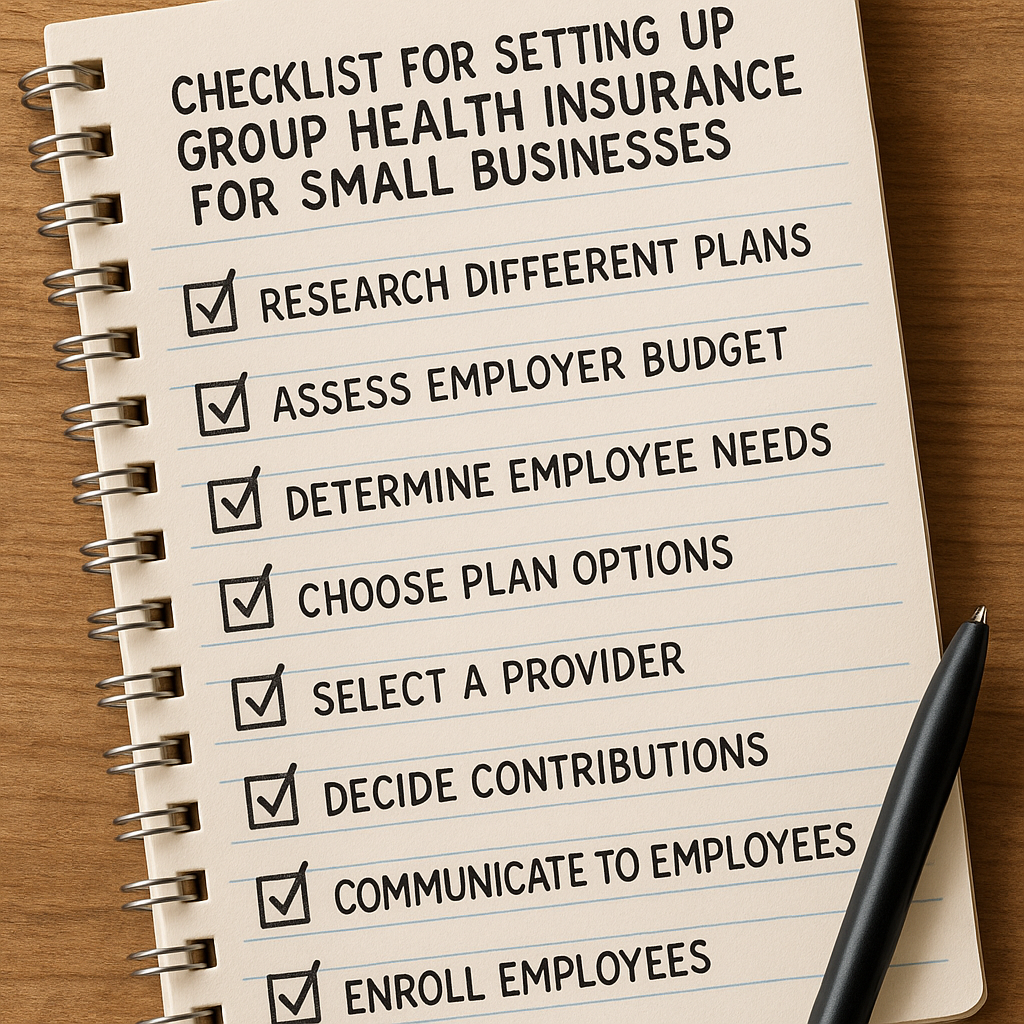
Here’s a quick three‑point checklist to get you moving:
- Identify a trusted partner—whether it’s a co‑op, EOR, or PEO—that specializes in contractor benefits.
- Gather your team’s (or your own) health‑care usage data to benchmark savings.
- Request a side‑by‑side quote and ask about tax‑advantaged options like Section 125 plans.
In our experience at Life Care Benefit Services, contractors who bundle their health coverage with supplemental options—like disability insurance—see an overall risk reduction that translates into lower premiums over time. For a deeper dive, check out our Group Health Insurance for Contractors: A Practical Guide to Coverage and Savings, which walks you through each model, eligibility quirks, and real‑world cost comparisons.
So, does group health insurance feel out of reach? Not when you break it down into these manageable steps. Grab your data, reach out to a reputable partner, and you could be saving money while gaining peace of mind—starting today.
TL;DR
Group health insurance for contractors lets solo freelancers and small teams pool their risk, unlocking rates that rival midsize employers while delivering comparable coverage and tax‑advantaged options.
By mapping your current spend, comparing quotes, and partnering with a trusted co‑op, EOR, or PEO, you can shave ten percent off premiums and gain peace of mind today.
Step 1: Assess Your Coverage Needs
Okay, you’ve gathered the buzz about group health insurance for contractors, and now you’re wondering where to start. The first thing we all do is stare at the numbers on our last medical bills and think, “Do I really need to know all this?” Spoiler: yes, because those figures are the compass that points you toward the right plan.
Grab the last three months of statements—whether they’re from an ACA marketplace plan, a single‑payer PPO, or a modest health savings account (HSA). Pull out the total premiums you paid, the out‑of‑pocket you covered, and any surprise charges that sneaked in. Write those numbers down in a simple table. It doesn’t have to be fancy; a spreadsheet or even a notebook works.
Now, ask yourself: what did you actually use? Did you visit the dentist twice? Did you have a prescription refill? Did you need an urgent‑care visit? If you’re a freelance coder who spends most of the day at a desk, you might see low utilization but high premium costs. If you’re a contractor who’s often on the road, you might have higher emergency‑room bills.
Next, convert those raw figures into a “cost‑per‑service” metric. Divide your total out‑of‑pocket by the number of doctor visits, for example. This helps you compare apples‑to‑apples when you look at group quotes later. It’s a little math, but it pays off when you see a group plan shaving off 12% of what you were paying on your own.
So, what should you do with this data? Bring it to the conversation with any co‑op, EOR, or PEO you’re considering. When they hand you a quote, they’ll usually break down the premium, deductible, and out‑of‑pocket maximum. Plug your numbers into that breakdown and see if the group option truly offers a better value.
Here’s a quick checklist to keep the process tidy:
- List total monthly premium for your current plan.
- Sum out‑of‑pocket expenses (deductibles, copays, meds).
- Count the number of covered services you used.
- Calculate average cost per service.
- Compare that average to the same metric in a group‑style quote.
When you line those up, look for two things: a lower overall cost and comparable—or better—coverage levels (like network breadth or prescription tiers). If a group plan meets both, you’ve got a winner.
That video walks through a sample spreadsheet, so you can see exactly how the numbers line up. Pause it, fill in your own figures, and you’ll have a concrete comparison in minutes.
Don’t forget to factor in tax‑advantaged options. Many group plans let you set up a Section 125 cafeteria plan, which lets you pay premiums with pre‑tax dollars. That can trim your effective cost by another 5‑7%, depending on your tax bracket.
And one more thing—look beyond the headline premium. Check the network: does the plan include the hospitals and specialists you trust? Does it cover telehealth, which can be a lifesaver when you’re juggling client calls? A lower price isn’t worth it if you end up paying extra for out‑of‑network care.
Take a breath. You’ve just turned a confusing pile of bills into a clear, actionable picture. That’s the power of assessment: it turns guesswork into data‑driven confidence.

Step 2: Compare Group Health Plans Available to Contractors
Okay, you’ve got a few quotes on your desk. Now the real work begins—pitting them against each other so you can see which one actually wins.
Gather the raw numbers
Ask each co‑op, EOR, or PEO for a side‑by‑side sheet that shows premium, deductible, copay, and out‑of‑pocket max. Don’t settle for a single “monthly cost” figure; the devil lives in the details.
Tip: request the same format from every provider. A spreadsheet with identical columns makes the comparison painless and keeps you from mixing apples with oranges.
Break down total cost of ownership
Take the numbers you just collected and add them to the figures you tallied in Step 1. That means premium + deductible + average expected copays based on your usage patterns. If you’re a freelancer who hits the dentist twice a year and fills a prescription monthly, factor those predictable expenses in.
Remember, a lower premium can hide a sky‑high deductible. In many cases the plan that looks cheapest at first glance ends up costing more once you hit the deductible.
Check the network for your go‑to providers
Pull up the provider directory for each plan and search for the doctors, specialists, and pharmacies you already trust. If your chiropractor or your preferred urgent‑care clinic isn’t in‑network, you could be paying 40‑50 % more out of pocket.
Don’t forget telehealth. A plan that offers unlimited virtual visits can save you time and money, especially when you’re juggling multiple client calls.
Factor in tax‑advantaged options
Many group plans let you set up a Section 125 cafeteria plan. That means you can pay premiums with pre‑tax dollars, shaving a few hundred dollars off your yearly tax bill. If you’re comfortable with a high‑deductible health plan, pairing it with a Health Savings Account (HSA) can give you triple tax benefits—pre‑tax contributions, tax‑free growth, and tax‑free withdrawals for qualified expenses.
For a quick primer on HDHPs and HSAs, check out this guide for independent contractors. It breaks down how the combo can lower premiums while giving you a tax‑free savings bucket.
Look beyond the basics
Ask each provider about supplemental perks: vision, dental, wellness stipends, or even a small disability rider. These extras can tip the scales without changing the core premium.
A good rule of thumb is to assign a weight to each factor that matters most to you—price (40 %), network (30 %), tax savings (20 %), and add‑ons (10 %). Multiply each plan’s score by the weight, add them up, and you’ll have a clear, numeric ranking.
Run a sanity check with an external resource
If you’re still unsure which plan edges out the others, the Freelancers Union guide to health insurance offers a handy comparison checklist and a list of questions you can ask a broker to uncover hidden fees.
In our experience at Life Care Benefit Services, contractors who walked through this exact checklist typically landed on a plan that shaved at least 10 % off their total health spend while adding a dental rider they hadn’t realized they needed.
So, what’s the next move? Pull those side‑by‑side sheets into a spreadsheet, plug in your usage numbers, apply the weighting formula, and you’ll see a clear winner. Once you’ve identified the top plan, give the provider a quick call to confirm any lingering questions—especially around enrollment timing and how the Section 125 deduction will appear on your next paycheck.
That’s it. You’ve turned a pile of numbers into a decision you can feel good about. Now you can breathe easier knowing your health coverage won’t drain your budget, and you can get back to focusing on the projects that matter.
Step 3: Evaluate Costs and Benefits
Okay, you’ve got the side‑by‑side sheets in front of you. Now it’s time to stop staring at numbers and actually figure out what they mean for your wallet and your peace of mind.
Crunch the numbers you already have
First, pull the premium, deductible, and any expected copays from each quote. Then, add the average out‑of‑pocket amount you calculated back in Step 1. That gives you a “total cost of ownership” for the year. If one plan shows $2,200 total and another sits at $2,500, the difference is clear—unless there’s a hidden benefit that changes the equation.
Don’t forget to factor in any employer‑contributed amounts that might come with a co‑op or EOR. Some groups will cover a slice of the premium as a tax‑free benefit, which can swing the balance dramatically.
Does this feel overwhelming? It shouldn’t. A simple spreadsheet with columns for premium, deductible, expected copays, and tax‑free contributions does the heavy lifting in minutes.
Factor in tax savings
One of the biggest advantages of group health insurance for contractors is the ability to set up a Section 125 cafeteria plan. That means you pay your share of the premium with pre‑tax dollars, lowering your taxable income. In practice, a $200 monthly premium can shave about $600‑$800 off your federal tax bill each year, depending on your bracket.
And if you pair a high‑deductible health plan with a Health Savings Account (HSA), you get triple tax benefits—pre‑tax contributions, tax‑free growth, and tax‑free withdrawals for qualified expenses. The Remote blog points out that these tax breaks are often the missing piece that makes a “higher‑deductible” plan actually cheaper in the long run (independent contractor health‑insurance guide).
Look beyond the premium
Premiums are just the headline. Ask yourself:
- Is my primary doctor in‑network?
- Do I need regular specialist visits that might be out‑of‑network?
- Are telehealth visits unlimited, and will that save me time and money?
Sometimes a plan with a slightly higher premium offers a broader network that prevents surprise bills. Other times, a plan throws in vision or dental riders at no extra cost—something many contractors overlook until they need a crown or glasses.
JPMorgan Chase’s research shows that the health‑insurance burden for non‑employer firms has crept up to about 4 % of operating expenses in 2026 (small‑business health‑insurance burden). That means every percentage point you shave off matters more than ever.
Make the decision with confidence
Now that you have a total cost, tax savings, and a network checklist, line up the numbers side‑by‑side. Give each factor a weight that matches your priorities—maybe 40 % price, 30 % network, 20 % tax advantage, 10 % add‑ons. Multiply, add, and the highest‑scoring plan is your winner.
Before you sign, give the provider a quick call. Verify enrollment windows, confirm that the Section 125 deduction will appear on your next paycheck, and ask about any hidden fees that weren’t on the sheet. A brief conversation can uncover a $50‑monthly surcharge that would otherwise sneak into your budget.
In our experience at Life Care Benefit Services, contractors who run through this evaluation step usually end up with a plan that saves at least 10 % on total health spend and adds a dental rider they hadn’t realized they needed. It’s that extra confidence—knowing you’ve quantified the trade‑offs—that lets you breathe easier and focus on the projects that matter.
So, what’s next? Grab your spreadsheet, apply the weighting formula, and pick the plan that gives you the best blend of cost, coverage, and tax advantage. Then, lock it in before the enrollment deadline and start reaping the savings.
Step 4: Choose the Right Provider – Comparison Table
Alright, you’ve crunched the numbers, weighed the tax savings, and scoped the networks. Now it’s time for the moment that makes the decision feel concrete: a side‑by‑side table that lets you see, at a glance, which provider actually lines up with your priorities.
What belongs in the table?
We keep it simple. Five columns usually cover everything most contractors care about:
- Provider – the name of the co‑op, EOR, or PEO.
- Premium (Monthly) – what you’ll actually pay out of pocket each month.
- Network Coverage – how many of your go‑to doctors, specialists, and pharmacies are in‑network.
- Tax Advantage – whether a Section 125 cafeteria plan is available (and if the provider contributes anything).
- Added Benefits – vision, dental, wellness stipend, disability rider, etc.
That’s it. No jargon, no fluff. Just the data points that translate directly into dollars saved or headaches avoided.
Sample comparison table
| Provider | Premium (Monthly) | Network Coverage | Tax Advantage | Added Benefits |
|---|---|---|---|---|
| Co‑op Northwest | $210 | 85 % of regional providers | Section 125 available, 0% employer contribution | Dental rider ($12/mo), tele‑health unlimited |
| EOR Prime | $235 | 92 % of nationwide PPOs | Section 125 + $30 employer contribution | Vision + wellness stipend ($50/mo) |
| PEO Connect | $225 | 78 % of local specialists | No Section 125, but offers HSA assistance | Short‑term disability rider, gym membership discount |
Feel free to add a fourth row for any other quote you’ve gathered. The idea is to keep the table tight enough to compare quickly, but detailed enough that you won’t have to flip back to your notes.
How to fill it out fast
Grab a blank spreadsheet and copy the headings above. As you talk to each provider, ask for the exact numbers that fit each column. If a provider can’t give you a clear answer on tax advantage, put “N/A” – that’s a red flag.
Tip: ask for the “total cost of ownership” number they use when they bundle a dental rider or a wellness stipend. Sometimes a slightly higher premium makes sense if the added benefits would otherwise cost you $100 a month out of pocket.
Weighting your priorities
Remember the weighting formula you used in Step 3? Plug the values from this table into that same sheet. For example, if premium is 40 % of your decision, multiply each provider’s premium column by 0.40, then add the weighted scores for network, tax, and add‑ons.
Does the math feel messy? Not at all – a quick Excel formula like =SUM(B2*0.4, C2*0.3, D2*0.2, E2*0.1) does the heavy lifting. The provider with the highest total score is the one that truly matches your weighted goals.
Final sanity check
Before you hit “accept” on any quote, give the provider a quick call. Verify three things:
- Enrollment windows are still open.
- The Section 125 deduction will show up on your next paycheck.
- There are no hidden fees – ask specifically about administration or surcharge fees.
A brief conversation can surface a $50‑monthly surcharge that would otherwise sneak into your budget. It’s the little details that turn a good deal into a great one.
Once you’ve confirmed the numbers, lock in the plan before the deadline. Then, sit back, update your spreadsheet, and enjoy the peace of mind that comes from knowing you’ve made a data‑driven choice.
In our experience at Life Care Benefit Services, contractors who walk through this table‑driven process end up saving at least 10 % on total health spend while gaining supplemental perks they hadn’t realized they needed. That’s the power of a clear, visual comparison – it turns “maybe” into “definitely.”
Step 5: Enroll and Maximize Your Benefits
So you’ve narrowed it down to the plan that checks all the boxes. The next step feels like the finish line, but it’s also where a lot of contractors slip up. You’ve got the numbers, you’ve done the math, and now you just need to lock it in – and, if you’re lucky, squeeze a few extra perks out of the same enrollment.
Confirm the enrollment window
First thing’s first: make sure the open enrollment period hasn’t closed. Many co‑ops and EORs run a 30‑day window that lines up with the calendar year, but some operate on a rolling basis. A quick call or email that says, “Hey, is the enrollment still open for the plan we discussed?” can save you from a surprise “sorry, it’s too late” later.
And remember, the clock starts ticking the day you sign the paperwork, not the day the provider sends you the form. Set a calendar reminder for the deadline – I keep one on my phone and a sticky note on my laptop.
Submit the right paperwork
When you get the enrollment packet, don’t skim. Fill out every required field, double‑check your Social Security number, and verify your spouse or dependent information if you’re adding anyone. Missing a middle initial or an outdated address can cause a delay that pushes the effective date back a month.
Most providers let you upload the forms through a secure portal. If you’re still on paper, scan everything at 300 dpi and send a PDF – it’s faster than fax and gives you a copy you can reference later.

Activate your Section 125 deduction
One of the biggest value‑add for contractors is the pre‑tax Section 125 cafeteria plan. When your payroll system deducts the premium before taxes, you could be saving a few hundred dollars each year. To make it work, you’ll need to submit a signed election form to your payroll administrator – often the same people who handle your monthly invoices.
Ask them: “When will the deduction show up on my next paycheck?” If they’re unsure, request a written timeline. In our experience at Life Care Benefit Services, a clear schedule prevents the “I thought I was saving money, but my take‑home didn’t change” surprise.
Lock in supplemental perks
Many group plans bundle vision, dental, or even a modest disability rider at no extra cost. Before you hit “submit,” ask the provider: “What add‑ons are automatically included? Are there optional upgrades I should consider now rather than later?” Often the cheapest way to get a dental rider is to opt‑in during enrollment; waiting until the next year can mean a higher premium.If you’ve already identified a wellness stipend or tele‑health credit you want, make sure it’s listed on the enrollment form. A quick note like, “Please include the $25/month wellness stipend” can be the difference between a free perk and paying out‑of‑pocket later.
Track and review your coverage
Once you’re enrolled, treat the first month like a trial run. Log in to the member portal, confirm your dependents are listed correctly, and verify the Section 125 deduction appears on your pay stub. If anything looks off, call the benefits admin within the first 30 days – most providers will correct errors without penalty.
Set a reminder for the annual open‑enrollment period (or any mid‑year qualifying event like marriage or a new child). At that point, you can run the comparison table again, see if a new plan offers better network coverage or a bigger HSA contribution, and re‑enroll if it makes sense.
Bottom line: enrollment isn’t just signing a line; it’s the moment you turn a spreadsheet exercise into real, tax‑saved dollars and extra health perks. Follow these steps, double‑check the details, and you’ll walk away with a plan that does more than meet the minimum – it actually improves your financial health.
Conclusion
We’ve walked through the whole process of turning a confusing maze of options into a clear, money‑saving plan for your freelance business.
By mapping your current spend, comparing side‑by‑side quotes, and locking in a Section 125 cafeteria plan, you can turn a spreadsheet exercise into real tax‑saved dollars and extra perks.
So, does group health insurance for contractors still feel like a headache? Not when you have a checklist, a weighted scoring sheet, and a trusted partner to verify the details.
Here’s a quick three‑step wrap‑up: (1) run one final audit of your enrollment packet before the deadline, (2) confirm the pre‑tax deduction appears on your next paycheck, and (3) set a calendar reminder for next open enrollment so you can repeat the savings cycle.
In our experience at Life Care Benefit Services, contractors who follow these steps walk away with at least a 10 % reduction in total health costs and the peace of mind to focus on their next project.
Ready to make the switch? Grab your notes, give your chosen co‑op or EOR a quick call, and lock in the plan that actually improves your financial health.
Remember, the savings you capture today compound over years, turning each premium dollar into a longer‑term safety net for you and your family.
FAQ
What is group health insurance for contractors and how is it different from buying an individual plan?
Group health insurance for contractors is a pool‑based policy that lets solo freelancers or small crews join a shared risk pool – usually through a co‑op, EOR, or PEO. Because the insurer is covering a group rather than a single person, the premium per head tends to be lower and the network broader. An individual ACA plan, on the other hand, is priced just for you, so you often pay more for the same coverage limits.
Can I still claim tax savings if I join a group plan?
Absolutely. Most group arrangements let you set up a Section 125 cafeteria plan, which means your premium is deducted from your paycheck before taxes are calculated. That can shave a few hundred dollars off your 2026 tax bill, depending on your bracket. Pairing a high‑deductible health plan with an HSA adds another layer of tax‑free growth, turning what you’d normally spend on premiums into a savings bucket.
Do I need to be part of a formal business entity to qualify?
Not necessarily. Many contractors enroll as a “group of one” through a co‑op that aggregates independent workers across the country. You’ll still need to provide basic business info – like your EIN or a simple DBA – but you don’t have to incorporate or form an LLC. In our experience at Life Care Benefit Services, we’ve helped freelancers who operate under their personal name get into a group plan with just a few documents.
What should I look for in the provider’s network?
Start by pulling up the provider directory and searching for the doctors, specialists, and pharmacies you already trust. If your go‑to urgent‑care clinic isn’t in‑network, you could end up paying 40‑50 % more out of pocket. Also check telehealth availability – unlimited virtual visits can save you both time and money when you’re juggling client calls. A solid network is the backbone of any plan, so spend a little extra time verifying it.
How often can I switch plans if my needs change?
Typically you’re locked into the selected plan for the open‑enrollment window, which runs once a year for most co‑ops and EORs. However, qualifying life events – marriage, a new child, or a move to a different state – usually trigger a special enrollment period. Keep an eye on those dates, and make a note in your calendar. A quick call to your benefits admin can confirm whether you qualify for a mid‑year change.
What extra perks might be bundled with a group plan?
Many providers toss in dental, vision, or a wellness stipend at no additional cost. Some also offer short‑term disability riders or gym‑membership discounts. These add‑ons can turn a plan that looks “just average” on paper into a real value‑add when you factor in the out‑of‑pocket savings. Always ask the broker to list every supplemental benefit before you sign – it’s easier to compare now than to discover a missing piece later.