

Ever stared at your mortgage statement and thought, “What if something happened to me tomorrow?” That uneasy feeling is real, and it’s why many families start looking at term life insurance with living benefits.
In our experience at Life Care Benefit Services, we’ve seen parents, teachers, and small‑business owners all wonder the same thing: how can a policy protect my loved ones while also giving me a safety net if I get seriously ill? The answer lies in the best term life insurance with living benefits, a blend of pure protection and a flexible health‑care cushion.
Think about it this way: you buy a ten‑year term to cover your mortgage, but the policy also includes a chronic‑illness rider that pays a lump sum if you’re diagnosed with a condition like cancer or heart disease. Suddenly, the same premium that shields your family also funds treatments, rehab, or even a short‑term break from work.
But here’s the kicker – not every term policy offers that rider, and the ones that do can vary wildly in cost and coverage limits. That’s why we always start by mapping your financial picture: Do you have kids in college? Are you juggling a small‑business loan? Are you nearing retirement and worried about health expenses? Those answers shape which carrier and which rider level makes sense for you.
You might be thinking, “Isn’t a whole‑life policy better?” Not necessarily. Whole life builds cash value, but it’s pricey and the living‑benefit portion is often an afterthought. A well‑chosen term plan gives you a clean, affordable premium now, plus the peace of mind that a serious diagnosis won’t drain your savings.
So, what should you do next? Grab a quick quote, compare a few carriers, and ask specifically about the chronic‑illness or critical‑illness rider. A side‑by‑side look at the premium, the benefit amount, and the waiting period will reveal the best term life insurance with living benefits for your unique situation.
And remember, the best policy isn’t just the cheapest one – it’s the one that fits your life, your worries, and your future plans. Let’s dive in and explore the top options together.
TL;DR
The best term life insurance with living benefits gives you low‑cost protection and a cash payout if a serious illness strikes, shielding your mortgage, kids’ tuition, or business loan.
Compare carriers, review rider terms, and request a quick quote to find a plan that matches your budget and long‑term goals.
Why Living Benefits Make Term Life Insurance a Smart Choice
Imagine you’re scrolling through your mortgage statement and suddenly wonder, “What if I can’t work next year?” That gut feeling isn’t just anxiety—it’s the signal that a safety net is missing. That’s where living benefits turn a plain‑old term policy into a financial Swiss Army knife.
First off, a traditional term policy is a pure‑death benefit: you pay a low premium, and if you pass away during the term, your beneficiaries get the payout. Simple, right? But what if a serious illness strikes halfway through that term? Without a rider, you’re left paying medical bills out of pocket, and the term’s protection suddenly feels irrelevant.
Living benefits add a cash‑out option when you need it most
Think of a chronic‑illness or critical‑illness rider as a “cash‑on‑demand” feature. Get diagnosed with something like cancer or a heart condition, and the rider pays a lump sum—usually a percentage of the face amount. That money can cover treatment, rehab, or even replace lost wages while you focus on recovery instead of worrying about bills.
In our experience, families with young kids love this because it protects two things at once: the family’s long‑term security and the immediate cash flow when a health crisis hits.
Why it’s especially smart for term policies
Term life is already budget‑friendly. Adding a living‑benefit rider usually costs just a few extra dollars per month—far less than the premium jump you’d see with a whole‑life policy that tries to bundle cash value and health coverage together.
And here’s a reality check: whole‑life’s cash value builds slowly, and you often can’t tap it without penalties. With a term rider, you get a lump sum exactly when you need it, no waiting, no surrender charges.
So, if you’re juggling a mortgage, kids’ tuition, or a small‑business loan, the rider can act like a financial bridge, keeping you from dipping into emergency savings or retirement accounts.
Real‑world scenarios that make the benefit click
Picture a teacher who’s just been diagnosed with a chronic condition. She’s the primary earner, and her school’s sick‑leave policy only covers a few weeks. The rider’s payout covers her physical therapy and gives her the flexibility to take a part‑time schedule while still paying the mortgage.
Or think about a small‑business owner who’s the linchpin of a five‑person operation. A sudden health setback could mean lost revenue, but the rider’s cash infusion lets the business pay staff and keep the lights on while the owner recovers.
Even retirees benefit. If a senior faces a serious diagnosis, the living‑benefit payout can help cover out‑of‑pocket Medicare costs or fund a home‑care arrangement without eroding the nest egg.
Watching a short explainer video can demystify how the rider works in practice—seeing the numbers broken down makes it less abstract and more actionable.
Now, let’s talk about choosing the right rider level. Most carriers let you pick a benefit amount that’s 25‑50% of the base policy’s death benefit. A good rule of thumb? Aim for a payout that could cover three to six months of your regular expenses, plus a buffer for medical costs.
When you sit down with an agent, ask about the waiting period (often 90 days) and any exclusions. Some policies won’t pay out for pre‑existing conditions, so a clear health history is essential.
Finally, remember that living benefits don’t replace a solid savings plan—they complement it. Use the rider as a safety net, and keep building an emergency fund for anything the rider can’t cover.

Bottom line: the best term life insurance with living benefits gives you the low‑cost protection you need for the future, plus a built‑in cash cushion for today’s unexpected health challenges. It’s a smart, flexible choice that aligns with the real‑life worries families, teachers, small‑business owners, and retirees face every day.
Top 5 Term Life Insurance Policies with Living Benefits in 2025
Okay, you’ve already felt the relief of a term policy that covers your mortgage. Now imagine that same policy also hands you cash when a serious illness shows up. That’s the sweet spot we’re after.
Below are the five carriers we see delivering the best blend of affordable term rates and solid living‑benefit riders this year. We’ve pulled the numbers from the market and added a few real‑world nuggets we’ve picked up at Life Care Benefit Services.
1. Ladder – Flexible, No‑Exam Term with Rider Options
Ladder’s digital‑first platform lets you lock in a 10‑, 15‑, 20‑ or 30‑year term without a medical exam (if you qualify). Premiums start around $5 a month for a modest $100,000 face amount, and you can bump the coverage up to $8 million later on.
The kicker? While Ladder doesn’t bundle a chronic‑illness rider by default, you can add an accelerated death benefit rider that pays up to 75% of the death benefit if you’re diagnosed with a terminal condition. It’s a clean, low‑cost way to get a safety net without inflating your monthly bill.
CNBC’s review of affordable term options highlights Ladder’s ease of use and the ability to adjust coverage for free – a feature that pairs nicely with a living‑benefit rider.
2. Amica – Level Term with Free Terminal‑Illness Rider
Amica offers a classic level‑term product (10‑, 15‑, 20‑ or 30‑year) that includes a terminal‑illness rider at no extra charge. That means if you’re diagnosed with a life‑threatening condition, you can access up to 100% of the death benefit early.
The company’s strong customer‑service reputation (J.D. Power scores) makes it a solid pick for families who want a human touch when filing a claim. Premiums are a shade higher than Ladder, but the built‑in rider can save you a separate policy purchase.
3. Symetra SwiftTerm – Accelerated Benefit Built In
Symetra’s SwiftTerm is designed for speed: you can be underwritten in as little as 18 minutes, and coverage goes up to $5 million. The policy automatically includes an accelerated death benefit rider that can release up to 75% of the face amount for a chronic or terminal illness.
What we love is the flexibility to add a chronic‑illness rider on top of the built‑in feature, giving you a higher payout ceiling if you need it. The waiting period is typically 30 days, so you’ll want a short‑term disability policy to bridge that gap.
4. Pacific Life – Robust Rider Suite with Conversion Option
Pacific Life’s term policies are a bit more traditional, but they shine because you can tack on a variety of riders: accelerated death benefit, waiver of premium, child rider, and even a long‑term‑care rider for an extra fee.
Plus, after the term ends you can convert to a permanent policy without a new medical exam – handy if you outlive the term and still want coverage. Premiums sit in the mid‑range, but the rider menu is one of the most comprehensive out there.
5. Guardian – Dividend‑Paying Term with Accelerated Benefit
Guardian may be best known for its whole‑life dividends, but its term product also includes an accelerated death benefit rider that can be triggered by a chronic or terminal diagnosis. Coverage limits reach $5 million, and you can convert to a permanent policy within the first five years at no extra cost.
The company’s long‑standing financial strength (A+ from AM Best) gives you confidence that the rider will pay when you need it. It’s a solid pick for small‑business owners who like the idea of a future upgrade path.
So, which one feels like the right fit for you? If you’re a tech‑savvy family looking for a low‑cost entry point, Ladder’s flexibility wins. If you prefer a carrier with a built‑in terminal‑illness rider and top‑notch service, Amica is a safe bet. For rapid underwriting and high coverage caps, Symetra’s SwiftTerm stands out. Pacific Life is the go‑to for a rider‑rich toolbox, while Guardian offers dividend‑backed stability and conversion potential.
And here’s a quick way to compare them side‑by‑side: list the term length you need, the rider amount you’d feel comfortable with, and the maximum waiting period you can tolerate. Then match those numbers to the carrier that ticks the most boxes without blowing your budget.
Watch the short video above for a visual rundown of how accelerated benefits work and why they matter when a diagnosis lands on your doorstep.
One last tip: If you’re a veteran, don’t overlook the Veterans Group Life Insurance (VGLI) program. While it’s not a term product with a traditional rider, VGLI lets you keep your SGLI coverage after service and can be a cost‑effective supplement to a civilian term policy.Veterans Group Life Insurance (VGLI) offers up to $500,000 in term coverage that you can increase over time.
Take the next step today: pull your mortgage balance, jot down your desired rider amount, and request a quote from a few of the carriers above. You’ll be surprised how quickly the numbers line up, and you’ll finally have that two‑way protection you’ve been craving.
Comparing Features: Term Life vs. IUL with Living Benefits
When you start looking at the “best term life insurance with living benefits” you’ll quickly notice that IULs pop up as the permanent cousin that promises cash‑value growth. The key is to understand how the two play out in real‑life scenarios, not just in brochure speak.
First, term life is straightforward: you pay a fixed premium for a set number of years, you get a death benefit, and—if you add a chronic‑illness rider—you can tap that benefit early when a serious diagnosis hits. The rider usually has a 30‑ to 90‑day waiting period and a cap on the payout, but the premium stays low because there’s no cash‑value engine humming in the background.
Indexed Universal Life (IUL), on the other hand, layers a cash‑value account that earns interest linked to a market index (think S&P 500). You still have a death benefit, but you can also borrow or withdraw from the cash value. The upside is that you might see modest growth, and the policy can serve as a supplemental retirement fund. The downside? Higher premiums, caps on gains, and more moving parts to manage.
Feature‑by‑Feature Comparison
| Feature | Term Life + Living Benefits | Indexed Universal Life (IUL) |
|---|---|---|
| Premium Cost | Low and level for the term; rider adds ~10‑20% | Higher; flexible but can increase with cash‑value needs |
| Cash Value | None – pure protection | Exists; indexed interest (capped) plus a guaranteed minimum |
| Living‑Benefit Access | Accelerated death benefit rider pays a lump sum after waiting period | Cash value loans/withdrawals; can also include an accelerated rider |
| Flexibility | Can change rider amount or convert to permanent in some carriers | Adjustable death benefit, premium skips, and allocation between indexed/fixed accounts |
| Ideal For | Families who need affordable coverage for a mortgage, kids’ education, or a small‑business loan | High‑net‑worth individuals seeking tax‑advantaged cash growth and lifelong protection |
Notice how the cost curve diverges dramatically. A 35‑year‑old non‑smoker could lock in a 20‑year term with a $150,000 rider for under $30 a month. The same person buying a $150,000 IUL might pay $120‑$150 a month because part of that goes into the cash‑value pool.
Let’s walk through a concrete example. Meet Jake, a 42‑year‑old small‑business owner. He opts for a 20‑year term with a $200,000 chronic‑illness rider. When a heart condition forces him off work, the rider pays out $120,000 after a 60‑day waiting period. Jake uses the money to cover rehab and keep his business loan current. His premium never jumps.
Contrast that with Maya, a 55‑year‑old teacher who loves the idea of a “dual‑purpose” policy. She chooses a $250,000 IUL. Over ten years, the indexed portion credits 5% on a $15,000 cash value, adding $750. She can borrow $5,000 for a home‑improvement project, but each loan chips away at the death benefit. When Maya retires, the cash value is modest, and the premiums are still higher than a comparable term.
So, which one should you lean toward? Here’s a quick decision‑making cheat sheet:
- Budget First. If your monthly cash flow can comfortably handle a $30‑$50 premium, term life + rider is usually the sweet spot.
- Time Horizon. Need coverage for the next 10‑20 years (mortgage, kids’ tuition)? Term wins. Want protection for life and a possible retirement supplement? Consider IUL.
- Risk Tolerance. Comfortable with market‑linked growth caps? IUL may appeal. Prefer certainty? Stick with term.
- Rider Compatibility. Most carriers let you add a chronic‑illness rider to term policies at a modest cost. IULs often bundle an accelerated rider, but you still pay for the cash‑value engine.
In practice, many of our clients start with a solid term base and later layer an IUL if they accumulate enough cash to justify the higher premium. That way they lock in affordable protection now and keep the door open for a permanent solution down the road.
Need a place to see the exact numbers? Our Term Life Insurance with Living Benefits page walks you through premium calculators, rider options, and side‑by‑side quotes so you can see the dollar difference in real time.
Actionable next step: grab a sheet of paper, list your major financial obligations (mortgage, tuition, business debt), estimate the shortfall you’d face if you couldn’t work for six months, and match that amount to a rider size. Then compare the total monthly cost of term + rider versus an IUL with a similar death benefit. If the term option is under 15% of your monthly take‑home pay, you’re probably on the right track.
Remember, the “best term life insurance with living benefits” isn’t about chasing the flashiest cash‑value feature; it’s about aligning cost, coverage period, and the speed at which you can access funds when a health crisis hits. Use the table, the examples, and the checklist above to make a choice that feels both affordable and future‑proof.
How Small Business Owners Can Leverage Term Life with Living Benefits for Employee Protection
Ever catch yourself worrying that a sudden illness could knock a key employee out of the game and leave your cash flow hanging? You’re not alone—small‑business owners feel that pressure daily, especially when payroll, rent, and client deadlines all depend on a handful of people.
That’s where the best term life insurance with living benefits steps in. It’s not just a death‑only safety net; it’s a two‑way street that can pay out a lump sum while your employee is still alive, helping cover medical bills, rehab costs, or even a temporary loss of income.
Why term life often outshines traditional group health for small teams
Group health plans are great for routine care, but they rarely include an accelerated benefit that turns the policy into a cash‑flow bridge during a serious diagnosis. A term policy with a chronic‑illness rider does exactly that, and the premium stays low because there’s no cash‑value engine pulling up the price.
In our experience, owners who add a rider of $50,000‑$150,000 see the premium bump by only 10‑15 %. That’s a small price to pay for the peace of mind that, if an employee can’t work for three months, the rider can fund a short‑term disability supplement or cover critical treatment.
Building a rider strategy that matches your payroll
Start by mapping out your biggest employee‑related expenses: salaries, contractor fees, and any loan payments that would default without that cash flow. Then ask yourself: how much would it cost to keep the business afloat for 60‑90 days if a key person is out?
- Take the total monthly payroll and multiply by three—that’s a baseline.
- Subtract any emergency reserve you already have.
- The difference is the rider amount you should target.
Most carriers let you pick rider sizes in $25,000 increments, so you can fine‑tune the coverage without overpaying.
Real‑world snapshot: a boutique design studio
Maria runs a six‑person design shop. When her lead developer was diagnosed with a chronic back condition, the studio faced a potential $18,000 gap in payroll. Maria had added a $75,000 chronic‑illness rider to each employee’s term policy. After the 30‑day waiting period, the rider paid out $22,000, enough to bring in a temporary freelancer and keep client projects on schedule. The premium increase was just $12 a month per employee—money the studio could easily absorb.
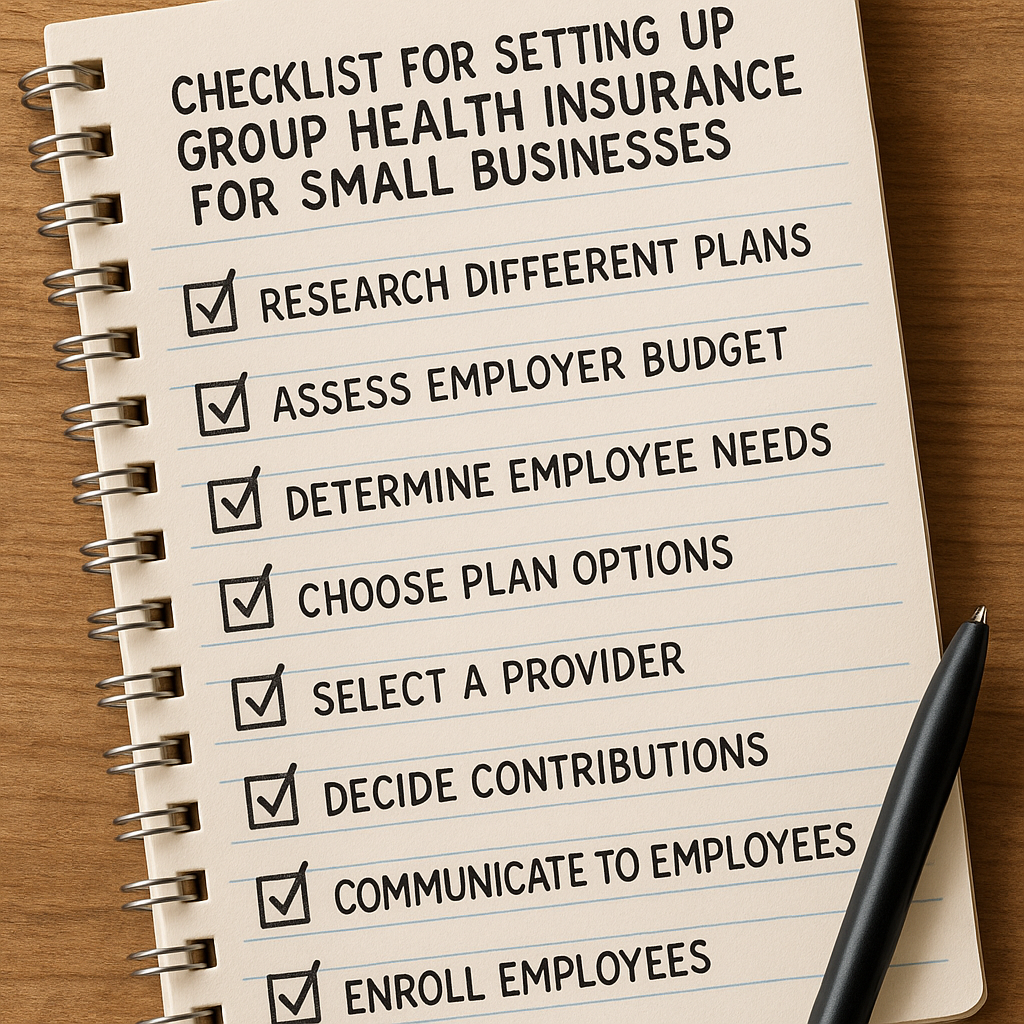
Action checklist for owners
- Identify critical roles. List any position where a sudden absence would jeopardize revenue.
- Calculate a cash‑flow buffer. Multiply monthly payroll by 2‑3 months, then subtract existing reserves.
- Choose a rider size. Match the buffer amount to a rider amount that fits your budget.
- Check waiting periods. Most riders have a 30‑ to 90‑day elimination period; pair with a short‑term disability policy if needed.
- Review exclusions. Make sure pre‑existing conditions or certain illnesses aren’t automatically barred.
- Ask about conversion options. Some term policies let you convert to permanent coverage without a new medical exam—useful if you keep the same staff long‑term.
Even if you’re not ready to lock in a rider today, a quick call with an independent agency can give you a side‑by‑side quote and show you exactly how the numbers play out.
For a broader look at how life insurance can serve both protection and cash‑flow needs, the Texas Department of Insurance explains the basics of accelerated benefits and policy ownership here.

Bottom line: the best term life insurance with living benefits can become a low‑cost employee protection program that safeguards your payroll, your projects, and ultimately, your peace of mind. Take a few minutes this week to run the numbers—your business’s resilience may depend on it.
Step-by-Step Guide: Getting a Quote for Term Life with Living Benefits
Ever wonder how a 5‑minute phone call can become the safety net you need for a mortgage, a child’s tuition, or a sudden health crisis? The truth is, getting a quote isn’t just about price – it’s about building a picture of protection that matches your real‑life worries.
So, let’s walk through a practical, down‑to‑earth process that takes the mystery out of term life with living benefits. Grab a pen, a cup of coffee, and let’s make this feel like a quick chat rather than a sales pitch.
Step 1: Map Your Money‑Moves
Before you even look at carriers, write down the biggest financial obligations you’d struggle to cover if you couldn’t work for a few months. Think mortgage balance, tuition bills, business loan payments, or even a gap in your emergency fund.
- Mortgage: current balance + 6‑month payment total
- Kids’ education: upcoming semester costs
- Business cash‑flow: payroll for 2‑3 months
- Emergency reserve: what you have left after these numbers
The difference between the total and your reserve is the “coverage gap” you’ll aim to fill with a rider.
Step 2: Choose the Right Term Length
Match the term to the lifespan of the debt you just listed. A 20‑year term often aligns with a 30‑year mortgage if you’ve already paid a decade, while a 10‑year term might suit a short‑term business loan.
Remember, the longer the term, the higher the premium – but you also lock in a low rate now, avoiding the steep hikes that happen after the term ends.
Step 3: Decide on Rider Amount
Take the coverage gap you calculated and pick a rider size that comfortably exceeds it. Most carriers let you choose in $25,000 increments up to $500,000. If your gap is $120,000, a $150,000 chronic‑illness rider gives you a cushion and a bit of breathing room.
Tip: Adding a rider typically bumps the premium by 10‑20 %. That’s a small trade‑off for the peace of mind of having cash when you need it most.
Step 4: Gather Your Health Snapshot
Most term quotes require a quick health questionnaire. Be ready with:
- Recent blood pressure and cholesterol numbers
- Any diagnosed conditions (even minor ones)
- Current medications
- Family health history (heart disease, cancer, etc.)
If you’re in “generally healthy” territory, you’ll likely qualify for the lowest rate tier. If you have a chronic condition, don’t panic – many carriers still offer riders; you just might see a modest premium increase.
Step 5: Use an Independent Quote Tool
Instead of calling each carrier individually, use an independent quoting platform. These tools pull side‑by‑side numbers from multiple carriers, letting you compare base term costs, rider add‑ons, and waiting‑period options in one view. The result is a clear spreadsheet of what you’ll pay today versus what you’d pay if you waited six months.
For a solid baseline on what term life looks like, Protective’s overview explains the cost‑saving nature of term policies and how riders fit in here.
Step 6: Ask the Right Questions
When you get the quote, fire off these must‑ask questions:
- What is the elimination period for the chronic‑illness rider? (30, 60, or 90 days?)
- Are there any exclusions that could block a payout for pre‑existing conditions?
- Can the rider amount be increased later without a new medical exam?
- Is there a conversion option to permanent coverage if my needs change?
Getting clear answers now saves you headaches later, especially if you’re a small‑business owner who might want to expand coverage as the team grows.
Step 7: Review the Illustration
Ask for a written illustration that shows:
- Base term premium
- Rider premium add‑on
- Total monthly cost
- Projected payout after the waiting period
Look for any hidden fees – for example, a “policy‑service charge” that pops up after the first year. If something feels off, it’s okay to walk away and try another carrier.
Step 8: Lock It In (or Keep Shopping)
If the numbers sit under 15 % of your take‑home pay and the rider covers your gap, you’re likely in a good spot. Submit the application, provide the required medical info (often a simple phone interview), and you could have coverage in as little as 48 hours.
But if the premium feels high, use the side‑by‑side comparison to negotiate or switch carriers. Remember, you’re not locked into the first quote you see – the market is competitive, and a few tweaks can shave off $10‑$20 per month.
Step 9: Keep the Policy Alive
Set a calendar reminder to review the policy each year. As your mortgage shrinks or your kids graduate, you might be able to reduce the rider amount and lower the premium. Annual check‑ins also give you a chance to add a short‑term disability policy that bridges the waiting period, creating a seamless cash‑flow safety net.
In short, getting a quote isn’t a one‑off task – it’s the first step in a living‑benefit strategy that grows with you. Take five minutes today to pull those numbers, run a quote, and you’ll have a concrete plan instead of vague worry.
FAQ
Here are the most common questions we hear about the best term life insurance with living benefits and clear, actionable answers.
What exactly is a “living benefit” rider on term life insurance?
A living‑benefit rider lets you tap into a portion of your death benefit while you’re still alive if you’re diagnosed with a qualifying serious illness, such as cancer, heart disease, or a chronic condition. The payout is usually a lump sum that can cover medical bills, mortgage payments, or lost income during recovery. The rider has a waiting (elimination) period—often 30‑90 days—so you’ll want a short‑term disability policy to bridge that gap.
How does adding a rider affect my monthly premium?
In most cases the rider adds about 10‑20 % to the base term premium. For example, a $150,000 20‑year term that costs $30 per month might jump to $36‑$36 per month with a $75,000 chronic‑illness rider. The increase is relatively modest compared to the cash you could receive if a serious illness strikes, and the extra cost stays level for the life of the term.
Can I change the rider amount after I’m approved?
Many carriers allow you to increase the rider size later, but usually you’ll need to go through a new medical underwriting if the increase is significant. Small adjustments—like moving from a $50,000 to a $75,000 rider—are often permitted without another exam, especially if you’re still within the first few years of the policy. Check the conversion or amendment options before you sign.
What illnesses are covered and which are excluded?
Typical living‑benefit riders cover major chronic or terminal conditions: cancer, heart attack, stroke, kidney failure, and severe autoimmune disorders. Most policies exclude pre‑existing conditions, injuries from risky activities (like skydiving), or illnesses that are already listed in the policy’s exclusions table. Read the fine print and ask your agent for a plain‑English summary so you know exactly what will trigger a payout.
Do I need a medical exam to get a rider?
It depends on the carrier and your health profile. Some digital‑first insurers (think Ladder or similar) let healthy applicants add a rider without a full exam, just a quick health questionnaire. Traditional carriers may require a basic lab work‑up or a brief phone interview. In our experience, the extra paperwork is minimal, and the added protection is worth the small effort.
How does a living‑benefit rider compare to a short‑term disability policy?
A rider pays a lump‑sum once the qualifying condition is confirmed, which you can use for anything—from paying the mortgage to covering childcare. Short‑term disability, on the other hand, replaces a portion of your paycheck weekly or bi‑weekly during the waiting period. The smartest approach is to pair both: the disability policy keeps cash flowing day‑to‑day, while the rider provides a larger, one‑time boost for major expenses.
When should I review or adjust my policy?
Set a reminder to revisit your coverage each year, especially after major life events—like paying down a mortgage, a child leaving for college, or a change in employment. If your debt load shrinks, you might lower the rider amount and trim the premium. Conversely, if you take on a new loan or your family grows, consider bumping the rider up. Annual check‑ins keep the plan aligned with your evolving financial picture.
Conclusion
When you put it all together, the best term life insurance with living benefits is a low‑cost safety net that pays out when you need it most – whether that’s covering a mortgage payment, a child’s tuition, or a sudden medical bill.
We’ve seen that pairing the rider with a short‑term disability policy fills the waiting‑period gap, and that a quick annual check‑in keeps the coverage aligned with life changes like a new loan or a growing family.
Take Maria’s design studio, for example. She added a $75,000 chronic‑illness rider for each employee. When a key developer fell ill, the rider paid a lump sum that let her hire a freelancer and keep projects on track, all for an extra $12 a month per person.
Here’s a simple next step: pull your mortgage balance, list your biggest monthly obligations, and match that number to a rider size. Then call an independent agent – a 5‑minute conversation can produce a personalized quote that shows exactly how affordable the protection is.
In our experience, most families and small‑business owners find a term‑plus‑rider package that costs under 15 % of their take‑home pay. That’s a realistic budget for real peace of mind.
Ready to lock in that peace of mind? Schedule a quick consultation with Life Care Benefit Services, and we’ll help you tailor the best term life insurance with living benefits to fit your unique situation.