

You’re juggling a partnership, a payroll, a lease, and the unknowns that come with running a business with someone you trust. When one partner gets sick, or a key shareholder can’t work, the whole venture can falter. That’s where the right life insurance for business partners becomes a lifeline and a signal that you’ve planned for the future, not just the next quarter.
In our experience, you don’t want a one-size-fits-all policy. You want protection that keeps the buy-sell on track, preserves cash flow, and even provides living benefits you can tap if a health setback hits. A solid plan pairs life insurance with a buy-sell agreement, a solid debt strategy, and the flexibility to adjust as your business grows.
Think of it like a financial safety net that travels with your company. Indexed Universal Life (IUL) with living benefits can provide a death benefit while building cash value you can borrow against. Group plans with living benefits ensure partners and staff stay protected without breaking the bank. And mortgage- or overhead-protection riders can shield the business’s critical assets if a partner steps back temporarily.
Here are practical steps to get moving.
- Start with a quick buy-sell risk assessment that lists who would step in, how much it would cost, and what debts must be covered.
- Map a policy mix that fits your cash flow — an IUL with living benefits for owners, plus a group option for the team where sensible.
- Schedule a yearly policy review with your broker and your attorney to adjust coverage as equity, revenue, or ownership changes.
Imagine a design studio partnership where one partner faces a long illness. A funded buy-sell arrangement lets the other partner buy out the stake using the policy’s cash value, keeping projects on track and protecting employees’ salaries. It’s not a magic fix, but it turns what if into a plan you can live with. If you want a practical walkthrough, Best Life Insurance for Small Business Owners: Top Policies with Living Benefits and Retirement Options can help you see real options in one place.
Here’s a practical counterpart for continuity beyond policies: Comprehensive IT Support Guide for SMBs can be a helpful companion as you shore up continuity in both people and processes.
We know this stuff isn’t sexy, but it’s essential. If you’re a small business owner, partner with Life Care Benefit Services to tailor coverage that matches your specific risks and goals. We’ve helped countless teams protect revenue, preserve staff, and plan for longer-than-expected health events.
Ready to take the first step? Schedule a no-pressure consultation today and start turning protection into a plan you can rely on. Think about it: fewer what-ifs, clearer next steps, and real options for ownership transitions. Let’s map your plan today, together with us.
TL;DR
When a partner falls ill, a well‑structured life‑insurance plan lets the remaining owner buy out the stake, protect the studio’s cash flow, and keep staff paid.
By pairing indexed‑universal life with a living‑benefits rider, you gain a tax‑advantaged cash reserve that can cover sudden medical costs, bridge income gaps, and sustain your business’s future.
Step 1: Identify Your Business Partnership Structure and Insurance Needs
When two partners build a studio, a shop, or a practice together, life in the day-to-day can feel smooth—until the curveballs hit. Suddenly a partnership either stays nimble and protected, or it stumbles because the basics aren’t clear. Let’s start with the human truth: your structure isn’t just legalese. It shapes how you keep projects moving, how you pay for them, and how you buy out a partner if life changes course.
So, what’s the core emotional tug here? Security. Clarity. And the confidence that, no matter what happens, your team and clients stay served. In our experience at Life Care Benefit Services, small teams do best when they map ownership, risk, and a buy‑out path before the first policy is signed. That groundwork isn’t flashy, but it pays off when an illness or a sudden departure tests the plan.
Pin down ownership, governance, and buy‑sell triggers
Start with who owns what, who votes on changes, and what triggers a buy‑out. You’ll want to spell out whether ownership shifts on death, long illness, disability, or retirement, and decide how price is set for a future buy‑out. This isn’t about pessimism; it’s about reducing surprises for cash flow, client work, and staff payroll.
Think of it like a safety valve. If a partner steps back, the others can keep the studio humming instead of fighting over invoices and late decisions. A clear buy‑sell mechanism also makes it easier to negotiate terms with a lender, a landlord, or a key client who needs continuity.
Assess debt, obligations, and cash flow exposure
Map the debts you’d need to cover to keep the doors open—equipment leases, studio space, payroll, and vendor credits. Then ask how much protection is truly needed if a partner can’t work for six or twelve months. The aim isn’t just to cover budgets; it’s to preserve relationships, protect staff, and honor commitments to clients.
From there, align insurance to that reality. A mix of IUL with living benefits for owners and a group life option for the team often fits cash flow while delivering real protection. And if you’re a homeowner or landlord with a lease, mortgage‑protection riders can shield the asset side of the balance sheet as projects stay on track.
For a practical overview of how these pieces fit together, see our guide on best life insurance for small business owners: top policies with living benefits and retirement options. Best Life Insurance for Small Business Owners: Top Policies with Living Benefits and Retirement Options.
Who needs which coverage, and why it matters
Owners with a buy‑in or buy‑out clause should consider an Indexed Universal Life policy with living benefits, so cash value can help fund a transition without draining operating funds. Staff can benefit from a cost‑effective group life plan that provides protection without flattening the budget. And for the key asset—the partnership itself—mortgage or overhead riders can lock in the space you rely on to serve clients well.
Now, you’ve got a practical map. Next, we’ll translate that map into a plan you can actually implement this quarter. Think about scheduling a quick strategy call to align your ownership structure with insurance options that match your cash flow and risk tolerance.
Remember: this isn’t a one‑and‑done task. Revisit your structure and coverage at least once a year or as ownership, debt, or revenue changes. If you want help turning this into a concrete plan, Life Care Benefit Services is ready to assist with a tailored, affordable approach that fits your studio or shop.
Video next: a quick walkthrough of translating ownership maps into an insurance strategy.
Now, let’s anchor this visually with a simple, real‑world scene you can imagine in your own space.

So, what’s the next move? Gather the ownership facts, note the upcoming renewal dates, and pencil in a 60‑minute consult with a Life Care Benefit Services advisor to tailor the right mix of protections for your partnership. Let’s map the plan together.
Step 2: Explore Life Insurance Options with Living Benefits
Managing a partnership isn’t just about contracts and cash flow. It’s about planning for the what-ifs, especially health shocks that could derail the plan. In 2026, more studio owners are choosing life insurance with living benefits to keep projects on track and protect families.
Below are practical options you can discuss with your broker. Each one keeps liquidity, protects debt, and preserves ownership—so your business can survive a setback and keep serving clients.
1) Indexed Universal Life (IUL) with living benefits
IUL sits in the permanent-life category and builds cash value over time while providing a steady death benefit. Add living benefits and you can access part of that value for medical costs, disability, or business needs without triggering a tax bill in many cases.
Think of a small design studio that faces a slow quarter but needs a new printer or software. The policy’s cash value can be borrowed or withdrawn to cover the purchase, helping you avoid emergency loans or dipping into operating reserves. You’ll want to confirm the rider definitions and loan terms so you don’t unintentionally shrink the death benefit later. In our experience, many owners value the liquidity of the cash value to cover upgrades without draining operating funds.
Action steps: choose an IUL with a robust living-benefits rider, run a simple what-if scenario with one partner sidelined, and schedule an annual check‑in with your advisor to adjust as revenue shifts.
2) Term life with living benefits
Term life can include living-benefit riders, offering a lower upfront cost while you fund a buy‑sell or protect a partner’s family. The accelerated benefits let you access a portion of the death benefit for qualifying conditions like serious illness or disability.
Real‑world sense: if a partner faces a health crisis, the living-benefit portion can cover urgent bills, healthcare costs, or short‑term payroll gaps while the team reorganizes. Be mindful of rider definitions and conversion options when you renew. (Note: this is a general overview of living benefits on term policies.)
3) Group life insurance with living benefits for your team
Group life is a cost-effective, scalable protection option for small teams. When you add living benefits riders, you create a working-capital tool that can fund health costs or short-term payroll gaps without tapping reserves. This can be especially valuable for a studio with 4–12 team members who keep projects moving.
Example: a six‑person design studio uses a group plan to cover critical positions. When a senior designer falls ill, the living-benefit rider provides cash to cover coverage gaps while clients are reassigned, keeping projects on track and morale steady. For a quick look at cash value growth in permanent policies, Guardian offers a solid overview: cash value in life insurance.
4) Mortgage protection life insurance with living benefits
Mortgage protection focuses on the debt tied to your business property. With living benefits riders, the policy can cover mortgage payments or a portion of overhead costs if a partner becomes disabled or critically ill. This keeps rent, utilities, and essential contracts from pulling the plug on your operation.
Real‑world sense: imagine your storefront or studio space—rent is due every month. If a partner can’t work, the policy payoff can cover the lease while you reallocate work or bring in temporary help. Pairing mortgage protection with living benefits gives you a practical liquidity cushion, not just a death benefit.
5) Key‑person rider integrated into a corporate policy
A key‑person rider is designed for businesses where a single partner’s expertise drives revenue. If that person dies or becomes disabled, the rider pays out to fund the transition—hiring, training, and a smooth buy‑out—so projects don’t stall. It’s not a replacement for a full succession plan, but it buys time and liquidity.
Practical tip: weave the rider into your buy‑sell agreement and run annual tests to ensure coverage stays aligned with growth and ownership changes. If you want help crafting a plan that fits your cash flow, we can guide you through the options without pressuring you into a quick sale.
Ready to explore the right mix for your partnership? Schedule a no‑pressure consultation with Life Care Benefit Services to map the best combination of living-benefit options for your studio—and get clarity you can act on.
Step 3: Evaluate Indexed Universal Life (IUL) for Partner Protection
Picture this: a partner sits down with a doctor’s note, and suddenly the future of your studio feels shaky. You need a safety net that not only pays a death benefit but also keeps cash flowing when the unexpected happens.
That’s where Indexed Universal Life, or IUL, steps in. It’s a permanent policy that builds a tax‑deferred cash value tied to market indexes, while still protecting your business from a partner’s sudden exit.
So, what makes IUL a natural fit for partner protection? First, the cash value can grow faster than a traditional whole life policy because it rides on a market index, yet it’s shielded by a guaranteed minimum return so you’re never wiped out when the market dips.
Second, you can tap that cash through a loan or a living‑benefit rider when a partner is hospitalized or temporarily disabled. That loan is usually interest‑only, and the money stays out of your operating budget.
Third, the premium is flexible. You can increase or decrease it seasonally to match your studio’s revenue cycle, making the policy less of a hard hit on cash flow.
Wondering how to pick the right IUL? Start by looking at three key features: the cap on index participation, the floor that guarantees a minimum return, and the rider options that let you access the policy early.
Here’s a quick cheat‑sheet that puts it all into perspective:
| Feature | Why It Matters for Partner Protection | What to Look For |
|---|---|---|
| Cash‑Value Growth Linked to Index | Provides liquidity for buy‑sell buy‑outs without taking a bank loan. | Cap, participation rate, guaranteed floor. |
| Living‑Benefit Rider (critical or chronic illness) | Lets you use the death benefit while your partner is still alive. | Coverage amount, eligibility criteria. |
| Premium Flexibility | Adjust payments to match business cash flow cycles. | Minimum and maximum payment limits. |
For a deeper dive into how the cash value behaves in real markets, check out this detailed overview of IUL. Read the full report to see the questions you should ask before buying.
If you want an independent ranking of the best IUL carriers, this resource gives you the latest scores and what each company offers. Explore the top IUL providers and compare caps, fees, and customer experience.
What does Life Care Benefit Services bring to the table? We partner with over 50 top-rated carriers, so we can match you with an IUL that fits your partner‑protection strategy and keeps premiums manageable.
Ready to lock in a plan that keeps your studio afloat when a partner is sidelined? Schedule a no‑pressure consultation today and let us help you pick the right policy, riders, and payment schedule.
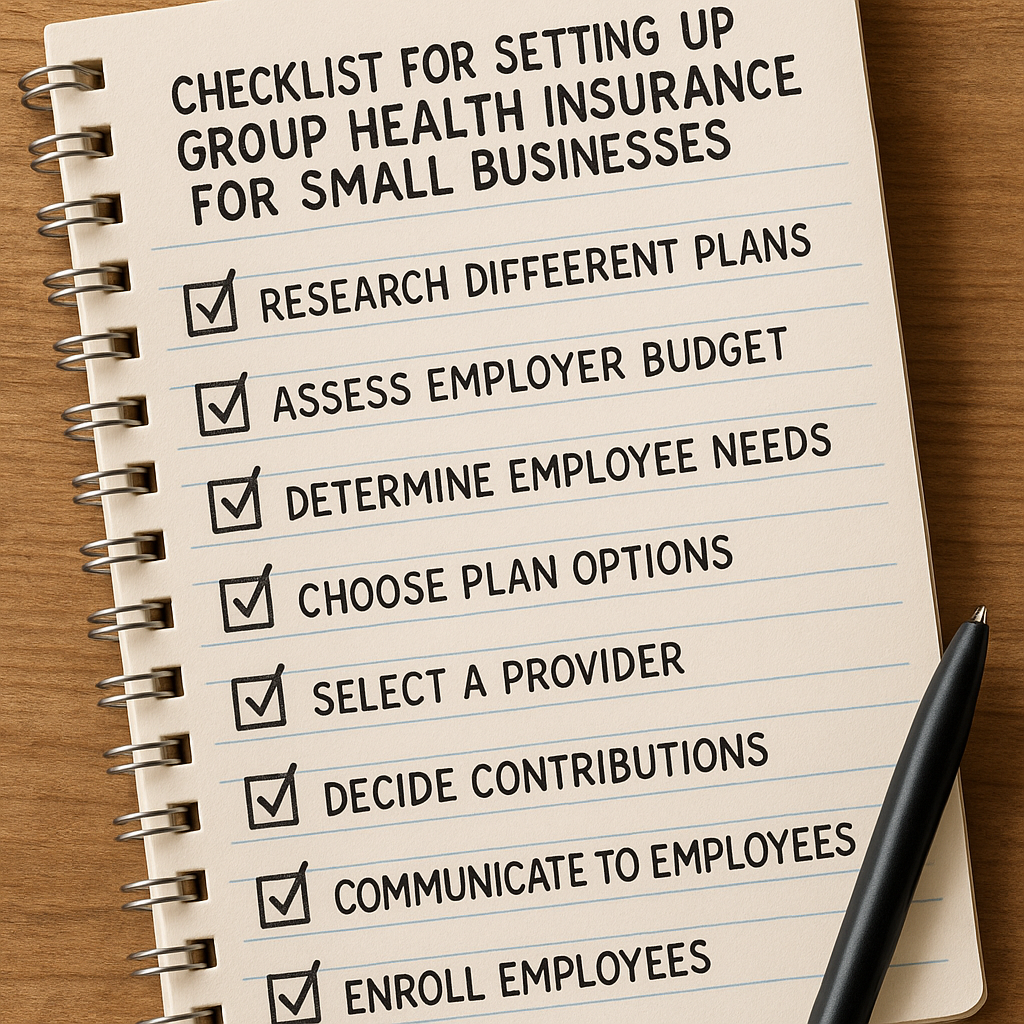
Step 4: Integrate Group Health Insurance and Mortgage Protection for Small Businesses
Let’s be honest: running a small business means juggling people, leases, and health costs.
In 2026, the smartest owners pair group health coverage with mortgage‑protection so downtime doesn’t derail you.
Group health plans provide stability, help you recruit and retain talent, and give employees predictable costs. With a mortgage rider and living benefits, your plan becomes a working capital tool instead of a sunk cost.
First, map your needs: how many employees, typical payroll, and current debt tied to your space.
Next, pick a group plan that fits your budget, then add a mortgage‑protection rider to cover the loan on the property.
Finally, slide in a living‑benefit rider on key policies so you can access cash if serious illness or disability hits.
Schedule annual reviews with your broker to recalibrate coverage as payroll grows or leases renew.
Real‑world scenario: a six‑person studio adds group life with living benefits and a mortgage rider; when one designer falls sick, cash from the rider covers payroll gaps while the team reassigns projects.
That’s not magic, but it’s momentum you can build on.

That’s not just theory. We’re independent and partner with 50+ carriers, so you’re not stuck with one-size-fits-all options.
Does this really work for your budget? Start with a simple quote, then layer in protections as you grow.
If you want a precise quote and a tailored strategy, schedule a consultation today to learn the next steps.
Practical tip: bundle a group health plan with a simple employer‑paid model so costs don’t jump if you hire a few more people.
Think about risk timing: you might fund the plan through a shared premium schedule and review it quarterly during busy seasons.
For families entering retirement planning, these tools create a stable bridge from business income to personal security.
Remember, you don’t have to go it alone. A broker who understands your industry can tailor a plan that covers payroll, leases, and health benefits.
Let’s map your numbers in a quick worksheet and take the first step this week.
Small business owners often overlook mortgage protection because they assume leases are safe. But a sudden disability or illness can hit cash flow hard.
If you want a precise quote and a tailored strategy, schedule a consultation today to map your next steps.
This approach helps protect your people, your lease, and your cash flow.
Schedule a consult today to map path.
The result is steadier cash flow, happier employees, and fewer what-ifs for owners.
The next step is simple: schedule a consultation to tailor protections to your studio’s rhythm.
Step 5: Build a Comprehensive Retirement and Succession Plan for Business Partners
Let’s be honest: you didn’t build a studio with a partner to watch the future get tangled in uncertainty. In 2026, the real test isn’t a flashy project; it’s what happens if a key partner can’t work or steps away. That’s where a retirement and succession plan becomes your most practical asset.
We’ve seen two studios crash because they skipped this step, and we’ve seen others keep projects moving because they planned for the moment. The goal is to protect people, lease obligations, and cash flow while preserving ownership harmony.
Why retirement planning for business partners matters
Without a clear plan, a partner’s disability or retirement can create a leadership gap, derail client work, and threaten the equity split. A well-documented plan gives you a predictable path to buyouts and succession, not a scramble when life throws a curveball. And yes, 2026 has made access to flexible funding easier than ever.
For small teams, misalignment can stall growth. A coordinated strategy keeps the business moving, preserves client relationships, and protects families who depend on the income. That’s not theoretical—it’s the difference between a pause and a smooth transition.
Core components of a rock-solid plan
First, a buy-sell agreement that defines who buys whom, when, and at what price. Then, funding strategies: life insurance with living benefits, key-person coverage, or a group-life solution that keeps liquidity inside the business. Finally, a governance plan—who reviews the numbers, when to revalue ownership, and how to handle debt and leases.
Attach a simple, realistic timeline for annual reviews with your attorney and broker. Add a communication plan so everyone knows what to expect if a trigger happens. This isn’t about doom; it’s about clear, practical options when the unexpected arrives.
A practical roadmap you can start this week
1) Map ownership, revenue, and debts for each partner. 2) Decide cross-purchase vs entity-purchase and note tax implications. 3) Set a target buyout price and list likely funding sources. 4) Choose insurance vehicles with living benefits and any riders that fit your risk profile. 5) Draft the buy-sell and funding sections with your attorney and broker. 6) Schedule annual reviews and adjust for ownership changes. 7) Rehearse a communication plan so transitions feel seamless to clients and staff.
Along the way, remember that you don’t have to go it alone. Platforms like Life Care Benefit Services can help you weave together coverage from multiple carriers and align it with your actual business rhythm.
Ready to turn plan into action? Schedule a no-pressure consultation to map your next steps, align protection with ownership, and keep your studio on a steady path through the years ahead.
Conclusion
So, after walking through the maze of policies, riders, and timelines, what’s the single thing you should keep in your pocket? A clear, written plan that ties every policy back to the buy‑sell agreement and the cash flow of your studio.
In practice, that means scheduling a quick annual review with your broker and attorney, just like the roadmap we sketched earlier. When the trigger hits—whether it’s a health scare or a sudden departure—you’ll already have the cash value, the loan terms, and the communication script in place. That smoothness can turn a scary “what if” into a manageable, business‑as‑usual situation.
Think about the last time a partner’s illness left you scrambling. If you had an indexed‑universal life policy with a living‑benefit rider, you could tap a portion of the cash value to keep projects moving while still preserving the death benefit. That’s the kind of flexibility only a tailored policy can offer.
Now, it’s your turn to lock in that safety net. Reach out for a no‑pressure consultation, bring your partnership documents, and let us walk you through the exact steps that fit your studio’s rhythm. The peace of mind that comes from knowing “I’ve got this” is worth far more than any premium.
FAQ
What’s the practical difference between a cross‑purchase and an entity‑purchase buy‑sell structure?
In a cross‑purchase, each partner buys the other’s shares, so you’re paying the other person directly. In an entity‑purchase, the company itself owns the policy and buys the shares. Cross‑purchase can feel more personal and may keep the partnership tighter, but it requires each partner to fund their own premiums. Entity‑purchase spreads the cost to the business and often lets you keep premiums in a tax‑advantaged account. Choose the one that matches your cash flow and comfort with sharing the risk.
How does an indexed‑universal life policy with a living‑benefit rider help if a partner gets sick?
When a partner is diagnosed with a qualifying condition, the living‑benefit rider lets you tap up to 75 % of the policy’s death benefit without a tax hit. That cash can cover medical bills, keep payroll running, or fund a temporary buy‑out. The policy still continues to grow, so when the partner recovers you can rebuild the cash cushion and keep the business on track without pulling from operating reserves.
Can I use the cash value of a life insurance policy to pay my studio’s lease if a partner suddenly leaves?
Yes, most IULs allow policy loans or withdrawals against the cash value. If a partner exits, you can borrow against the policy to cover the lease for a few months while you find a replacement or renegotiate terms. Because the loan interest is often low and the repayment can be scheduled with the business’s cash flow, it’s a flexible bridge that keeps the lights on without a bank loan.
What if I only have a term policy and a partner becomes disabled?
A term policy won’t give you a cash reserve. You’d need to rely on savings or an emergency fund, which might be insufficient for a sudden disability. If a term policy has a living‑benefit rider, you can still access a portion of the death benefit, but the coverage is limited to the term’s face amount. In that case, consider adding a permanent policy or a key‑person rider to protect your studio’s liquidity.
How often should I review my life‑insurance plan for business partners?
Schedule a review at least once a year, or immediately after any major change—new hires, a change in ownership stake, a significant project, or a shift in cash flow. An annual check‑in with your broker and attorney ensures premiums, riders, and policy loans stay aligned with the studio’s needs, preventing surprises when a trigger happens.
Are group life plans a good fit for a small studio with 3‑5 employees?
Group life is cost‑effective for small teams and usually comes with optional riders like critical illness or disability. It provides a basic death benefit for each employee and can be combined with a living‑benefit rider to cover short‑term payroll gaps. Because underwriting is simplified, it’s a practical tool for keeping staff protected while keeping premiums low.
How do I decide which carrier to choose when I need multiple riders?
Start by comparing the riders each carrier offers—living‑benefit, key‑person, mortgage protection, and business‑overhead options. Look at the cost surcharge, the cap on index participation, and the ease of accessing loans. Because Life Care Benefit Services partners with over 50 top‑rated carriers, you can shop side‑by‑side quotes and pick the one that delivers the best mix of price, flexibility, and service. A carrier that offers transparent policy illustrations and responsive customer support will make the ongoing management of your buy‑sell plan far smoother.
Next Steps: Request a Quote or Schedule a Consultation
Ready to move from theory to action?
We’ve walked through the maze of policies, riders, and timelines, so what’s the next move?
First, grab your partnership documents and set a calendar reminder for a quarterly review.
Then, reach out for a no‑pressure chat with one of our advisors.
We’ll walk through the numbers, line up the right riders, and lock in a payment schedule that fits your cash flow.
All you need is a quick call or an online form—no hard sell, just a friendly check‑in.
What if a partner gets sick? A prepared policy lets the other owner buy the stake with a clean cash value.
And if a sale is in the cards, you’ll have a ready‑made funding source that doesn’t drain your operating budget.
So, what should you do next? Reach out today, schedule your consultation, and let’s turn those what‑ifs into a plan you can rely on.
Give us a call at 555‑123‑4567 or hit the button below—your peace of mind is just a conversation away.
Remember, the earlier you lock in a strategy, the more time you have to adjust premiums as your studio grows. We’ll keep the numbers simple and the conversation light.
Reach out today.