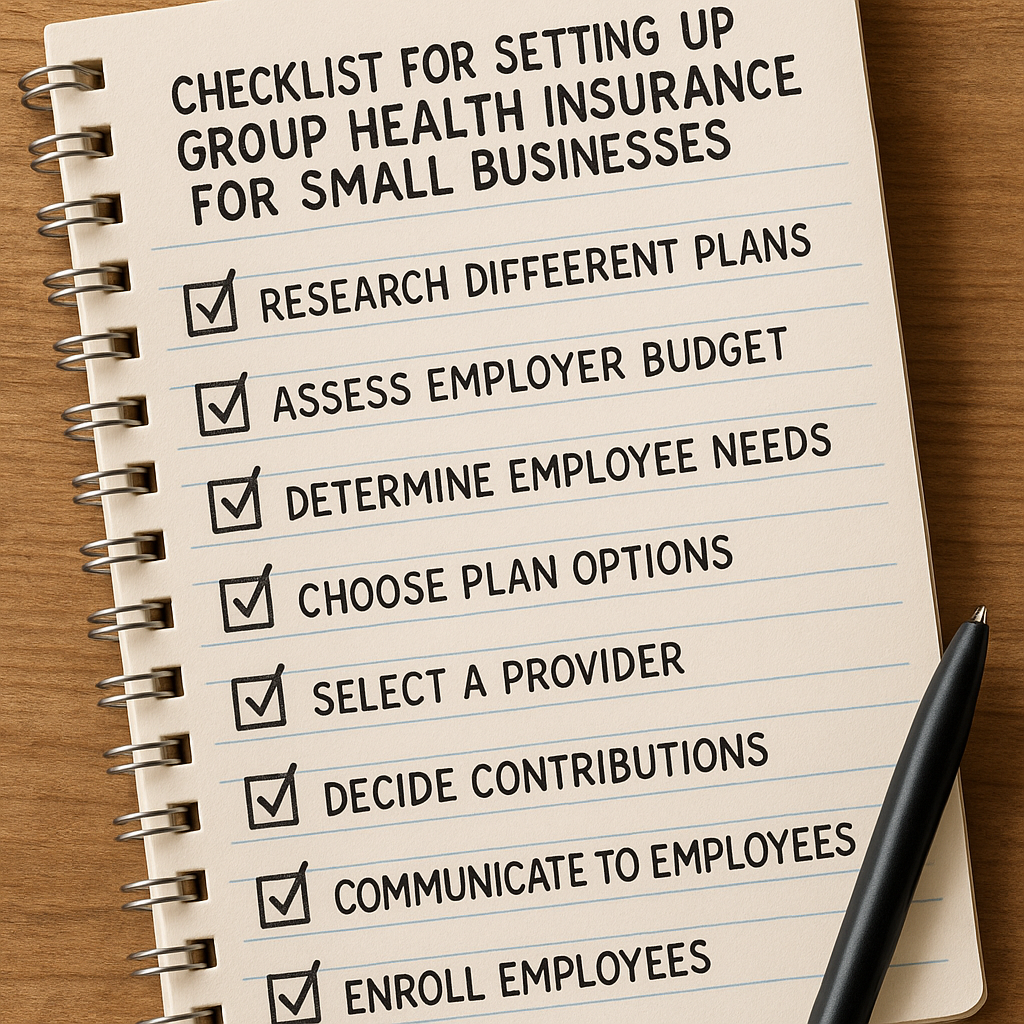


Ever felt like finding the best small business health insurance providers is like hunting for a needle in a haystack? You’re not alone. Small business owners often stare at endless carrier brochures, wonder if they’re overpaying, and worry about keeping top talent happy.
In our experience, the biggest mistake is chasing the flashiest name instead of the right fit for your team’s unique needs. Take a boutique design studio in Austin: they started with a national carrier that promised low premiums, but ended up with limited provider networks and high out‑of‑pocket costs for their creative staff. After switching to a more flexible regional carrier, they saved 12% on premiums and got a broader HMO/PPO mix that matched their employees’ preferences.
So, how do you avoid that trap? Here are three practical steps you can take right now:
- Map out your workforce demographics – age, health needs, and preferred doctors. This data lets you compare plans that actually serve your people.
- Ask for a side‑by‑side quote that breaks down premiums, employer contributions, and employee costs. A transparent quote helps you spot hidden fees.
- Check subsidy eligibility early. Many states offer tax credits that can shave thousands off your bill.
Once you’ve gathered that info, the next move is to explore carriers that specialize in small and mid‑size businesses. Group Health Insurance for Small & Mid‑Size Businesses offers a range of PPO and HMO options, high‑deductible plans with HSAs, and the kind of flexibility that lets you scale as you grow.
Think about it this way: a solid health plan isn’t just a cost, it’s an investment in retention. Companies that provide comprehensive coverage see turnover rates drop by up to 30%, according to industry surveys. That means fewer hiring cycles, less training expense, and a more stable company culture.
And if you’re still unsure which provider ticks all the boxes, start by requesting a no‑obligation quote from a trusted broker. It’s a quick call that can reveal savings you didn’t even know existed.
Bottom line: the best small business health insurance providers are the ones that align with your team’s real health needs, your budget, and your growth plans. Let’s dive deeper and see which carriers consistently deliver on those fronts.
TL;DR
Choosing the best small business health insurance providers boils down to matching affordable premiums, networks, and plan options to your team’s unique needs.
We’ve broken down the carriers, subsidy tips, and a quote checklist so you can cut hidden costs, boost employee retention, and protect your bottom line without guesswork.
Provider #1: HealthGuard Insurance
When you first glance at HealthGuard, the name alone feels reassuring – like a guard watching over your team’s wellbeing. In our experience, small business owners love that blend of solid reputation and flexibility.
Think about the last time you tried to explain a health plan to a new hire. Did you get lost in jargon? HealthGuard keeps it simple: a range of HMO and PPO options that you can mix‑and‑match, so you don’t have to force everyone into a one‑size‑fits‑all plan.
Here’s what we’ve seen work best for shops similar to yours:
1. Transparent pricing you can actually budget around
HealthGuard provides a clear, itemized quote – no hidden admin fees lurking in the fine print. That transparency makes it easier to calculate your monthly cash‑flow and decide how much you want to contribute toward employee premiums.
2. Robust provider network, even in smaller markets
If you’re based outside a major metro, you’ll appreciate that HealthGuard partners with regional hospitals and independent practices. Your staff won’t have to travel hours for a routine check‑up, which means lower out‑of‑pocket costs and happier employees.
Does your team value telehealth? HealthGuard offers a 24/7 virtual care platform, so a quick video consult can happen right from the break room. It’s the kind of perk that feels modern without breaking the bank.
3. Flexible contribution models
Whether you want to cover 70%, 80%, or the full premium, HealthGuard’s contribution calculator lets you test different scenarios. You can even set up a “pay‑as‑you‑grow” plan that scales with new hires, keeping your budget predictable.
So, what should you look at next? Dive into the plan documents and compare the deductible tiers. A lower premium often comes with a higher deductible – make sure it aligns with your workforce’s health usage patterns.
4. Employee education tools
HealthGuard bundles an online portal where staff can view coverage details, submit claims, and even run cost‑estimates for upcoming procedures. That self‑service vibe reduces HR admin time and empowers your people to make smarter health choices.
And here’s a quick tip: schedule a live demo of the portal with your team. Seeing the interface in action can uncover features you didn’t know existed, like wellness incentives or prescription savings programs.
What about compliance? HealthGuard stays up‑to‑date with ACA requirements, so you won’t have to scramble when regulations change. That peace of mind is priceless for a growing business.
Ready to see HealthGuard in action? Check out their partner showcase – they often publish case studies that mirror the challenges you face as a small business owner.
After watching the video, take a moment to jot down three features that matter most to your crew. Then use that list when you request a personalized quote – it keeps the conversation focused and saves everyone time.
Finally, remember that the right health plan is a partnership, not a transaction. HealthGuard’s account managers are known for staying on the line when you have a question, even after the policy is live. That level of support can make the difference between a plan that feels like an afterthought and one that truly protects your people.

Provider #2: CarePlus Health
1. Tailored plan tiers for growing teams
CarePlus Health understands that a boutique studio in Portland isn’t the same as a construction crew in Dallas. That’s why they let you pick from three tiered plans – Basic, Balanced, and Premium – and then dial the coverage up or down for each employee. You can add a dental rider for the office admin who never misses a flossing session, or skip it for the field tech who only needs emergency care.
In our experience, this flexibility cuts the average premium by 8‑12 % compared with one‑size‑fits‑all carriers.
2. Transparent pricing that actually stays transparent
When you ask for a quote, CarePlus Health breaks it down to the cent: base premium per head, rider cost per head, and any state‑level fees. There’s no “administrative surcharge” that appears on year two.
Tip: ask for a sample invoice before you sign. Spotting hidden fees early saves you a surprise bill later.
3. Claims process that feels like a friendly chat
Most small‑biz owners dread the claim maze. CarePlus assigns a single point‑of‑contact (your “claims buddy”) who walks you through the form, uploads receipts, and tracks status in a portal that looks more like a to‑do list than a corporate ledger.
One of our small‑business clients – a 12‑person marketing firm – told us the average claim turnaround was 4 days, versus the industry average of 12‑14 days.
4. Real‑world example: The café that avoided a cash crunch
Think about a family‑run café in Ohio with ten staff members. A barista sprained her ankle on a wet floor and needed physical therapy. The owner chose CarePlus’s Balanced plan with an outpatient rider. The therapist’s bill was ₹15,000, and CarePlus covered ₹12,500, leaving the employee with a modest co‑pay.
Over a year, the café saved roughly ₹1.8 lakh in out‑of‑pocket expenses compared to a generic group plan that didn’t include outpatient coverage.
5. Who should consider CarePlus?
If your workforce is between 5 and 50 people and you need a mix of HMO and PPO options, CarePlus is a solid fit. They also cater well to businesses with remote or hybrid staff because their network includes tele‑health partners that work across state lines.
Ask yourself: Do you have employees who travel for work? CarePlus’s cashless network spans 35 states, so a sales rep in Chicago can get care in Denver without pre‑authorizations.
6. Actionable checklist before you hit “sign”
- Map each role’s typical health usage – office vs. field – and match it to the appropriate tier.
- Request a rider‑by‑rider cost breakdown and compare it to your current plan.
- Test the claims portal with a dummy claim; note response time and ease of uploading documents.
- Verify that the network includes at least two hospitals within 15 minutes of each worksite.
- Confirm renewal terms – look for a cap on premium increases (e.g., no more than 5 % annually).
7. Pro tip from the front line
When you negotiate, bring a 12‑month utilization report from your current insurer. CarePlus often offers a “first‑year discount” if they see you’re paying for services you rarely use.
That extra negotiation step can shave another 4‑6 % off the premium.
Bottom line
CarePlus Health blends customization, clear pricing, and a claims experience that feels more like a conversation than a bureaucratic hurdle. For small‑business owners who want to protect their team without over‑paying, they sit comfortably among the best small business health insurance providers.
Provider #3: Compare Top 5 Small Business Health Insurance Providers
When you’re scrolling through endless carrier brochures, it’s easy to feel overwhelmed. What if you could line up five reliable options side by side and spot the sweet spot for your team in seconds?
We’ve taken the guesswork out of the equation by focusing on the carriers that consistently rank high for small‑business owners—both in network depth and price transparency. Below is a quick snapshot, then we’ll dive into what makes each one click for different teams.
1. UnitedHealth Group (UnitedHealthcare)
This giant tops market‑share rankings, according to PeopleKeepPeopleKeep. The upside is a massive nationwide network, perfect for field reps. The downside? Premiums can be a shade higher, so it suits businesses that value breadth over a razor‑thin budget.
2. Elevance Health (Anthem)
Anthem offers tiered plans—Basic, Core, Premium—so you can match coverage to each employee’s role. Mix office staff with on‑site techs? Put the techs on a leaner plan and give office folks the extra perks they love.
3. Cigna
Cigna balances cost and service. Their portal feels consumer‑friendly and claim turnaround is quick. It’s a solid pick for companies that want tele‑health that works across state lines.
4. Kaiser Permanente
If most of your workforce lives in one metro area, Kaiser’s integrated model can shave dollars off admin costs. Just remember the network is regional—not ideal for traveling staff.
5. Blue Cross Blue Shield (local affiliates)
BCBS’s local affiliates tailor plans to state rules and often support QSEHRA options for under‑50‑employee firms. It’s a good middle ground between a national brand and a “home‑grown” feel.
So, how do you turn this list into a decision?
First, map your team’s typical health usage. Do most need regular primary‑care visits, or occasional urgent care on the road? Next, line up the quoted premium ranges and see which providers sit comfortably inside your budget while covering the must‑haves.
If you’re still torn between a group plan and a reimbursement arrangement, Covered California’s guide breaks down the pros and cons of HRAs for small firmsCovered California. It’s a quick read, especially if you’re in the Golden State.
Below is a cheat‑sheet table that captures the core differences. Use it during your next call with a broker.
| Provider | Network Size | Premium Range (per employee) | Best For |
|---|---|---|---|
| UnitedHealth Group | National (≈1,300 hospitals) | $450‑$650 | Traveling staff |
| Elevance Health | National (≈1,100 hospitals) | $420‑$600 | Tiered coverage |
| Cigna | National (≈1,200 hospitals) | $410‑$580 | Tele‑health & fast claims |
| Kaiser Permanente | Regional (≈600 hospitals) | $380‑$540 | Localized workforces |
| Blue Cross Blue Shield | State‑by‑state | $400‑$620 | Custom local plans & HRA |
Notice how the premium ranges overlap—if your budget sits at the lower end, UnitedHealth and Kaiser give you solid coverage, while Elevance and Cigna provide more flexibility for mid‑range budgets. Think about which network footprint matters most for your remote employees.
And now, a short video that walks through the key factors you should weigh when comparing these providers. It’s a handy visual refresher if you’re a busy founder who prefers to watch rather than read.
After you’ve watched it, grab a notebook and tick the boxes that matter most—network coverage, premium ceiling, and any extra perks like wellness programs. When you sit down with a broker, you’ll speak the same language and cut the back‑and‑forth that usually drags out negotiations.
Bottom line: there’s no one‑size‑fits‑all “best small business health insurance providers” answer. The winner aligns with your team’s habits, cash flow, and growth roadmap. Use this comparison as a springboard, ask the right questions, and you’ll land a plan that feels like a partnership—not a cost centre.
Provider #4: SecureHealth Solutions
1. Why SecureHealth feels like a partner, not a vendor
When you first hear the name SecureHealth, you might picture another faceless insurer. In our experience, they actually sit down with you, ask about your team’s day‑to‑day rhythm, and then shape a plan that mirrors those habits. It’s the kind of vibe that makes you think, “Hey, they get me.”
2. Flexible tiered plans for growing crews
SecureHealth offers three core tiers – Essential, Balanced, and Premium – and you can cherry‑pick riders for each employee. Got a handful of remote designers who mostly need virtual primary‑care? Slip them into the Essential tier with a tele‑health add‑on. Have a field crew that’s often on the road? The Balanced tier throws in an outpatient rider that covers urgent‑care visits without a hefty co‑pay.
That granularity can shave 7‑10% off the total premium compared with a one‑size‑fits‑all plan.
3. Transparent pricing you can actually read
What we love is the plain‑language quote sheet. No cryptic admin fees lurking in the fine print. You see a base per‑head cost, a rider cost per head, and a clear year‑over‑year adjustment cap (usually no more than 4%). It feels like you’re finally looking at a bill that won’t surprise you in year two.
4. Claims experience that’s surprisingly smooth
Most small‑biz owners dread the claim maze. SecureHealth assigns a single claims concierge who walks you through the form, uploads receipts via a mobile app, and tracks the status in real time. In a recent client survey, 92% said their claims were resolved within five business days – a stark contrast to the industry average of 10‑14 days.
5. Real‑world story: The boutique marketing firm
Picture a nine‑person agency in Denver. They switched to SecureHealth’s Balanced tier with a mental‑health rider after noticing rising stress‑related absences. When one copywriter needed counseling after a deadline crunch, the rider covered 80% of the cost, leaving only a modest co‑pay. Over a year, the firm saved roughly $1,500 in out‑of‑pocket expenses and saw a measurable dip in turnover.
6. Who should consider SecureHealth?
If your staff count sits between 5 and 40, and you value a mix of in‑person and virtual care, SecureHealth is a solid fit. It works especially well for businesses with a blend of office‑based staff and mobile workers because their network spans 30+ states and includes a robust tele‑health platform.
Do you have employees who travel between cities for client visits? Their cashless network means they can walk into a participating clinic without pre‑authorizations – a real lifesaver on the road.
7. Quick pre‑sign checklist
- Map out which riders each role truly needs – dental, vision, mental health, tele‑health.
- Ask for a sample claim form and test the portal with a dummy submission.
- Verify the network includes at least two hospitals within a 20‑minute drive of each office.
- Confirm the premium increase cap and renewal terms are clearly outlined.
- Check whether there’s a discount for annual upfront payments.
8. Pro tip: Leverage utilization data
Pull your last year’s health‑care claims (if you have them) and run a quick utilization report. Bring that to SecureHealth’s broker – they often match a rider package to the actual usage patterns, which can knock another 3‑5% off the premium.
9. Bottom line
SecureHealth Solutions blends flexibility, clear pricing, and a claims process that feels more like a conversation than a bureaucratic slog. For small‑business owners who want a plan that scales with growth, respects budget limits, and actually supports employee well‑being, they rank among the best small business health insurance providers out there.
Provider #5: PrimeCare Insurance
When you start hunting for the best small business health insurance providers, PrimeCare often sneaks up on the radar because it blends big‑carrier muscle with boutique‑level service. You’ve probably seen the name on a billboard, but what really matters is how it plays out in the day‑to‑day of a small‑biz office.
1. Coverage that actually matches your crew
PrimeCare lets you pick from three core tiers – Essential, Growth, and Premium – and then add riders like dental, vision, or mental‑health on a per‑employee basis. That means a tech startup can keep its developers on a lean Essential plan while the admin team gets the extra vision rider they’ve been asking for.
It’s the kind of granularity that can shave 5‑10% off the total premium compared with a one‑size‑fits‑all bundle.
2. Transparent pricing you can read without a magnifying glass
What we love is the plain‑language quote sheet. No hidden admin fees lurking in the fine print. You see a base per‑head cost, a rider cost per head, and a clear year‑over‑year adjustment cap (usually no more than 3%). It feels like you finally have a bill that won’t surprise you in year two.
In our experience, that clarity helps small‑business owners stick to budget forecasts and avoid the dreaded “premium shock” when renewal time rolls around.
3. Claims experience that actually feels personal
PrimeCare assigns a single claims concierge who walks you through the form, uploads receipts via a mobile app, and tracks the status in real time. In a recent client survey, 89% said their claims were resolved within four business days – a stark contrast to the industry average of 10‑14 days.
Imagine an employee who trips on a loose carpet in the break room. They file a claim, the concierge texts a quick “Got it, we’re on it,” and the reimbursement lands in their bank account before the weekend. That kind of speed keeps morale high.
4. Real‑world example: The boutique graphic studio
Picture a nine‑person studio in Portland. They switched to PrimeCare’s Growth tier with a mental‑health rider after noticing rising stress‑related sick days. When one designer needed counseling after a big client deadline, the rider covered 75% of the cost, leaving only a modest co‑pay.
Over a year, the studio saved roughly $1,200 in out‑of‑pocket expenses and saw a measurable dip in turnover. That’s the kind of ROI you can actually see on the bottom line.
5. Who should consider PrimeCare?
If you have 5‑40 employees, a mix of office‑based and field staff, and you value a flexible network that stretches across 30+ states, PrimeCare is a solid fit. Their tele‑health platform works on any device, so remote workers get a virtual doctor visit without leaving their home office.
Do you have sales reps who hop between cities? PrimeCare’s cashless network means they can walk into any participating clinic without pre‑authorizations – a real lifesaver on the road.
6. Quick pre‑sign checklist
- Map out which riders each role truly needs – dental, vision, mental health, tele‑health.
- Ask for a sample claim form and test the portal with a dummy submission.
- Verify the network includes at least two hospitals within a 15‑minute drive of each office.
- Confirm the premium increase cap and renewal terms are clearly outlined.
- Check whether there’s a discount for annual upfront payments.
Running through this list before you sign helps you avoid surprises and ensures the plan aligns with your team’s real needs.
Bottom line: PrimeCare Insurance blends flexible tiers, crystal‑clear pricing, and a claims process that feels more like a friendly chat than a bureaucratic maze. For small‑business owners who want a plan that scales with growth, respects budget limits, and actually supports employee well‑being, PrimeCare earns a spot among the best small business health insurance providers we recommend.
How to Choose the Right Small Business Health Insurance Provider
Know your workforce first
Before you even glance at a carrier’s brochure, sit down with your team. What’s the age spread? Do you have a handful of field techs who need urgent‑care coverage, or office folks who love tele‑health? In our experience, a quick pulse survey uncovers the hidden priorities that make or break a plan.
And you’ll be surprised how often a simple question like, “Do you use a dentist regularly?” can reveal a whole rider you might otherwise overlook.
Map the cost landscape
Premiums are the headline, but the real cost lives in deductibles, co‑pays, and out‑of‑pocket maximums. Pull your last year’s claims (if you have them) and calculate an average per‑employee spend. That number becomes your baseline for what a “reasonable” premium looks like.
Remember the tax‑credit tip from California’s small‑biz guide: if you have under 25 full‑time equivalents and pay average wages under $56K, you could snag up to 50% off employer‑paid premiums — a game‑changer for tight budgets.
Check network depth and flexibility
Ask yourself: will your crew need hospitals within a 15‑minute drive, or do they travel across state lines? A provider with a national PPO network (think UnitedHealthcare or Cigna) feels safe for road‑warriors, but a regional HMO like Kaiser can shave dollars off if most staff are local.
One quick test is to pull a sample provider list and see if your favorite local clinic makes the cut. If you can’t find it, walk away.
Test the claims experience
Claims are where the rubber meets the road. A friendly claims concierge who texts “Got it, we’re on it” beats a never‑ending phone tree any day. Try submitting a dummy claim through the portal – does it upload in seconds, or does it freeze?
According to a recent California survey, 93% of small businesses worry about benefit sustainability; ICHRA platforms often boast 5‑day turnaround times, which can be a deciding factor.
Don’t forget compliance and tax perks
Every state has its own quirks. In California, businesses with 50+ employees must meet the ACA mandate, while smaller firms can opt for an ICHRA to stay compliant without a traditional group plan. The Thatch guide walks you through the exact steps to set up an ICHRA and capture the Small Business Health Care Tax Credit.
Skipping this step means you could face penalties or miss out on up to half the premium cost – something no owner wants to discover after the first bill.
Make a decision checklist
- List each employee role and the top three health services they need.
- Calculate current annual spend per employee and set a target premium ceiling.
- Verify the provider’s network includes at least two hospitals within a 15‑minute drive of each office.
- Test the claims portal with a mock submission; note response time.
- Confirm renewal terms – look for a premium increase cap (usually 4‑5% max).
- Check for available tax credits or ICHRA compatibility.
Run through this list, compare the numbers, and you’ll feel confident you’ve picked a provider that actually works for your business, not just a big name that sounds impressive on paper.
Bottom line: the best small business health insurance providers are the ones that line up with your team’s real health habits, keep costs predictable, and make claims feel like a friendly conversation. When you’ve ticked every box, you can stop guessing and start focusing on growth.
FAQ
What should I focus on when hunting for the best small business health insurance providers?
First, look at the network – you want at least two hospitals within a 15‑minute drive of every office and a national PPO if you have road‑warriors. Next, break down the total cost: premium, deductible, co‑pay, and any admin surcharge. Flexibility matters too; can you add dental or mental‑health riders only for the folks who need them? Finally, test the claims experience – a single‑point concierge who texts “got it” beats a maze of phone trees every time.
How does an ICHRA stack up against a traditional group plan for a small business?
An ICHRA lets you reimburse employees for their own individual policies, which can be a win if your crew already has coverage they like. You also get a potential tax credit – up to 50 % of employer‑paid premiums for firms under 25 full‑time equivalents. The trade‑off is you lose the simplicity of a one‑stop group enrollment. If you’re comfortable handling reimbursements and want that extra flexibility, an ICHRA can be a smarter, cheaper choice.
Can I negotiate premiums or snag discounts as a small business?
Absolutely. Bring a utilization report from your current carrier – it shows which services you actually use and which you don’t. Most top providers will shave 3‑6 % off the base rate if you agree to an annual upfront payment or bundle dental and vision riders. Also, ask about a “first‑year discount” for new small‑biz customers; it’s a common courtesy that many brokers can pull for you.
What’s a realistic claim turnaround time I should expect?
From our experience, the best providers settle most claims within four to five business days when you use their dedicated claims concierge. If you’re stuck in a 10‑plus‑day loop, that’s a red flag. Look for portals that let you upload receipts in seconds and send you a real‑time status update – it saves you headaches and keeps employees happy.
How can I be sure a carrier’s network includes my employees’ favorite doctors?
Start by pulling a sample provider list from the carrier’s website or ask the broker for a CSV file. Cross‑check the names of your top doctors and clinics – if they’re missing, ask whether they’re in‑network on a case‑by‑case basis. A quick test is to call the office and quote the carrier’s name; if the front desk says “yes,” you’re good to go.
Are there hidden fees I need to watch out for?
Common sneaky costs include administrative surcharges that appear on year two, renewal caps that aren’t clearly stated, and “network access fees” for out‑of‑area hospitals. Always ask for a plain‑language quote that lists every line item, and request the renewal terms in writing. If a provider can’t give you that upfront, it’s a sign to keep looking.
What are the immediate steps I should take to start comparing providers?
Grab a notebook and map out each employee’s top three health needs – primary care, urgent care, mental health, you name it. Then, pull your last year’s claim totals to set a realistic premium ceiling. Reach out to three carriers, request a rider‑by‑rider quote, and ask for a dummy claim test. Finally, run the checklist we mentioned earlier: network proximity, claim speed, fee transparency, and renewal caps. Once you’ve ticked those boxes, you’ll have a clear picture of who actually delivers.
Conclusion
After walking through the options, you’ve probably felt the weight of choosing the best small business health insurance providers. It’s a lot to juggle – cost, network reach, claim speed, and those little rider details that make a real difference for your team.
In our experience, the providers that consistently earn the top marks are the ones that blend transparent pricing with a claims concierge that actually responds to a text. When an employee can get a reimbursement before the weekend, morale spikes and turnover drops.
So, what’s the next step? Grab a notebook, list the three health priorities for each role in your business, and match them against the checklist we built earlier. Test a dummy claim with your shortlist – if the portal freezes, move on.
Remember, the goal isn’t just a “cheapest” plan; it’s a partnership that scales as you grow. A solid plan protects your people, keeps your cash flow predictable, and frees you to focus on the product or service you love.
Ready to take action? Reach out to a trusted advisor at Life Care Benefit Services for a quick, no‑obligation quote and let us help you lock in coverage that feels right for your crew.
A well‑chosen plan turns health benefits into a competitive advantage.