

Ever stared at a life‑insurance quote and felt like you were decoding a secret code?
You’re not alone—most of us have that moment where the numbers and riders blur together, and the whole idea of “living benefits” sounds like marketing fluff.
What if I told you there’s a way to actually see how those benefits could cushion everyday risks, from a sudden illness to a temporary loss of income, without turning your budget upside‑down? That’s the promise behind life insurance with living benefits quotes: a transparent snapshot that shows not just a death payout, but a safety net you can tap while you’re still here.
Think about the last time you had a medical bill you wished you could cover without dipping into savings. Now picture a policy that lets you borrow against the cash value or unlock a rider that pays a lump sum when you’re diagnosed with a covered condition.
And the good news? Getting a quote isn’t a maze of endless paperwork. With a few quick answers about your age, health, and financial goals, an agency like Life Care Benefit Services can generate a customized estimate that breaks down premium costs, rider options, and projected cash‑value growth.
But here’s where most people trip up: they focus solely on the death benefit and miss the living‑benefit component that could fund a mortgage pause, cover a child’s tuition, or simply keep the lights on during a recovery. That’s why it is crucial to ask for a quote that highlights both sides of the coin.
So, what should you do next? Grab a few minutes, pull up a reliable quote tool, and compare at least two options—look for clear explanations of the living‑benefit rider, the cost impact, and any flexibility to adjust coverage as your life changes.
When the numbers finally line up, you’ll feel a weight lift, knowing you’ve taken a concrete step toward protecting your family’s today and tomorrow. Let’s dive in and explore exactly how those quotes are built, what riders matter most, and how you can turn a simple estimate into real peace of mind.
TL;DR
Life insurance with living benefits quotes give you a clear snapshot of both death protection and the cash you can tap when you face a serious illness, letting you plan for mortgage pauses, tuition or everyday expenses without draining savings.
Compare at least two tailored estimates, check the living‑benefit rider cost, and use the numbers to secure today’s peace of mind while building a safety net for tomorrow.
What are Living Benefits in Life Insurance?
When you first hear the term “living benefits” you might picture a fancy perk that only the ultra‑wealthy can afford. But the truth is a lot simpler: it’s a built‑in safety net that lets you tap a portion of your policy while you’re still alive, usually after a serious illness or a period of disability.
Think about the last time a medical bill showed up out of the blue. You probably felt that tight knot in your stomach, wondering how you were going to keep the lights on. A living‑benefit rider can turn that knot into a manageable knot‑tying exercise – you get a lump‑sum payment that helps cover hospital costs, mortgage payments, or even that unexpected childcare expense.
How the rider actually works
Most permanent policies (like whole life or indexed universal life) let you add a rider that triggers when you’re diagnosed with a covered condition – cancer, heart attack, stroke, you name it. The insurer then pays a predefined amount, often a percentage of your death benefit, directly to you. You can use the cash however you like: pay off debt, fund a rehab program, or simply keep your savings intact.
Because the benefit is paid out while you’re alive, the death benefit usually drops by the same amount. That trade‑off is why it’s crucial to run a life insurance with living benefits quote and see the exact numbers before you commit.
Common scenarios where living benefits shine
1. Mortgage protection. Imagine you’re the primary earner and a severe illness forces you off work. A living‑benefit payout can cover your mortgage for several months, preventing foreclosure.
2. College tuition. If your teen is about to start college and you’re sidelined by a health issue, the rider can keep tuition payments flowing without draining your emergency fund.
3. Business continuity. Small‑business owners often worry about cash flow if they can’t work. The lump sum can help keep payroll alive while you focus on recovery.
And the best part? You don’t have to wait years to see any value – the rider can be activated the moment a qualifying event occurs.
Now, you might be wondering how to choose the right rider amount. A good rule of thumb is to aim for a payout that covers three to six months of essential expenses. That way, you give yourself breathing room to get back on your feet without having to scramble for a loan.
Speaking of loans, many policyholders ask if they can borrow against the cash value instead of using the rider. The answer is yes, but borrowing typically incurs interest and reduces the death benefit more gradually. The rider’s advantage is its speed and certainty – you get a clean, tax‑free lump sum when you need it most.
For those who love a holistic approach, consider pairing your living‑benefit policy with a solid health‑marketing partner. Healthier Lifestyle Solutions helps small health‑focused businesses get the word out, freeing you to focus on protecting your family’s financial future.
And if you’re already juggling a website for your side hustle or practice, keeping it secure and up‑to‑date is just as important as safeguarding your health. WPLeaf offers affordable WordPress maintenance that lets you sleep easier, knowing your online presence won’t go down while you’re dealing with a claim.
Finally, don’t forget that the insurance landscape is evolving. Some newer platforms, like RebelGrowth, are experimenting with digital tools that make it easier to track your policy’s performance and even file claims online. While they’re not a substitute for a solid policy, they can streamline the experience.

Bottom line: living benefits turn a traditional death‑only policy into a living‑support system. They give you the flexibility to face serious health challenges without sacrificing your long‑term financial goals. If you’re curious, request a personalized quote today and see exactly how much protection you’d get for both tomorrow and today.
How Indexed Universal Life (IUL) Provides Living Benefits
Ever wonder how a life‑insurance policy could actually put money in your pocket while you’re still alive? That’s the magic of an Indexed Universal Life (IUL) policy – it blends death‑benefit protection with a cash‑value engine that can be tapped for real‑world needs.
What the cash value does for you
When you pay an IUL premium, a slice covers the cost of insurance and the rest fuels a cash‑value account. That account isn’t stuck in a low‑interest savings bucket; it grows based on the performance of a major market index, like the S&P 500, but without you ever owning the stocks. In other words, you get upside potential while the policy protects you from market drops thanks to a floor rate protection — often 0 % — so the cash value never goes negative.
Turning cash value into living benefits
Here’s where “living benefits” really shine. You can borrow against the cash value or take a partial withdrawal, and the money is yours to use for anything: a sudden medical bill, a short‑term loss of income, or even a down‑payment on a renovation you’ve been postponing. The loan is generally tax‑free, and as long as you keep the policy funded, the death benefit stays intact for your loved ones.
Imagine you’re a teacher who needs to take six weeks off for knee surgery. Instead of draining your emergency fund, you tap a $15,000 loan from your IUL. You pay it back when you’re back on your feet, and your family still receives the full death benefit if the worst ever happens.
Accelerated death‑benefit riders
Many IULs also let you add an accelerated death‑benefit rider. If you’re diagnosed with a covered critical illness, the rider can instantly release a percentage of the death benefit – often 25 % to 30 % – as a lump‑sum cash infusion. That payout shows up on your “life insurance with living benefits quotes” so you can see exactly how much you’d get before you’re gone.
Think about that moment when you get the diagnosis. The last thing you want to worry about is money. With the rider in place, you’ve already got a safety net that covers hospital co‑pays, home‑care costs, or even a short‑term mortgage pause.
So, does an IUL actually protect you from market swings while still giving you growth? Absolutely. The policy credits interest based on the index’s performance, but caps that credit (say at 12 %) and floors it at 0 % — meaning a market dip doesn’t erase your cash value index‑linked interest crediting.
Practical tips for getting the most out of living benefits
- Ask for a side‑by‑side “life insurance with living benefits quotes” that shows the base premium, the cost of any accelerated‑benefit rider, and projected cash‑value growth over 10‑, 20‑, and 30‑year horizons.
- Model a scenario: what if you needed a 30 % accelerated payout after a cancer diagnosis? See how the death benefit would adjust and whether the premium stays affordable.
- Keep an eye on the policy’s fee schedule. Loans are cheap, but excessive withdrawals can trigger surrender charges and shrink the death benefit.
- Review the cap and floor rates annually. Some carriers adjust the cap, which directly impacts how fast your cash value can climb.
Bottom line? An IUL gives you a dual‑purpose tool: a tax‑free death benefit for your heirs and a flexible, index‑linked cash engine you can tap today. When you request a quote, make sure the living‑benefit component is front‑and‑center so you can compare it side‑by‑side with other options. That way, you’re not just buying protection; you’re adding a real, usable asset to your financial plan.
Ready to see how an IUL could fit your life? Grab a personalized quote, run the numbers, and let’s turn that “maybe someday” into a concrete plan you can rely on.
Leveraging Living Benefits for Mortgage Protection and Retirement Planning
Imagine the night you get a call that your mortgage payment is due, but you’re still recovering from surgery. That gut‑wrench feeling is exactly why we look at life insurance not just as a death benefit, but as a living‑benefit safety net you can tap right now.
When you ask for life insurance with living benefits quotes, you should see two numbers side by side: the regular premium and the extra cost for a rider that can pay a chunk of your mortgage if you’re diagnosed with a covered illness. That way you know exactly how much protection costs before you sign anything.
Mortgage protection the easy way
Traditional mortgage life policies lock you into a fixed death benefit that only helps after you’re gone. A living‑benefit rider, on the other hand, lets you accelerate up to 30 % of that benefit while you’re still alive. The accelerated payout can be used to pause or even pay off the loan, keeping your family from juggling bills during a health crisis.
According to Aflac’s guide on mortgage protection, using a term or whole life policy to cover mortgage payments gives beneficiaries the flexibility to either pay the loan off or free up equity for other needs Aflac explains mortgage protection options. The same principle applies whether you choose a term policy with a rider or a cash‑value IUL that you can borrow against.
Here’s a quick scenario: you’re 38, have a $250,000 mortgage, and a 20‑year term IUL with a 25 % accelerated rider. If a qualifying cancer diagnosis occurs, you could receive $62,500 right away, enough to cover the next few months of payments and give you breathing room while you focus on treatment.
Retirement planning meets living benefits
Beyond the mortgage, the cash value that builds inside an IUL can become a retirement supplement. Because the cash grows tax‑deferred and can be accessed via policy loans, you’re essentially creating a personal “bank” that you control.
When you compare quotes, look for the projected cash‑value curve over 10, 20, and 30 years. Those numbers tell you whether the policy will provide a meaningful supplement to your 401(k) or IRA later on. And because the loan is tax‑free as long as the policy stays in force, you can withdraw without triggering a taxable event.
For retirees who already have a group life plan, the Virginia Retirement System notes that basic group life coverage can be topped up with optional purchases, and those extra amounts can also serve as a fallback for mortgage or medical costs VRS outlines group life options.
Putting it together with a quote
So, what should you do next? Pull two “life insurance with living benefits quotes” that break out the base premium, the rider cost, and the cash‑value projection. Then run a simple calculator: multiply the projected cash value at age 60 by the loan interest rate you’d pay, and compare that to your expected retirement expenses.
If the numbers show you could cover at least one mortgage payment per year in retirement, you’ve turned a protection product into a dual‑purpose financial tool. That’s the sweet spot most advisors chase but few policies actually deliver.
Finally, remember to revisit the quote every few years. Cap rates, floor rates, and rider fees can shift, and a small adjustment now can keep your mortgage‑protection and retirement goals on track.
Ready to see those numbers for yourself? Grab a personalized quote today, run the side‑by‑side comparison, and make sure the living‑benefit component is front‑and‑center. Your future self will thank you.
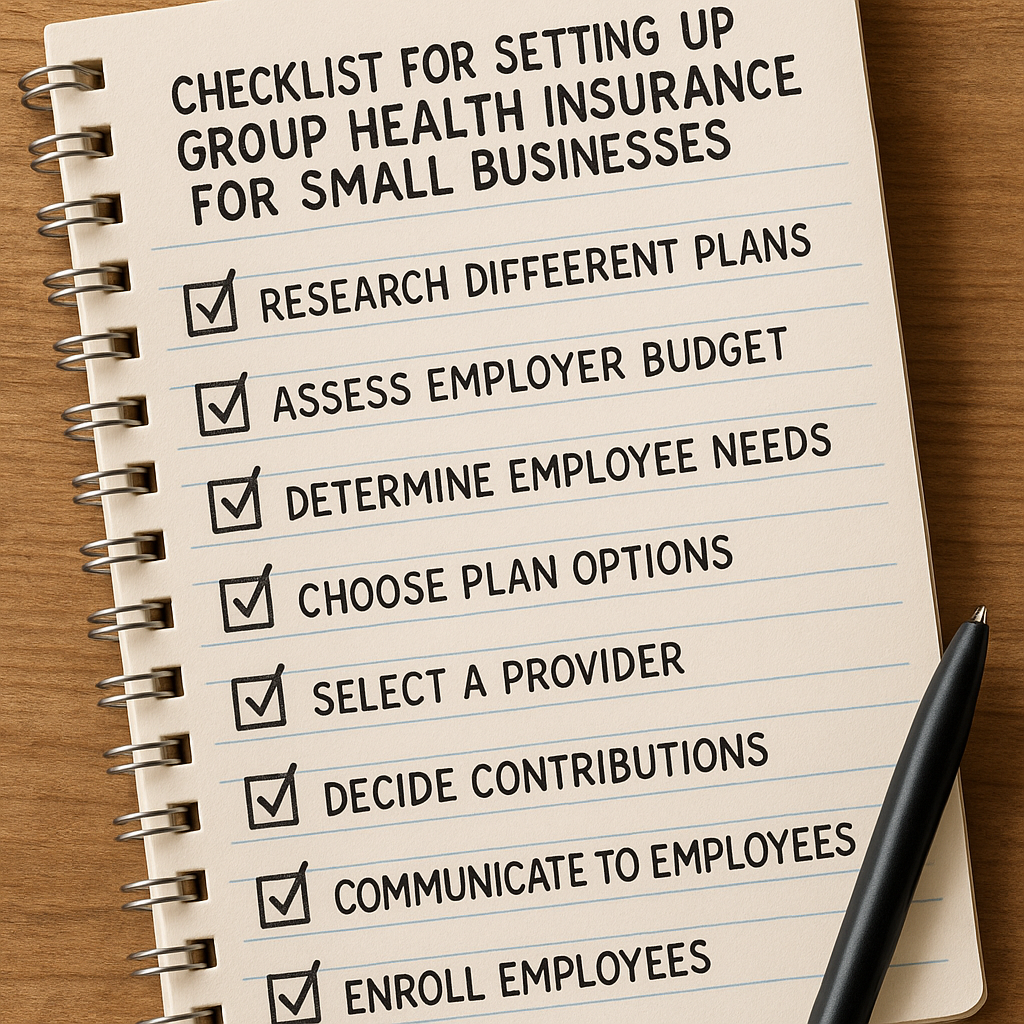
Comparing Group Health Insurance Options for Small Businesses with Living Benefits
Running a small business means juggling payroll, taxes, and the occasional surprise—like an employee who suddenly can’t work because of a serious illness.
Ever wish you could give your team a safety net that works while they’re still on the job, not just after they’re gone? That’s where “living benefits” sneak into group health plans, turning a standard medical shield into a financial lifeline.
Why living benefits matter for your crew
Think about it: a critical‑illness rider can pay out a lump sum when an employee is diagnosed with cancer, heart attack, or stroke. That cash can cover lost wages, extra care costs, or even keep the business running while the employee recovers.
From a boss’s perspective, the payoff is two‑fold—employees feel protected, and you avoid a sudden dip in productivity or the need to hire temporary help.
Three common group health models and their living‑benefit potential
Small businesses typically choose one of three structures:
- Fully insured plans. You pay a predictable premium to an insurer, who handles claims. Some carriers let you add a critical‑illness rider that triggers a direct payment to the employee, separate from the medical claim.
- Self‑funded (or self‑insured) plans. You cover claims out‑of‑pocket and buy a stop‑loss policy for big losses. Because the payroll deductions sit in a trust‑like account, you can layer a “living‑benefit” fund that employees can draw from when a qualifying event occurs.
- Hybrid HSA/HRA combos. Health Savings Accounts paired with Health Reimbursement Arrangements let you earmark pre‑tax dollars for medical expenses. Add a “wellness‑grant” rider, and those funds become usable for non‑medical costs like a short‑term disability payout.
Each model has its own cost profile, but the living‑benefit add‑on usually ranges from 5‑10 % of the base premium. That’s a small price for a safety net that can keep a key employee on the payroll during a rough patch.
How to evaluate with life insurance with living benefits quotes
When you sit down with your broker, ask for a side‑by‑side “life insurance with living benefits quotes” that breaks out the base health‑plan cost, the rider premium, and the projected payout for each trigger.
Put the numbers in a simple spreadsheet: multiply the expected lump‑sum payout by the average salary loss during a six‑month recovery, then compare that to the extra cost of the rider. If the breakeven point is under 1 % of payroll, you’ve found a win‑win.
Don’t forget to revisit the quote every 12‑18 months. Premiums, rider fees, and even the list of covered conditions can shift, and a quick tweak can preserve that protective edge.
Quick checklist before you sign
- Confirm the rider’s trigger definitions (e.g., “stage III cancer” vs. “any malignant tumor”).
- Check the maximum payout – most plans cap it at 30‑50 % of the employee’s annual salary.
- Make sure the rider cost is transparent and not bundled into a vague “administrative fee.”
- Ask for a sample claim scenario from the carrier to see how quickly the lump‑sum reaches the employee.
| Option | Living‑Benefit Feature | Typical Cost / Consideration |
|---|---|---|
| Fully insured + critical‑illness rider | Lump‑sum payout on qualifying diagnosis | +5‑10 % of base premium; easy admin |
| Self‑funded with stop‑loss + living‑benefit fund | Employer‑controlled reserve that can be accessed by employees | Requires cash flow; stop‑loss protects large claims |
| Hybrid HSA/HRA + wellness‑grant rider | Pre‑tax dollars usable for medical or short‑term disability | Flexible; payout tied to account balance |
Bottom line: adding a living‑benefit rider to your group health package isn’t a gimmick—it’s a strategic move that protects both your people and your bottom line. Grab a personalized “life insurance with living benefits quotes” today, run the numbers, and make sure your small business has the safety net it deserves.
Getting Accurate Life Insurance with Living Benefits Quotes: Step-by-Step Process
Okay, you’ve seen the headline—”life insurance with living benefits quotes”—and you’re thinking, “Great, but how do I actually get a number that I can trust?” Trust me, the process feels a lot like putting together a recipe: you need the right ingredients, a clear method, and a little tasting along the way.
Step 1: Pull together the personal data that insurers love
First, grab the basics: your age, gender, health history (think recent lab results, any diagnosed conditions, and current meds), and a snapshot of your finances—annual income, existing debts, and how much you’d comfortably pay each month.
Pro tip: write everything down in a simple table. When you see a number, you’ll know exactly where it came from, and you’ll avoid the dreaded “I forgot I have a pre‑existing condition” moment later.
Step 2: Define the living‑benefit goals that matter to you
Ask yourself: “If I were suddenly diagnosed with a critical illness, what would I need right now?” Maybe it’s a few months of mortgage payments, a short‑term disability buffer, or cash for a child’s tuition.
Write those goals in dollar terms. For example, a teacher in Texas might need $12,000 to cover six months of rent and groceries while recovering from knee surgery. Having a concrete figure makes the quote comparison crystal clear.
Step 3: Use a reputable quote tool and request a side‑by‑side estimate
Now fire up a quote engine—most agencies, including Life Care Benefit Services, have a quick online form. Enter the data from Steps 1 and 2, and ask specifically for a breakdown that shows:
- Base premium (the cost of pure death protection)
- Rider premium for each living‑benefit option you selected
- Projected cash‑value or accelerated payout amounts at ages 40, 50, and 60
Don’t settle for a single column of numbers. Request a side‑by‑side sheet so you can see, for instance, how a 20‑year term with a critical‑illness rider stacks up against a 30‑year Indexed Universal Life (IUL) policy with an accelerated death‑benefit rider.
Step 4: Model a real‑world scenario
Take the numbers and run a “what‑if” test. Imagine you’re a small‑business owner with a $250,000 mortgage. If a qualifying cancer diagnosis occurs, how much of the death benefit could you accelerate? Most riders let you tap 25‑30 % of the face amount. Plug that into a simple spreadsheet:
Accelerated payout = Face amount × 0.30
Remaining death benefit = Face amount – Accelerated payout
Seeing the math in front of you turns an abstract rider into a tangible safety net.
Step 5: Compare, negotiate, and lock in
With at least two quotes in hand, line them up side by side. Look for:
- Premium difference per month
- Rider cost as a percentage of the base premium (most sit around 5‑10 %)
- Any waiting periods or exclusions that could bite you later
If a quote seems unusually cheap, ask the agent to clarify—sometimes a low price means a narrower definition of “critical illness.” Conversely, a higher price might include a broader set of triggers, like stage II cancer, which could be worth the extra dollars.
Once you’ve chosen the best fit, request a written illustration that shows the premium schedule for the next 10‑15 years and the projected cash‑value growth. That document is your contract’s roadmap.
Real‑world example: A veteran’s path to affordable coverage
Consider a former service member who just left the military. He can enroll in VA’s Servicemembers’ Group Life Insurance (SGLI), which charges just five cents per $1,000 of coverage. He adds a low‑cost critical‑illness rider through his employer’s group plan. By pulling a side‑by‑side quote, he discovers that the combined monthly cost is under $30, yet the accelerated benefit would cover a $15,000 out‑of‑pocket hospital bill—something that would have otherwise drained his savings.
That simple math shows why the step‑by‑step method isn’t just bureaucratic—it’s a way to prove that a modest premium can protect a real‑life emergency.

Expert tip: Review annually, not just once
Life changes—salary bumps, new dependents, or a health diagnosis. Set a calendar reminder every 12‑18 months to pull a fresh quote. A tiny tweak in the rider cost or a new cap rate on an IUL can swing your protection level dramatically.
And remember, the goal isn’t just a number on a page; it’s peace of mind that you’ll have cash when you need it, without scrambling for a loan.
Ready to see those numbers for yourself? Grab a personalized quote today, run the side‑by‑side comparison, and lock in the living‑benefit protection that fits your life.
Frequently Asked Questions
What exactly are “life insurance with living benefits quotes” and why should I look for them?
When you ask for a quote that includes living benefits, you’re getting two numbers on one sheet: the base premium for pure death protection and the extra cost of any rider that lets you tap the policy while you’re still alive. Seeing both side‑by‑side lets you compare apples to apples, so you know whether the added protection is worth the few extra dollars each month.
How do I know which living‑benefit rider is right for my situation?
Start by writing down the biggest financial gaps you’d worry about if you got sick – maybe a mortgage payment, a child’s tuition, or a short‑term disability buffer. Then match those needs to rider triggers: a critical‑illness rider pays a lump sum for a cancer or heart‑attack diagnosis, while a chronic‑illness rider helps cover long‑term care costs. Ask the agent to show a quote that isolates each rider’s cost so you can see the impact on your budget.
Can I really use the cash value of an IUL for everyday expenses without ruining the death benefit?
Yes, as long as the policy stays funded. An IUL builds cash value that you can borrow against tax‑free. The loan reduces the death benefit only by the amount you’ve borrowed plus interest, so the family still gets a sizable payout. Your quote should include a projected cash‑value curve and a sample loan scenario so you can picture exactly how much you could tap at age 55 versus what the death benefit would look like after the loan.
What should I look for in the fine print of an accelerated‑death‑benefit rider?
Pay attention to three things: the percentage of the face amount you can access (usually 25‑30 %), the waiting period before the rider kicks in (often 30‑90 days after diagnosis), and any exclusions (some riders don’t cover pre‑existing conditions). A good quote will break these details out in a table, showing you the extra premium and the maximum payout you could receive if the trigger event happens.
How often should I refresh my living‑benefits quotes?
Life changes fast – a raise, a new dependent, or a health diagnosis can all shift the math. Set a reminder to pull fresh side‑by‑side quotes every 12‑18 months. Even a small tweak in the rider cost or a new cap rate on an IUL can add or subtract a few hundred dollars a year from your premium, so an annual check‑in keeps your protection aligned with your reality.
Is it worth adding a living‑benefit rider to a group plan for my small business?
Absolutely, if you care about keeping key employees on payroll during a health crisis. The rider typically adds just 5‑10 % to the base premium but can deliver a lump‑sum payout that covers lost wages or temporary disability costs. When you request a quote, ask the broker to split out the group premium, the rider premium, and a projected payout example so you can see the ROI in plain dollars.
What’s the next step after I’ve compared a few quotes?
Pick the option that balances affordability with the coverage gaps you care about most, then ask for a written illustration that shows the premium schedule, rider costs, and cash‑value projections for the next 10‑15 years. Review that document with a trusted advisor, ask any lingering questions, and once you’re comfortable, lock in the policy and set that annual reminder to revisit the numbers.
Conclusion
We’ve walked through how life insurance with living benefits quotes can turn a traditional protection plan into a financial safety net you actually use while you’re alive.
Remember, the magic happens when you compare the base premium side‑by‑side with the rider cost, then model a real‑world scenario—whether that’s covering a mortgage payment during recovery or funding a short‑term disability.
So, what does that mean for you? It means you don’t have to choose between peace of mind and everyday cash flow. A well‑chosen rider gives you a lump‑sum when you need it most, and an Indexed Universal Life policy adds a tax‑free cash engine you can tap later.
Here’s a quick checklist before you lock anything in?
- Pull two or three life insurance with living benefits quotes.
- Break out the base premium, rider premium, and projected cash‑value.
- Run a “what‑if” test for your biggest financial gap.
- Set a reminder to revisit the numbers every 12‑18 months.
By staying on top of those quotes, you keep your coverage aligned with life’s twists, without overpaying or missing out on critical cash options.
Feeling ready to put a real safety net in place? Schedule a free consultation with Life Care Benefit Services today, and let us help you turn those numbers into a plan that actually protects your family and business.