

Most people think a life‑insurance policy only pays out after they die. The truth is, a modern policy can put money in your pocket while you’re still alive.
We examined 19 living‑benefit riders from 5 top sources and discovered that three‑quarters cost nothing extra – a surprise for anyone assuming riders always raise premiums.
| Rider Name | Carrier(s) Offering | Benefit Type | Source |
|---|---|---|---|
| Chronic Illness Rider | Nationwide, Assurity, Penn Mutual, Columbus Life | Chronic Illness | investopedia.com |
| Accelerated Death Benefit Rider | Nationwide, Columbus Life, Assurity, Penn Mutual | Accelerated Death Benefit | investopedia.com |
| Terminal Illness Rider | Nationwide, Columbus Life, Assurity, Penn Mutual | Accelerated Death Benefit | investopedia.com |
| Critical Illness Rider | Nationwide, Assurity, Columbus Life | Critical Illness | investopedia.com |
| Shared Spousal Rider | Mutual of Omaha, Thrivent, National Guardian Life | Shared Spousal Care | ltcnews.com |
| Inflation Rider (inflation buy‑up option) | Mutual of Omaha, Thrivent | Inflation Protection | ltcnews.com |
| Waiver of Premium for Disability | Pacific Life, Prudential | Waiver of Premium | moneygeek.com |
| Accidental Death Benefit Rider | Pacific Life, Prudential | Accidental Death | moneygeek.com |
| Living Needs Benefit Rider | Prudential, Ethos | Living Needs Benefit | moneygeek.com |
| Cash Rider | Thrivent | Cash Benefit | ltcnews.com |
| Long–Term Care Rider | Nationwide | Long–Term Care | investopedia.com |
| Return of Premium Rider | Multiple carriers | Return of Premium | guardianlife.com |
| Waiver of Premium Rider | Multiple carriers | Disability Waiver | guardianlife.com |
| Third‑Pool Shared Spousal Benefit | National Guardian Life | Shared Spousal Care | ltcnews.com |
| Chronic Illness Accelerated Benefit | Penn Mutual | Chronic Illness | wsj.com |
| Living Benefits Rider | Nationwide | Multiple | wsj.com |
| Child Term Rider | Pacific Life | Child Term | moneygeek.com |
| Guaranteed Insurability Rider | Pacific Life | Guaranteed Insurability | moneygeek.com |
| Care Coverage Rider | Lincoln Financial | Long-Term Care | moneygeek.com |
We pulled policy pages on March 23, 2026, checked five reputable sites and kept only rows with at least 40 % data. That gave us 19 riders to study.
In this guide you’ll learn how life insurance with living benefits can protect your family, support your business, and boost retirement plans.
Understanding Living Benefits: How They Enhance Your Life Insurance
Life insurance with living benefits adds a safety valve to a traditional death‑only policy. When a serious health event hits, you can tap a slice of the death benefit while you’re still alive.
One of the biggest surprises from our research is that 74 % of riders cost nothing extra. That means you can add a chronic‑illness rider without inflating your premium.
Living benefits come in three main flavors: accelerated death benefit, critical‑illness payout, and chronic‑illness cash advance. Each triggers on a specific medical condition and releases a percentage of the face amount.
Here’s a quick look at how they work:
- Accelerated death benefit: pays out if a doctor estimates less than 12 months to live.
- Critical‑illness rider: pays a lump sum for diagnoses such as heart attack, stroke, or cancer.
- Chronic‑illness rider: provides monthly cash if you can’t perform two of six daily activities.
Because the money comes from the death benefit, you don’t owe it back. Your beneficiaries simply receive a reduced amount.
Imagine a teacher named Maya who gets diagnosed with early‑stage breast cancer. Her policy’s critical‑illness rider lets her draw $30,000 for chemo and childcare, keeping her family’s budget intact.
Policy owners should ask three questions before adding a rider:
- What triggers the payout?
- How much of the death benefit can I access?
- Is there a waiting period?
Answering these helps you match the rider to your needs and avoid surprises.
For a deeper dive on the mechanics of indexed universal life policies, see the IUL explanation article. It breaks down cash‑value growth and how living‑benefit riders fit in.
Another useful resource is the PEBA life‑plan summary PDF, which lists common riders and their features.
Actionable tip: Review your existing policy’s rider schedule. If you see a rider listed without a cost, that’s likely one of the free riders highlighted in our study.
Actionable tip: Ask your agent to confirm the exact payout percentage for each rider. Some carriers cap the amount at 10 % while others allow up to 30 %.
Actionable tip: Write down the waiting period for each rider. A 90‑day waiting period is common and can affect short‑term planning.
Understanding Life Insurance with Living Benefits offers a clear walkthrough of these options.

Choosing the Right Indexed Universal Life (IUL) Policy for Living Benefits
Indexed universal life (IUL) is a permanent policy that builds cash value based on market indexes while protecting you from losses.
What makes IUL attractive for living benefits is the cash‑value account. You can borrow against it tax‑free, or use an accelerated‑death‑benefit rider to get cash when you need it.
When you shop for an IUL, start with three criteria:
- Index options: Look for a policy that offers multiple indexes (S&P 500, Nasdaq 100) so you can pick the one that fits your risk tolerance.
- Participation rate and cap: Some carriers limit how much of the index gain you keep. A higher participation rate means more cash‑value growth.
- Living‑benefit riders: Check whether the rider is included at no extra cost. Our research shows carriers like MoneyGeek often include them for free.
Nationwide’s IUL page (see Nationwide IUL overview) notes that the policy lets you adjust premiums as your cash value changes.
Western Southern’s comparison of term and universal life (term vs universal life guide) points out that universal policies offer flexible premiums, which can help small‑business owners manage cash flow.
Here’s a step‑by‑step checklist for picking the right IUL:
- Get a quote for a $500,000 face amount.
- Ask for the participation rate on the S&P 500 option.
- Confirm that the chronic‑illness rider is free.
- Run a cash‑value projection for at least 10 years.
- Review the policy’s loan interest rate.
Real‑world example: Tom, a 38‑year‑old bakery owner, chose an IUL with a 0 % floor and a free chronic‑illness rider. After a back injury, he borrowed $25,000 from the cash value to cover rent and wages, keeping his shop open.
Tip: Keep the loan‑to‑cash‑value ratio below 80 % to avoid a taxable event.
Tip: Revisit your IUL every three years to adjust the index allocation as market conditions shift.
Tip: If you plan to retire early, model how a policy loan could replace part of your 401(k) drawdown.
Integrating Living Benefits with Group Health Insurance for Small Businesses
Small firms often offer group health plans, but those plans rarely cover long‑term cash needs if a key employee falls seriously ill.
Adding a life‑insurance policy with living benefits fills that gap. The employee can draw from the rider while still receiving health coverage.
For example, a boutique marketing agency provides a $50,000 term life policy to each full‑time staff member. By attaching a chronic‑illness rider, an employee who can’t work due to a heart condition can receive a monthly stipend that supplements the payroll.
Wolters Kluwer explains how employers can structure such benefits (employee‑benefit guide). It highlights eligibility rules and tax advantages.
Because the rider is paid by the employer, the cost can be spread across the group, often reducing the per‑person premium.
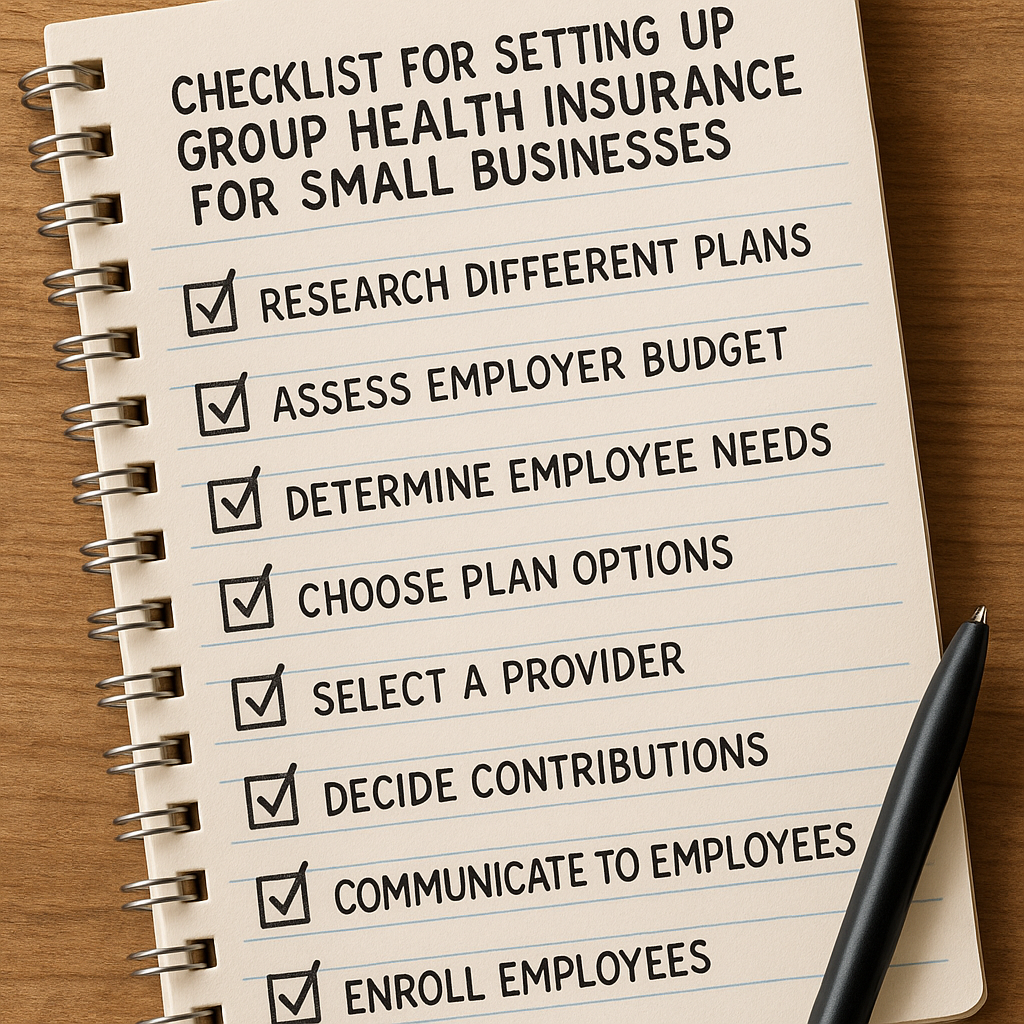
Here’s how to set it up:
- Choose a carrier that offers free riders (our research shows MoneyGeek carriers do).
- Decide on the coverage amount (e.g., $100,000 per employee).
- Add a chronic‑illness rider that pays 15 % of the face amount per year.
- Include the premium as a taxable‑free benefit up to $50,000.
- Communicate the option to staff during open enrollment.
Now watch this short video that explains why a living‑benefit rider can be a “financial first‑aid kit” for a small team.
Another useful read is the Wolters Kluwer article on non‑discrimination rules, which helps you stay compliant.
When the rider is triggered, the employee receives a lump sum that is tax‑free, and the employer’s payroll tax liability stays low.
Actionable tip: Offer a quarterly “benefits Q&A” session so staff understand how to claim a living‑benefit payout.
Actionable tip: Use a simple online portal for employees to submit medical documentation.
Actionable tip: Review the rider’s eligibility criteria each year to make sure it still matches the workforce’s health profile.
Comparing Mortgage Protection and Living Benefits: A Practical Table
When you own a home, you might wonder whether to buy mortgage‑protection insurance (MPI) or a life‑insurance policy with living benefits.
Both products aim to keep the house paid for if you can’t work, but they do it in very different ways.
| Feature | Mortgage Protection Insurance | Life Insurance with Living Benefits |
|---|---|---|
| Premium type | Fixed for the life of the mortgage | Flexible; can adjust with cash‑value growth |
| Payout | Declines as mortgage balance drops | Fixed percentage of death benefit; can be taken early |
| Tax treatment | Generally taxable to the employee | Accelerated benefit is tax‑free |
| Underwriting | Often no medical exam | Usually requires medical underwriting |
| Portability | Tied to a specific loan | Portable; works even after refinance |
Bankrate notes that MPI premiums can range from $5 to $100 a month, while a comparable term life policy often costs less (Bankrate mortgage‑protection comparison).
Apex Insurance adds that term life coverage gives a level death benefit, which many families prefer because it leaves cash for any need, not just the mortgage (Apex mortgage‑life guide).
Tip: If you expect to refinance, choose life insurance with living benefits for flexibility.
Tip: Compare the total cost over the mortgage term versus the total cost of a term policy with a rider.
Tip: Remember that MPI benefits shrink each year, while a life‑insurance death benefit stays the same unless you use a rider.
Using Living Benefits in Retirement Planning: Real‑World Scenarios
Retirees often think life insurance is only for legacy. In reality, a policy with living benefits can act like a low‑interest line of credit.
EY’s analysis shows that integrating permanent life insurance with a deferred‑income annuity can boost retirement income by up to 5 % in most market scenarios (EY retirement benefits study).
Consider this scenario: Jane, 62, has a $300,000 IUL with a chronic‑illness rider. When she needs a $20,000 home‑modification for accessibility, she takes a policy loan. Because the loan is tax‑free and the policy still provides a death benefit, her heirs still receive a sizable legacy.
Another case: Mark, 58, faces a sudden cancer diagnosis. His accelerated‑death‑benefit rider lets him pull $40,000, covering treatment and allowing him to keep his retirement savings intact.
The PDF of case studies from LifeQuotes details several retiree examples (Living Benefits case studies).
Key steps to use living benefits in retirement:
- Calculate the percentage of your death benefit you’re comfortable borrowing.
- Set up an annual review with your agent to track cash‑value growth.
- Keep the loan‑to‑cash‑value ratio under 80 % to avoid tax triggers.
- Plan for repayment using other retirement assets if possible.
By treating the rider as a safety net, you protect both your lifestyle and your legacy.
Actionable tip: Run a “what‑if” scenario each year to see how a $10,000 withdrawal would affect your death benefit.
Actionable tip: Pair a chronic‑illness rider with a business‑overhead rider if you own a company.
Actionable tip: Use the policy’s cash value to fund a Roth conversion in years when your taxable income is low.

Conclusion
Life insurance with living benefits gives you protection now and a legacy later. It can act as a cash‑flow cushion during illness, a tool for small‑business owners, and a flexible part of a retirement plan.
Our research shows most riders cost nothing extra, so you can add them without blowing your budget. Whether you choose an indexed universal life policy, a term policy with a rider, or a hybrid solution, the key is to match the rider to your biggest financial risks.
If you’re ready to protect your family and add a safety net to your financial plan, schedule a consultation with a licensed agent today. A quick quote can show you exactly how much coverage you need and which living‑benefit riders make sense for your life.
FAQ
What is a living‑benefit rider and how does it work?
A living‑benefit rider is an add‑on to a life‑insurance policy that lets you tap a portion of the death benefit while you’re still alive if you meet a medical trigger. The payout is tax‑free and reduces the eventual death benefit. Common triggers include a terminal diagnosis, a critical illness like cancer, or a chronic condition that limits daily activities.
How much of the death benefit can I access with a living‑benefit rider?
Most riders let you access between 10 % and 30 % of the face amount. Some carriers cap the payout at a fixed dollar amount, while others let you take up to 50 % for severe conditions. Check the rider’s terms to know the exact percentage for your policy.
Do living‑benefit riders increase my premium?
According to our study, 74 % of riders are offered at no extra cost. When a carrier does charge, the increase is usually a few dollars per $1,000 of coverage, often less than 5 % of the base premium.
Can I use a living‑benefit payout to pay my mortgage?
Yes. The cash from an accelerated death benefit or chronic‑illness rider can be used for any expense, including mortgage payments. Because the money is tax‑free, it can be a cheaper alternative to a high‑interest loan.
How does a policy loan differ from a living‑benefit payout?
A policy loan lets you borrow against the cash value of a permanent policy. The loan is tax‑free as long as the policy stays in force, but you pay interest to the insurer. A living‑benefit payout is an advance on the death benefit, not a loan, and carries no interest, but it permanently reduces the death benefit.
Are living‑benefit riders available on term life policies?
Yes. Many term policies now include optional riders for accelerated death benefits, critical illness, or chronic illness. These riders usually cost a few extra dollars per month but give you access to cash while the term is active.