

Picture this: you just closed a big deal, the commission check is in the mailbox, and you’re already thinking about the next open house. But then a sudden thought hits – what happens if you get sick or hurt and can’t show properties for a while? That uneasy feeling is all too common for real estate agents who work for themselves and often skip the safety net that larger employers provide.
That’s where group health insurance for real estate agents comes into play. It’s not a fancy buzzword; it’s a practical way to bundle coverage with other agents or a small brokerage, turning individual policies into a collective shield. By pooling risk, you can often snag rates that look more like what a big‑company employee gets, without sacrificing the flexibility you love about being your own boss.
In our experience at Life Care Benefit Services, we’ve seen agents who thought health insurance was out of reach discover a tailored plan that fits both their budget and their unpredictable schedule. Imagine paying a steady monthly premium that covers doctor visits, urgent care, and even telehealth sessions – all while you’re on the road, in a coffee shop, or showing a house.
So, why does it matter right now? The real estate market is heating up, and with more transactions comes more stress on your health and time. A sudden back injury from staging a home or a bout of flu during a peak listing season can cost you not just money, but reputation. Having group coverage means you’re less likely to miss appointments or lose a client because you’re forced to take unpaid leave.
Does this sound like something you’d consider? Think about the peace of mind that comes from knowing your health expenses won’t eat into your commissions. It’s a small investment that protects the biggest asset you have – your ability to keep working and earning.
Let’s dive deeper into how you can join or form a group, what typical plans include, and the steps to get a quote without spending hours on paperwork. Ready to explore a smarter way to stay healthy and keep your business thriving?
TL;DR
Group health insurance for real estate agents lets you pool resources, cutting premiums while covering doctor visits, urgent care, and telehealth wherever you work, giving you peace.
It’s an affordable safety net that protects your income and keeps you selling even when illness or injury strikes throughout the busy season.
Understanding Group Health Insurance Basics for Real Estate Agents
When you’re juggling showings, client calls, and endless paperwork, the last thing you want to worry about is how you’ll pay for a sudden illness. That’s why getting a handle on the fundamentals of group health insurance can feel like finding a hidden spare key to your business.
What exactly is group health insurance?
In simple terms, it’s a single policy that covers a collection of people – in our case, a team of real‑estate agents or a small brokerage – rather than each person buying an individual plan. Because the risk is spread across the group, insurers can often offer lower premiums and richer benefits than you’d find on the open market.
Think of it like buying a bulk box of coffee beans: you pay a bit less per ounce and you get a better roast than buying a single cup at a café.
Who can join?
Any licensed agent who works under a broker, an independent contractor who teams up with peers, or even a solo agent who partners with a professional association can qualify. The key is having at least a handful of participants – usually five or more – to meet the insurer’s minimum group size.
And if you’re wondering whether a solo agent can still benefit, the answer is yes, as long as you join a “virtual group” that aggregates agents across a region or niche.
Core components you’ll see in a typical plan
Most group policies for agents include:
- Doctor visits (in‑person and telehealth)
- Urgent care and emergency room coverage
- Prescription drug benefits
- Mental health services
- Wellness programs – often tied to partners like XLR8well for preventive health tracking
Some plans even throw in dental or vision as optional add‑ons, which can be a nice perk when you’re constantly on the go and need a quick eye check before a client walkthrough.
How premiums are calculated
Insurers look at the group’s overall health risk, age distribution, and geographic location. Because agents tend to be active and relatively young, the average cost per person can be surprisingly affordable – often a fraction of what a solo policy would cost.
One clever trick is to leverage the Group Health Insurance for Small & Mid‑Size Businesses page we’ve put together, which breaks down tax‑advantaged ways to structure contributions and lower your out‑of‑pocket expenses.
But remember, the exact premium will depend on the plan’s deductible, co‑pay levels, and any supplemental riders you choose.
Why it matters for your bottom line
Imagine you catch a flu right before a busy weekend. Without coverage, you might have to dip into commissions to cover doctor visits or, worse, miss appointments and lose a potential sale. With group health insurance, you can get the care you need without scrambling for cash, keeping your pipeline intact.
It also sends a professional signal to clients – you’re taking care of yourself, which translates to being more present and reliable for them.
Here’s a quick tip: when you’re negotiating the group rate, ask about wellness discounts. Many carriers partner with programs like JiffyPrintOnline to provide agents with branded health‑tracker cards or printable wellness checklists, adding value at minimal cost.
Now, let’s watch a short video that walks through the enrollment steps and highlights the most common questions agents have.
After you’ve soaked up the basics, you might be curious about the real‑estate market side of things. For agents focused on the Long Island area, the Woodmere NY homes guide is a handy resource to stay on top of local trends while you evaluate your health‑insurance options.
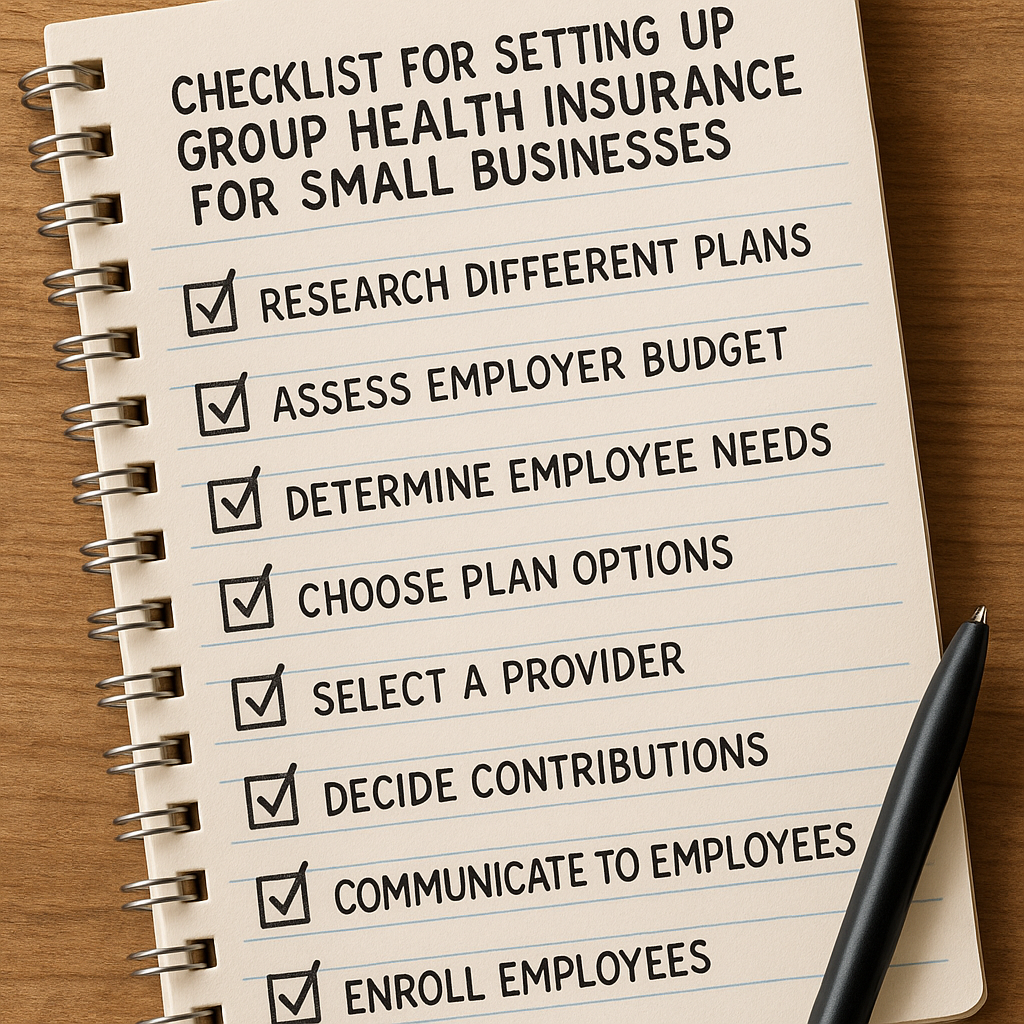
In practice, setting up a group plan involves a few clear steps:
- Gather a core group of interested agents (5‑10 is a good start).
- Choose a carrier that understands the real‑estate profession.
- Decide on contribution levels – typically a split between employer (brokerage) and employee.
- Complete the enrollment paperwork, often online.
- Communicate the benefits to the whole team so everyone knows how to use the plan.
It might sound like a lot, but once the framework is in place, the ongoing admin is minimal – most carriers handle claims processing and member support directly.
Finally, remember that health insurance isn’t a one‑size‑fits‑all. Periodically review your coverage, especially after a big transaction season or a change in your team’s size. Adjust deductibles, add riders, or explore new wellness partners to keep the plan aligned with your evolving needs.
By mastering the basics, you protect your health, safeguard your earnings, and stay focused on what you love – closing deals.

Eligibility and Enrollment Options for Real Estate Agents
So you’ve seen how a group can shave premiums – but now the real question is: who can actually join, and how do you get your name on the enrollment form?
First off, eligibility isn’t a one‑size‑fits‑all rule. Most carriers require a minimum of five to ten participating agents, but the threshold can drop to three if you’re tied to a brokerage or a professional association. In practice, that means you can qualify either by forming a small “co‑op” with fellow independent agents or by leaning on the membership perks of the NAR health plan options or a state‑specific board.
Association‑Based Eligibility
If you already hold a NAR ID, you’ve unlocked a shortcut. The NAR REALTORS® Insurance Place runs a roster of group health plans that accept individual members as long as the total group size meets the carrier’s minimum. In many cases, the association itself acts as the “group sponsor,” so you don’t need to recruit anyone else – you simply enroll through the portal and the association aggregates the numbers behind the scenes.
For agents based in California, the C.A.R. (California Association of REALTORS®) offers a similar pathway. Their group medical plans are available to any active C.A.R. member, regardless of whether you’re a solo agent or part of a larger brokerage. The key advantage here is access to wider provider networks and often lower out‑of‑pocket caps because the plan is negotiated at scale. C.A.R. group health plan details outline the exact eligibility criteria and enrollment windows.
Brokerage‑Sponsored Groups
Even if you don’t belong to a national association, many brokerages—especially the larger franchises like Coldwell Banker or RE/MAX—run their own group health offerings. Typically the broker acts as the group organizer, handling the paperwork and collecting each agent’s contribution. The upside is a streamlined process: you just sign an enrollment form, the broker deducts the premium from your commission, and the carrier does the rest.
But not every boutique office has the clout to negotiate a plan. In those cases, you can band together with neighboring agents in your market to hit the minimum participant count. Think of it as a “coffee‑shop co‑op”: you each share a simple spreadsheet of names, ages, and coverage preferences, then approach a broker who can submit a collective quote.
Open Enrollment vs. Special Enrollment
Group plans usually follow a set open‑enrollment period—often November 1 to December 15 for many carriers. Outside that window, you’ll need a qualifying life event (marriage, birth, loss of other coverage) to trigger a special enrollment. Knowing the calendar ahead of time saves you from scrambling when a deadline looms.
One tip we’ve seen work: set a recurring calendar reminder a month before the open‑enrollment start date. Use that time to reconfirm who’s still in your group, update any dependent information, and compare plan benefits side‑by‑side.
Now that the video’s out of the way, let’s break down the actual steps you’ll take once you know you’re eligible.
Step‑by‑Step Enrollment Checklist
- Confirm your eligibility. Check your association membership status, brokerage sponsorship, or the minimum‑group requirement for a self‑formed co‑op.
- Gather required info. You’ll need date of birth, Social Security number, dependent details, and any existing coverage you plan to drop.
- Choose a plan tier. Most carriers offer HMO, PPO, and high‑deductible options. We’ve seen agents favor PPOs for the flexibility to see specialists between showings.
- Submit the enrollment packet. If you’re going through an association, there’s usually an online portal. For brokerage groups, your office admin will handle the paperwork.
- Pay your share. Premiums are often split 70/30, with the group covering the larger slice. Set up automatic deduction from your commission to avoid missed payments.
- Verify coverage start date. Most plans kick in on the first of the month following enrollment; double‑check so you’re not left uninsured during a busy weekend.
And remember, eligibility isn’t a one‑off decision. As your team grows or your brokerage changes, you can re‑evaluate the group composition each year to negotiate even better rates.
Bottom line: whether you tap into NAR’s Insurance Place, join a C.A.R. group, or build a local co‑op, the eligibility rules are flexible enough to fit most real‑estate professionals. Take the time to map out your options now, and you’ll avoid the “what‑if” stress the next time you need to see a doctor between showings.
Key Benefits and Coverage Options (Video Overview)
Picture yourself scrolling through a quick video on your phone during a lunch break between showings. In that two‑minute clip, you’ll see exactly why group health insurance for real estate agents can feel like a safety net you never knew you needed.
First off, the biggest win is cost. When you pool your premiums with a handful of fellow agents, the insurer spreads the risk, which usually shaves 20‑30 % off the per‑person price. That extra cash can cover a new marketing flyer, a fresh set of business cards, or even that coffee machine you’ve been eyeing for the office kitchen.
But it’s not just about the dollars. Think about the peace of mind that comes from knowing you can walk into an urgent‑care clinic after a back‑muscle strain from staging a kitchen, without a second‑guessing the bill. Most group plans bundle preventive care, telehealth, and sometimes even dental or vision – all the stuff that keeps you on your feet and looking sharp for clients.
So, what does the coverage actually look like? A typical video will walk you through three core tiers:
HMO – Low Cost, Network‑Focused
If you’re okay with seeing doctors within a set network, an HMO gives you the lowest monthly premium. You’ll still get unlimited primary‑care visits, but referrals are required for specialists. For agents who spend most of their day in the field and need quick, affordable care, this can be a solid choice.
PPO – Flexibility First
Prefer the freedom to pick any doctor, even out‑of‑network? A PPO usually carries a higher premium, but you’ll avoid referrals and get a larger out‑of‑pocket maximum. That’s the plan many agents favor when they travel between cities for open houses and need a doctor who’s close to the next listing.
High‑Deductible with HSA – Tax‑Savvy Option
Some groups offer a high‑deductible health plan paired with a Health Savings Account. You pay a low premium, save pre‑tax dollars in the HSA, and roll over unused funds year after year. It’s a smart way to turn health expenses into a mini‑investment that can even cushion a slow season.
Now, let’s talk about the “extras” that often get left off the headline. Many carriers throw in wellness perks: 24/7 virtual doctor visits, discounted gym memberships, and even mental‑health counseling. Imagine a quick video call with a therapist after a stressful negotiation – you get support without taking a half‑day off.
And here’s a tip we’ve seen work repeatedly: ask the group organizer to request a “summary of benefits” sheet that lays out the deductible, co‑pay, and out‑of‑pocket max side‑by‑side. Seeing those numbers next to each other helps you spot the sweet spot between cost and coverage.
What about the enrollment process? The video will usually show a simple three‑step flow: confirm eligibility (most plans need five agents, but some associations lower that number), submit basic info (DOB, SSN, dependents), and choose your tier. After you click “Enroll,” the premium is typically split 70/30 – the group covers the larger slice, you handle the rest via automatic commission deduction.
Does this feel overwhelming? Not really. The visual guide breaks everything into bite‑size frames, so you can pause, replay, and even take notes on the benefits that matter most to you – whether that’s low co‑pays for urgent care or a robust telemedicine network for those mid‑day client calls.
One last thing to remember: your needs can change. If you add a spouse, hire an assistant, or your brokerage grows, most plans let you adjust coverage during the annual open‑enrollment window. That flexibility is a lifesaver when you’re scaling your business.
Bottom line: the video overview isn’t just a marketing gimmick. It’s a quick, visual checklist that helps you compare cost, flexibility, and extra perks – all so you can pick the plan that lets you stay healthy, stay productive, and keep those commissions rolling in.
Comparing Top Group Health Plans for Real Estate Agents
When it comes to group health insurance for real estate agents, the options usually fall into three familiar buckets: an HMO that keeps costs low, a PPO that gives you freedom, and a high‑deductible health plan paired with an HSA for the tax‑savvy.
We’ve seen agents gravitate toward the plan that matches how they work. If you spend most of your day hopping from open house to showing, you probably want a network you can tap quickly, even if it means a referral for a specialist.
One downside is that the network might not cover a downtown clinic you love near a hot listing. In that case, you either travel to an in‑network location or wait for a referral – a small inconvenience if you’re okay with a bit of planning.
HMO – Low‑Cost, Network‑Focused
HMOs typically charge the lowest premium because they lock you into a specific provider network. You’ll get unlimited primary‑care visits, but you’ll need a referral to see a specialist. For agents who mostly need routine check‑ups or urgent‑care visits after a back‑muscle strain, an HMO can shave 20‑30 % off the monthly bill.
One downside is that the network might not cover a downtown clinic you love near a hot listing. In that case, you either travel to an in‑network location or wait for a referral – a small inconvenience if you’re okay with a bit of planning.
PPO – Flexibility First
PPOs let you pick any doctor, in‑ or out‑network, without a referral. The trade‑off is a higher premium and a slightly higher out‑of‑pocket maximum. If you’re closing deals across state lines or you often need a specialist on short notice, the PPO’s freedom can keep your schedule on track.
Because you can see a dentist or vision provider on the same plan, many agents bundle those services and avoid juggling separate policies. The extra cost often pays for the peace of mind of walking into any clinic after a long day of showings.
High‑Deductible Health Plan (HDHP) + HSA – Tax‑Smart Option
An HDHP lowers your monthly premium dramatically, but you’ll pay more out of pocket before insurance kicks in. The HSA that comes with it lets you stash pre‑tax dollars, roll over unused balances year after year, and even invest the funds if you choose.
Agents who are healthy most of the year love this combo because they can save the premium difference and use the HSA to cover occasional tele‑medicine visits or a pricey MRI later on. Just remember to budget for the deductible – it’s usually $1,500–$3,000 for an individual.
| Plan Type | Typical Monthly Premium* | Key Benefits |
|---|---|---|
| HMO | $250–$350 | Lowest cost, unlimited primary care, referrals required for specialists |
| PPO | $350–$500 | Broad provider choice, no referrals, higher out‑of‑pocket max |
| HDHP + HSA | $200–$300 | Low premium, tax‑free savings, flexibility for future health spending |
So, how do you decide which one fits your business? First, map out how often you see a doctor and whether you need specialist access without a gatekeeper. Second, calculate what you can comfortably afford each month versus what you could handle if a deductible pops up.
In our experience, agents with a steady stream of commissions and a solid emergency fund often lean toward the PPO for its convenience, while newer agents or those just starting a group tend to pick the HMO to keep overhead low.
Finally, remember that many carriers let you switch plans during the annual open‑enrollment window. Treat your health coverage like you treat a listing – review it every year, compare the numbers, and adjust as your business grows.
Take a moment now to jot down your top three priorities – cost, flexibility, or tax savings – and line them up against the table above. That simple exercise can turn a confusing market into a clear choice, so you can focus on closing deals instead of decoding insurance jargon.
Integrating Group Health with Life Insurance and Retirement Planning
Imagine you’re wrapping up a showing, the sun’s setting, and you glance at the stack of paperwork on your kitchen table – a health enrollment form, a life‑insurance quote, and a retirement calculator all side by side. It feels a bit chaotic, right? That’s exactly why we recommend looking at these three pieces as a single financial safety net instead of three unrelated chores.
So, how do you stitch them together without pulling your hair out? The secret is to treat your group health plan as the foundation of a broader protection strategy. When you have solid health coverage in place, you can allocate the money you’d otherwise spend on out‑of‑pocket emergencies toward a life‑insurance policy that safeguards your family’s future, and then funnel any remaining cash‑flow into a retirement vehicle that grows tax‑free.
Why Combine Group Health, Life, and Retirement?
First, the numbers speak for themselves. A typical group health plan for a small real‑estate team runs $250‑$350 a month. If you add a modest term life policy – say $500,000 coverage – you’re looking at another $20‑$30 a month. Suddenly, the total cost is under $400, which is often less than the premium you’d pay for an individual health plan plus a separate life plan.
Second, the tax advantages line up nicely. Contributions to a qualified retirement account (like a SEP‑IRA or solo 401(k)) are deductible, and the premiums you pay for group health are generally pre‑tax if your brokerage runs a Section 125 plan. That means more of your commission stays in your pocket while you build a retirement nest egg.
Step‑by‑Step Blueprint
1. Lock in group health first. Get the enrollment window closed, confirm your premium split, and make sure the plan includes tele‑medicine and disability riders – those are lifesavers when a back strain keeps you off the floor.
2. Assess your protection gap. Ask yourself: If you suddenly couldn’t work, would your savings cover three months of commissions? If the answer is no, calculate the shortfall and use that figure to size a term life policy.
3. Choose a life‑insurance rider that complements disability. Many agents pair a term policy with a “living benefit” rider that lets you tap into the death benefit if you become totally disabled. That way, the same dollar amount protects both income loss and family security.
4. Feed the retirement engine. Once health and life costs are settled, direct any surplus into a retirement account. Because you’re self‑employed, you can contribute up to $66,000 per year to a solo 401(k) if you qualify – a powerful way to accelerate growth.
5. Review annually. Your commission flow, family needs, and even the group health plan itself can shift year to year. Set a calendar reminder for the open‑enrollment period, then run the same three‑step check to keep everything aligned.
Here’s a quick snapshot of how it looks in practice: Sarah, a mid‑level agent, pays $300/month for group health, adds a $25/month term life policy with a living‑benefit rider, and contributes $800/month to her solo 401(k). After taxes and premiums, she still has enough left over to cover marketing costs and a weekend getaway. The peace of mind? Knowing that if a client injury knocks her out for a month, the disability rider pays her usual commission amount, and her retirement account keeps growing.

One tip we’ve seen work repeatedly: bundle the life‑insurance living‑benefit rider with the group health plan’s short‑term disability option. When the same insurer offers both, the underwriting is smoother, and you often snag a discount for buying two protections together.
Finally, remember that integration isn’t a one‑size‑fits‑all formula. Some agents may prioritize a larger life policy because they have dependents, while others might lean into a higher retirement contribution if they’re nearing retirement age. The key is to view the three pieces as interchangeable gears – adjust one, and the others shift to keep the engine running smoothly.
Ready to pull the pieces together? Take a few minutes this week to map out your current health premium, estimate a comfortable life‑insurance amount, and calculate how much you could realistically stash into a retirement account. When you see the numbers line up, you’ll feel the same confidence you get when a listing finally sells.
Cost Management Strategies and Tax Advantages for Real Estate Agents
Start with a realistic budget, not a wish‑list
Grab a coffee, open a spreadsheet, and write down every dollar that comes in from commissions. Then list every recurring out‑of‑pocket cost – phone, marketing, your current health‑insurance premium. Seeing the numbers side‑by‑side helps you spot the wiggle room for a group health plan that won’t choke your cash flow.
In our experience, agents who track their cash flow weekly find that 10‑15 % of their monthly income can be reallocated toward a smarter insurance package without hurting their business.
Leverage the tax‑deductible nature of premiums
Here’s the sweet part: if your group health plan is set up under a Section 125 (cafe‑style) arrangement, the premium you pay is taken out of your commission pre‑tax. That means you keep more of each check, and the IRS sees a lower taxable income.
For example, a $300 monthly premium becomes a $300 reduction in your taxable earnings. At a 22 % marginal tax rate, that’s $66 saved every month – $792 a year – just by using the right structure.
Consider a high‑deductible health plan (HDHP) paired with an HSA
HDHPs usually have lower premiums, which frees up cash for other business needs. The catch is the higher deductible, but the Health Savings Account (HSA) lets you stash pre‑tax dollars that roll over year after year. Those funds can cover the deductible, a few tele‑medicine visits, or even be invested for extra growth.
Actionable tip: open an HSA with a low‑fee provider, set up an automatic $100‑per‑month contribution, and watch it grow tax‑free. If you never use it, you’ll still have a nest‑egg for future medical costs or retirement.
Bundle with short‑term disability and life‑insurance riders
When the same carrier offers a short‑term disability rider on your group health plan, you can often lock in a discount for buying both together. The disability rider pays a portion of your commission if you’re sidelined, while the life‑insurance rider (especially a term policy with a living‑benefit option) protects your family.
Real‑world scenario: Jenna, a solo agent in Texas, switched to a bundled package that cost her $20 less per month than the two separate policies she had before. The savings, plus the tax advantage of pre‑tax premium payment, added up to $240 in her pocket after one year.
Maximize retirement contributions as a tax‑shield
Because you’re self‑employed, a Solo 401(k) or SEP‑IRA lets you deduct contributions from your taxable income. The magic happens when you coordinate this with your health‑insurance budgeting. If you can shave $100 off your health premium by moving to an HDHP, you can redirect that $100 into a retirement account, gaining both a tax deduction now and growth for later.
Step‑by‑step: 1) Calculate your average monthly commission after expenses. 2) Determine the lowest‑cost group health option that meets your coverage needs. 3) Subtract that premium from your cash‑flow budget. 4) Allocate the remainder to a Solo 401(k) contribution, aiming for at least 10 % of your net earnings.
Take advantage of the self‑employment tax deduction
Half of your self‑employment tax (Social Security and Medicare) is deductible. When you file Schedule SE, you’ll see that deduction lower your adjusted gross income, which in turn reduces the amount of tax you owe on your health‑insurance premiums.
Bottom line: every dollar you save on premiums or deduct as a business expense is a dollar that stays in your pocket to invest back into your business or your future.
Checklist for a tax‑smart health‑insurance strategy
- Confirm your group plan qualifies for pre‑tax premium deduction (Section 125).
- Compare HDHP vs. traditional PPO premiums and factor in HSA contributions.
- Ask the carrier about bundled disability and term‑life riders – look for a 5‑10 % discount.
- Set up automatic contributions to an HSA and a Solo 401(k) at the start of each month.
- Review your cash‑flow statement quarterly and adjust premium contributions as commissions fluctuate.
- Schedule an annual tax‑planning session with a CPA who understands self‑employed agents.
By treating your health insurance like a financial tool—not just a safety net—you’ll keep more commission in your bank account, lower your tax bill, and build a cushion for the inevitable ups and downs of real‑estate life.
Conclusion
We’ve walked through why group health insurance for real estate agents isn’t just a perk—it’s a financial lifeline.
Think about the last time a sore back or an unexpected ER bill threatened to eat into your commission. With a pooled plan, those costs shrink, and the tax savings keep more cash in your pocket.
So, what’s the next step? First, double‑check your eligibility—whether through an association, your brokerage, or a DIY co‑op. Then grab a quick quote, lock in the premium split, and set up automatic payments so you never miss a beat.
Remember, the right plan also opens doors to HSA contributions, disability riders, and even bundled life coverage. Treat it like the core of a three‑gear engine: health fuels the engine, life protects the driver, and retirement keeps the journey going.
And if you ever feel stuck, a brief chat with a specialist at Life Care Benefit Services can clarify the numbers and point you to the best group option for your market.
Bottom line: protect your health, protect your earnings, and keep the momentum rolling. Take a few minutes this week to map your current premium, compare a couple of plans, and make the move—you’ll thank yourself when the next listing closes.
FAQ
What is group health insurance for real estate agents and how does it work?
Group health insurance for real estate agents is a pooled coverage option where a small team—often five to ten agents—joins forces to buy a single health plan. The insurer treats the group like a tiny business, spreading risk across all members, which usually trims the monthly premium compared to buying an individual policy. You pay a share of the total cost, typically through payroll deductions or direct commission splits, and you get the same benefits as a larger employer‑sponsored plan.
Can I join a group plan if I’m a solo agent without an association?
Absolutely. You can either partner with a local brokerage that already sponsors a plan, or you can create a DIY co‑op with a few neighboring agents. The key is hitting the carrier’s minimum participant count—often five agents, but some associations lower it to three. Once you have enough sign‑ups, a broker or an intermediary like Life Care Benefit Services helps gather the paperwork, submit the quotes, and lock in the group rate.
What are the main types of plans available to real‑estate groups?
Most carriers offer three familiar tiers: an HMO that keeps costs low but requires you to stay in‑network and get referrals, a PPO that gives you the freedom to see any doctor without referrals (at a higher premium), and a high‑deductible health plan paired with a Health Savings Account (HSA) for tax‑savvy agents. Each option balances premium cost, out‑of‑pocket risk, and flexibility, so you can match the plan to how often you need specialist care or travel between listings.
How do taxes affect my group health premiums?
If the group plan is set up under a Section 125 cafeteria arrangement, your premium is taken out of your commission before taxes are calculated. That means a $300 monthly premium reduces your taxable income by $300, which at a 22 % marginal rate saves you about $66 each month. Even without a Section 125, you can still deduct the cost of the health plan on your Schedule C as a business expense, further lowering your overall tax bill.
What happens if my brokerage or group disbands mid‑year?
Most carriers require a minimum enrollment period—usually the calendar year—but they also allow special enrollment if a qualifying life event occurs, such as losing coverage because the group dissolves. You’ll typically have a 30‑day window to find a new group or switch to an individual plan without a penalty. Keeping copies of your enrollment paperwork and staying in touch with your broker makes the transition smoother.
Do I need to cover dependents, and can I add them later?
You can start with just yourself and add a spouse or children during the open‑enrollment window or after a qualifying life event like marriage or birth. Adding dependents usually raises the premium a bit, but the increase is spread across the whole group, so it’s still cheaper than an individual family plan. Make sure the carrier’s network includes pediatric specialists if you have kids, and verify that the HSA option remains available for the whole household.
How often should I review my group health plan?
Treat your health coverage like a listing you’d refresh each spring. At least once a year—ideally during the carrier’s open‑enrollment period—compare the current plan’s premiums, deductibles, and out‑of‑pocket caps against any new options on the market. Look at changes in your team size, health needs, or tax situation, and don’t hesitate to renegotiate with your broker. A quick checklist of cost, coverage breadth, and added perks (like tele‑medicine or gym discounts) will keep you from overpaying.