
Term Life Insurance with Long-Term Care Rider: A Complete Guide for Homeowners and Small Business Owners
Picture this: you’ve just bought a new home, the mortgage is locked in, and you’re thinking about the future of your family.
But what happens if a sudden illness or long‑term care need drags you into costly medical bills? That worry is real, and it’s the exact reason many families start looking at term life insurance with a long term care rider.
In our experience at Life Care Benefit Services, we’ve seen homeowners and small‑business owners alike struggle to balance affordable coverage with the peace of mind that comes from knowing long‑term care costs are covered.
Term life insurance gives you a clean, straightforward death benefit for a set number of years—perfect if you’re budgeting for a mortgage or a child’s education. Adding a long term care rider layers on a living benefit: if you ever need assisted living, home health aides, or similar services, the policy can pay out while you’re still alive.
So, why does this combo feel like a safety net? First, the cost of a term policy is usually lower than a whole‑life policy, meaning you can allocate more money toward the care rider. Second, the rider turns a death‑only product into something that actually helps you today, should the unexpected happen.
Think about the teachers you know juggling a paycheck, a family, and student loans. A term policy protects their loved ones, while the rider ensures they won’t have to dip into retirement savings for long‑term care. Small‑business owners love it too—one policy can cover key employees, and the rider can be a perk that helps attract talent.
Does this sound like something you’ve been searching for? You’re not alone. Many families ask: “Can I get coverage that’s both affordable now and useful later?” The answer often lies in this hybrid approach.
Stick with us, and we’ll walk through how to evaluate riders, compare quotes, and choose the right term length for your situation. By the end, you’ll feel confident that you’ve built a foundation that protects both today’s budget and tomorrow’s health needs.
TL;DR
A term life policy with a long‑term care rider protects your family and provides living benefits to cover assisted‑living or home‑health expenses if needed.
So you keep mortgage payments manageable, avoid tapping retirement savings, and gain peace of mind—without the higher cost of whole‑life insurance for you today worldwide anywhere.
Understanding the Basics of Term Life Insurance with a Long-Term Care Rider
Ever feel that knot in your stomach when you think about what would happen if you suddenly needed assisted living while still carrying a mortgage? You’re not alone—most of us picture the worst‑case scenario, then wonder if there’s a way to protect both our loved ones and our own future health needs at the same time.
That’s where term life insurance steps in. It’s the straightforward, no‑frills death benefit you buy for a set number of years—say 20 or 30—so your family can cover the mortgage, college tuition, or any other financial obligations if you pass away early. The beauty of term is its affordability; you’re paying for pure protection without the cash‑value baggage that comes with whole‑life policies.
Now, add a long‑term care (LTC) rider, and you’ve turned that “death‑only” product into a living‑benefit safety net. Think of the rider as a built‑in health‑care supplement that activates when you need qualified long‑term care services—like home health aides, assisted‑living facilities, or even a few weeks of hospice care. When the trigger event occurs, the rider pays out a portion of your death benefit while you’re still alive, helping you avoid draining retirement savings.
How does it actually work? Typically, the rider monitors two key factors: the duration of care you receive and the cost of that care. Once you hit the predefined elimination period—often 30 or 90 days of continuous care—the insurer starts disbursing payments. Those payments are usually a percentage of your original death benefit, up to a cap set when you buy the policy. So if you have a $500,000 term policy with a 20% LTC rider, you could receive up to $100,000 in living benefits.
For families juggling a mortgage, a teacher with student‑loan debt, or a small‑business owner protecting key staff, that flexibility is a game‑changer. Imagine you’re a teacher in Dubai and you’ve just secured a term policy to protect your kids’ education costs. If you later need home health support, the rider lets you tap into that same policy without having to apply for a separate LTC plan that might cost twice as much.
But there are a few things to watch out for. First, the rider will increase your premium—usually by 10‑20% of the base term cost—so you need to budget for that bump. Second, the benefit amount is tied to the death benefit, meaning the larger your term coverage, the more you can potentially draw for care. Third, pay attention to the elimination period and benefit period; a shorter elimination period means higher premiums, but you’ll get help sooner.
What we’ve seen work best is a quick “fit‑check” before you commit: compare the rider’s cost against standalone LTC quotes, check the insurer’s claims‑payment history, and make sure the elimination period aligns with your personal health outlook. A simple checklist can save you from over‑paying or ending up with a rider that never triggers.
Ready for a quick visual recap? Below is a short video that walks through the mechanics of a term‑life‑plus‑LTC rider in plain language.
Notice how the video breaks down the cost‑benefit analysis step by step? After watching, you’ll be able to answer questions like: “Is the rider worth the extra premium?” and “How does the benefit payout affect my estate planning?”
If you’re looking for real‑world examples of how this combo works in practice, check out XLR8Well’s case studies on integrating term life with care riders. Their approach shows how a modest premium increase can translate into thousands of dollars in living benefits when needed.
For those based in the Middle East, especially the UAE, Smart Citizens offers a helpful guide on navigating local regulations around long‑term care coverage, ensuring you stay compliant while protecting your family.
And if you prefer a medical‑focused perspective, Dr. Dubey’s article on the health implications of delayed LTC planning underscores why early enrollment can reduce stress and improve outcomes.

Bottom line: term life insurance with a long‑term care rider gives you a two‑pronged shield—protecting your family’s future finances while providing a safety net for your own health needs today. Take a moment now to pull up your current term quote, ask your agent about adding an LTC rider, and run the numbers. The peace of mind you gain is worth every extra dollar.
Step 1: Evaluate Your Coverage Needs and Eligibility
First thing we all do when a new mortgage hits the desk is stare at the numbers and wonder… what if I can’t keep up because I need help later on? That gut‑check is exactly why you pause before buying a term life insurance with long term care rider.
Map out your “what‑if” scenarios
Grab a notebook or open a spreadsheet. List the biggest financial obligations you have right now – mortgage balance, kids’ tuition, car loan – and then add a column for “possible care costs” at ages 65, 75, and 85. The National Council on Aging notes that a person turning 65 today has about a 70 % chance of needing some type of long‑term care later. That statistic alone should push the care‑cost column from “maybe” to “likely.”
Next, estimate the monthly price tag for the level of care you’d feel comfortable with. National averages for home‑health aide services range from $150 to $200 per day, which translates to roughly $4,500‑$6,000 a month. Write that number down – it becomes your “coverage target.”
Check your eligibility basics
Eligibility isn’t just about money; insurers look at age, health and ability to perform activities of daily living (ADLs). Here are the three most common roadblocks you’ll encounter:
- Age: The older you are, the higher the premium and the greater the chance of denial. Applicants under 50 see denial rates under 15 %; those over 70 see nearly half denied.
- Health history: Pre‑existing conditions, recent surgeries, or chronic illnesses can raise red flags. If you’ve had a heart attack in the last two years, expect a higher premium or a waiting period.
- ADL limitations: If you already need help with bathing, dressing, or toileting, insurers may consider you high‑risk and either reject the rider or limit the benefit.
In our experience at Life Care Benefit Services, most families who qualify do so by applying before any major health event hits. The rule of thumb? Aim to lock in a rider by the time you’re 55‑60 if you can.
Step‑by‑step checklist
- Set a care‑cost goal. Use the spreadsheet to decide how much monthly payout you’d need to keep your lifestyle intact.
- Calculate the rider’s draw rate. Many policies let you tap 1‑3 % of the death benefit each month. For a $300,000 policy, a 2 % draw equals $5,000 per month – right in the ballpark of home‑care costs.
- Match the draw to your goal. If your target is $5,500, you might need a $350,000 policy or a higher draw percentage. Write down the combinations that work.
- Review the elimination period. Most riders have a 30‑ to 90‑day waiting period before payouts start. Make sure you have a short‑term cash reserve to bridge that gap.
- Run a quick “premium‑vs‑benefit” test. Add the rider cost to your term premium and compare it to the projected out‑of‑pocket care expense. If the added premium is less than 10 % of the monthly care cost, you’re likely getting good value.
- Talk to an advisor. A licensed agent can pull side‑by‑side quotes, run the numbers in real time, and spot any hidden fees.
Does this feel overwhelming? It’s okay – you don’t have to master every detail in one sitting. The goal is to come away with three numbers: your care‑cost target, a viable policy amount, and a realistic premium.
After you’ve run those calculations, take a step back and ask yourself: “If I needed that level of care tomorrow, would this policy keep me in my own home, or would I have to dip into retirement savings?” That question is the final litmus test before you move on to comparing actual quotes.
Remember, the purpose of this exercise isn’t to scare you; it’s to give you a concrete foundation. When you walk into an appointment with a clear picture of your needs, the conversation shifts from “what can we offer?” to “which option fits my plan?” That’s where confidence—and peace of mind—really start to grow.
Pro tip: If you live in a state with Medicaid asset‑look‑back rules, make sure the rider’s cash value (if any) stays below the exemption limit. A modest rider typically won’t affect eligibility, but a larger policy could. Checking with a local financial planner can save you a costly surprise later.
Step 2: Compare Policy Options and Riders
Okay, you’ve got a ballpark figure for how much care might cost and you know the term length you need. Now the fun (and sometimes confusing) part begins: lining up the actual products. Think of it like trying on shoes – you want the right fit, style, and price without sacrificing comfort.
What’s on the table?
There are basically three ways people cover long‑term care while keeping a death benefit alive:
- Term life with a LTC rider – the combo we’ve been talking about.
- Standalone long‑term care insurance – a pure care policy, no death benefit.
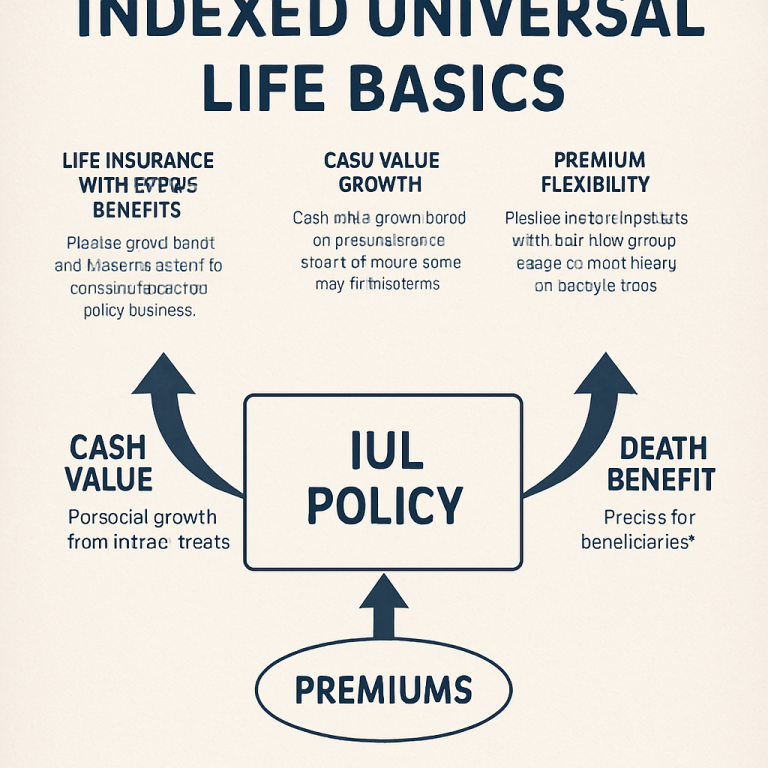
- Hybrid indexed universal life (IUL) with a LTC rider – a permanent policy that builds cash value and can also accelerate benefits.
Each option has its own set of trade‑offs. Below is a quick side‑by‑side snapshot so you can see where the sweet spots are.
| Feature | Term Life + LTC Rider | Standalone LTC Policy | Hybrid IUL + LTC Rider |
|---|---|---|---|
| Premium cost (first year) | Low‑to‑moderate – adds $600‑$800 to a term premium | Moderate – often $1,200‑$2,000 for comparable coverage | Higher – $1,500‑$3,000 because of cash‑value component |
| Death benefit if care never needed | Full term death benefit remains intact | None – you’ve only bought care coverage | Death benefit plus accumulated cash value |
| Flexibility of benefit use | Can pay for home care, assisted living, or family caregiver (Nationwide allows informal caregivers) | Usually limited to approved facilities or services | Same as term rider, plus you can tap cash value for other needs |
Notice how the term‑plus‑rider option gives you a death benefit “fallback” that the pure LTC policy doesn’t. That fallback can be a big emotional cushion for families.
But does the lower premium always win? Not necessarily.
Real‑world examples
Imagine Sarah, a 38‑year‑old homeowner with two kids. She picks a 20‑year term for $300,000 and adds a $150,000 LTC rider. Her annual cost climbs from $350 to about $1,050. Fast forward 12 years – she’s still healthy, so the death benefit is untouched, and the rider sits there as a safety net.
Now meet Mike, a 55‑year‑old teacher. He’s already eyeing retirement, so he opts for a standalone LTC policy with a $200,000 daily benefit cap. He pays $1,800 a year. When he eventually needs care at 78, the policy covers his assisted‑living costs, but his estate gets no death benefit. If he never needed care, that $1,800 a year would feel like money that vanished.
Finally, consider Lina, a small‑business owner who loves the idea of “one policy does it all.” She chooses a hybrid IUL with a $250,000 death benefit and a 2% LTC draw. The premium is $2,400 annually, but the policy’s cash value is growing tax‑deferred. When she needs care at 70, she can either draw the LTC benefit or borrow against the cash value – giving her two levers to pull.
How to compare – a simple checklist
- Premium affordability: Add the rider cost to your base term premium and see if it stays under 10% of your monthly budget.
- Benefit trigger: Most riders require a 30‑day elimination period and a certified ADL assessment. Standalone LTC policies often have longer waiting periods.
- Benefit ceiling: Look at the maximum monthly draw (e.g., 2% of $300,000 = $5,000). Does it cover the local average home‑care cost of $4,500‑$6,000?
- Impact on death benefit: Remember, every dollar you draw reduces the eventual death payout. Make sure the reduced amount still meets your legacy goals.
- Cash‑value growth: If you’re eyeing a hybrid IUL, factor in the expected growth rate (often tied to an index) and the tax advantages.
- Policy portability: Can you keep the rider if you change jobs or move states? Term policies usually stay with you, while some standalone LTC plans are tied to the insurer’s network.
When you sit down with an agent, walk through this list out loud. It forces the conversation from vague “what’s best?” to concrete “here’s how it lines up with my numbers.”
Expert tip from our team
In our experience, families that run a quick “draw‑vs‑cost” spreadsheet often discover that a 2% monthly draw on a $350,000 term policy comfortably covers the median home‑care expense in most states. That simple math can turn an overwhelming decision into a clear‑cut answer.
And if you’re still on the fence, check out our deep‑dive guide on term life insurance with living benefits. It walks you through the same comparison points with real quotes from multiple carriers.
Step 3: Integrate the Rider with Your Financial Plan
Okay, you’ve picked a term policy, added the long‑term care rider, and you’re staring at a spreadsheet that looks a little scary. That’s normal – this is where the rider actually becomes part of your financial story.
First, treat the rider like a separate line item in your budget, not an afterthought. Write down the extra premium you’ll pay each month, then ask yourself: does that amount fit comfortably inside the discretionary slice of your cash flow?
If the answer is yes, you’ve already cleared the biggest hurdle. If it feels tight, consider two tricks we often suggest: either increase the base term amount so the rider’s draw percentage can stay lower, or stretch the term length to spread the premium over more years.
Remember, the rider is essentially an accelerated death‑benefit. When you trigger it, the money you receive is subtracted from the eventual death payout. That means you should map out two scenarios – one where you never use the rider, and one where you draw down 2 % of the face value each month for, say, five years.
Here’s a quick template you can copy into any spreadsheet:
- Policy face value (e.g., $300,000)
- Monthly draw % (e.g., 2 %) → monthly cash available for care
- Projected care cost per month (your local average)
- Remaining death benefit after each year of draw
Plug your numbers in and you’ll see at a glance whether the rider covers enough of the $4,500‑$6,000 home‑care range most families face.
Next, think about the elimination (waiting) period. Most riders require a 30‑ to 90‑day window before payouts start. Keep a short‑term emergency fund – ideally three to six months of living expenses – to bridge that gap without dipping into retirement savings.
It also helps to line the rider up with any other retirement income sources. If you already have a 401(k) or IRA that you plan to draw down after age 65, you can treat the rider as a “first line of defense” for care costs, preserving your retirement nest egg for other needs.
One thing people often overlook is the tax angle. Because the accelerated benefit is generally tax‑free when used for qualified long‑term care, it can be a smarter way to fund care than tapping a taxable investment account. The federal government even notes that a percentage‑based draw, often around 2 % of the face value, can cover nursing‑home expenses while staying tax‑advantaged government guidance on using life insurance for long‑term care.
Don’t forget to review the rider’s details every year or whenever a major life event occurs – marriage, a new child, or a change in health status. Policy terms can shift, and some carriers let you adjust the rider amount without starting a brand‑new application.
And if you’re still unsure how the numbers line up, take a look at a plain‑language explanation of what a long‑term care rider actually does on Western & Southern’s site. It breaks down activation criteria, payout options, and the impact on the death benefit in a way that’s easy to digest.
Finally, turn the insight into action: set up a one‑hour “rider check‑in” with your Life Care Benefit Services advisor. Bring your spreadsheet, your emergency‑fund balance, and a list of your retirement accounts. Walk through the two‑scenario model together, confirm the elimination‑period fund, and lock in a premium that stays under 10 % of your monthly budget.
When the numbers line up, you’ll feel that weight lift off your shoulders – you’ve got a living benefit that protects your home, your savings, and your legacy, all wrapped into one tidy package.

Step 4: Apply, Underwrite, and Secure Your Policy
You’ve narrowed the options, picked a face amount that matches your care target, and mapped the waiting (elimination) period into your emergency fund. Now the practical work begins: applying, getting through underwriting, and locking the policy down so it does what you bought it to do.
Before you start the application
Think of the application like a job interview for your future benefits. Collect these basics first: driver’s license, current meds list, recent medical visits, any diagnosis paperwork, and a clear list of beneficiaries.
Pro tip: order a recent copy of any lab results or imaging you’ve had. It speeds underwriting and reduces surprises.
Ready to start? Good—because the next 30–90 days are where clarity meets commitment.
Step-by-step: How to apply
1) Choose the application route: online, phone, or in-person with your agent. We usually recommend doing it with an advisor on a call so questions get answered in real time.
2) Fill out medical and lifestyle sections honestly. Underwriters cross-check medical databases and prescription histories—omissions slow or kill the approval.
3) Schedule any exams requested. Many term policies with a long term care rider require a paramed exam, labs, or an attending physician statement (APS) for complex histories.
4) Ask your agent to submit a “cover note” summarizing why the rider matters to your plan—sometimes a clear financial picture nudges carrier decisions.
What underwriters look for (and what you can do)
Underwriters evaluate age, diagnosis history, medications, functional abilities (ADLs), and driving or substance incidents. They’ll often pull prescription and MIB checks and may request records from your doctor.
So, what moves the needle in your favor?
– Document stability: show consistent, controlled treatment rather than recent, repeated acute events.
– Clear ADL baseline: if you’re independent now, note that in the application and have a physician statement if needed.
– Explain anomalies: a hospitalization five years ago with full recovery is different than recurring hospital stays—provide notes.
When you get approved (or not)
If approved: review the offer closely—elimination period, monthly draw percentage, and the impact on the death benefit. Ask for a side‑by‑side example from the carrier showing a five‑year draw scenario so you see remaining death benefit math.
If postponed or rated: don’t panic. Ask for the specific underwriting reason, supply missing records, and request a re‑underwrite. Sometimes a recent normal lab or doctor’s note changes a decision.
Securing the policy: final steps
Once you accept the offer, do these things immediately: make the first premium payment to lock the rate, sign the delivery receipt, and get digital and paper copies of the policy and rider page.
Set calendar reminders for the contestability period (usually two years) and an annual policy review—your needs and health change, and carriers sometimes permit rider adjustments without full reapplication.
Finally, store the activation process where your trusted contacts can find it: copy of policy, contact for the claims/benefits unit, and instructions on how to document ADL decline if needed.
If you want an authoritative overview of consumer protections and where to get help during the underwriting process, your state insurance office has plain‑language guidance you can read before and after applying: state consumer guidance on insurance practices.
That’s the roadmap. Take it one form, one exam, and one secured signature at a time—and you’ll move from worry to real protection.
Step 5: Ongoing Management and When to Adjust Your Rider
Why keep an eye on the rider?
Imagine you’ve already locked in a term policy with a long‑term care rider. It feels like you’ve built a safety net, right? But life isn’t static – health changes, budgets shift, and even the rules around long‑term care evolve.
That’s why ongoing management matters. It’s not a “set it and forget it” deal; it’s more like checking the oil in your car every few months.
Mark your calendar – the first few dates matter
Right after you get the policy, set three reminders:
- Contestability period (usually two years) – this is your window to contest any underwriting surprises.
- Annual review – pull out your spreadsheet, look at the draw percentage, and see if your care‑cost target still matches reality.
- Elimination‑period fund check – make sure you still have three to six months of emergency cash to bridge that waiting window.
Does that sound like a lot? It’s actually just a few minutes each year.
When to consider adjusting the rider
We’ve all heard the phrase “life happens.” Here are three common triggers that signal it might be time to tweak your rider:
- Health status shifts. If you’ve been diagnosed with a chronic condition that could accelerate ADL loss, the rider’s trigger might come sooner than you expected. A proactive adjustment could raise the draw percentage or increase the benefit ceiling.
- Financial landscape changes. Got a raise, a new mortgage, or a sudden expense? Your premium budget may now accommodate a larger rider, giving you more monthly draw power without hurting the death benefit too much.
- Policy regulations evolve. Some states, like Ohio, periodically update definitions of ADL eligibility and benefit triggers. The Ohio administrative code even spells out exactly what counts as “bathing” or “transferring” (see Ohio rule 3901‑4‑01). Staying compliant may mean a rider amendment.
So, does any of that hit close to home?
Quick self‑audit checklist
- Did my health provider note any new ADL limitations in the past 12 months?
- Is my emergency fund still covering the elimination period plus a buffer?
- Has my monthly budget room for a higher premium without sacrificing other goals?
- Am I still on track to keep at least 50 % of the original death benefit after potential draws?
If you answered “yes” to any of those, grab your advisor and start a conversation.
How to request a rider change
Most carriers let you adjust the rider without a full re‑underwrite, but you’ll need to submit a rider amendment form. Here’s a simple flow:
- Contact your Life Care Benefit Services advisor – we can pull the exact form for your carrier.
- Provide updated health information (a recent doctor’s note is usually enough).
- Discuss the new premium you’re comfortable paying.
- Review the revised illustration – notice how the monthly draw changes and how the death benefit is affected.
- Sign and return the amendment. Most carriers process it within 2‑3 weeks.
It’s a straightforward process, and the payoff is huge if it means you can tap benefits earlier when you truly need them.
Real‑world pulse check
According to Baird Wealth, about two‑thirds of Americans will need some form of long‑term care, and roughly 70 % of people turning 65 face a “likely” scenario for needing care (Baird study). Those numbers aren’t abstract – they’re the reason families keep the rider active and periodically reassess.
Take Sarah, a 38‑year‑old homeowner from our earlier example. After five years, she got a promotion and her mortgage balance dropped. She increased her rider amount, which gave her a higher monthly draw while still preserving a solid death benefit for her kids.
Contrast that with Mike, the teacher who stayed at the same premium because his retirement savings were tight. He kept his rider modest, knowing that if his health stayed stable, the death benefit would remain untouched.
Tips for a painless annual review
— Bring the original policy illustration and any recent claim statements.
— Use a simple spreadsheet: Face value × draw % = monthly cash available. Compare that to your current projected care cost.
— Ask your advisor about inflation protection options. Some carriers let you lock in a 5 % annual increase without new underwriting.
And remember, the goal isn’t to overhaul everything each year – it’s to confirm you’re still on the right track.
When to walk away
If the rider premium eats up more than 10 % of your discretionary cash flow, or if you’ve hit the maximum draw and the death benefit is now too low for your legacy goals, it might be time to consider a different solution – maybe a standalone long‑term care policy or a hybrid IUL.
But don’t make that decision in a panic. Pull the numbers, talk it through, and you’ll know whether you’re still getting the best value.
Final thought
Ongoing management turns a good policy into a great one. By checking dates, health updates, and your budget each year, you keep the “living” part of the living‑benefit alive – and you protect the “death” part for the people you love.
Frequently Asked Questions
What exactly is a term life insurance with a long‑term care rider?
A term life policy gives you a death benefit for a set number of years, and the rider adds a cash‑out option if you later need qualified long‑term care. Think of it as a safety net that stays in place until you either use the care benefit or the term ends. The rider usually lets you draw a percentage of the face amount each month, and each draw reduces the eventual death payout.
How does the rider affect my monthly premium?
The rider is an add‑on, so you’ll see a modest bump on top of your base term premium – typically $600‑$800 a year for a $300,000 policy, but it varies by carrier and draw percentage. In practice, that extra cost is often less than 10 % of what a standalone long‑term care policy would charge, making it a budget‑friendly way to get both protection layers.
When can I start using the long‑term care benefit?
Most riders require a short elimination period – usually 30 to 90 days – after you’re officially deemed unable to perform at least two activities of daily living (ADLs) like bathing or dressing. Once that window passes and a qualified health professional signs off, you can begin drawing the monthly cash benefit. It’s a good idea to keep a three‑to‑six‑month emergency fund to bridge that gap.
Will using the rider erase my death benefit completely?
Each month you draw, the amount is subtracted from the remaining death benefit. If you never need care, the full death benefit stays intact for your beneficiaries. If you do draw, you’ll end up with a reduced payout, but most families find the trade‑off worthwhile because the care money comes tax‑free and protects their savings.
Can I adjust the rider amount or draw percentage later?
Many carriers let you amend the rider without a full re‑underwrite, especially if your health hasn’t changed dramatically. You can increase the rider amount to boost monthly cash flow or lower it to keep premiums down. Just request a rider amendment form from your advisor and provide any updated health info – it’s usually processed in a few weeks.
Is the rider portable if I change jobs or move states?
Term policies generally stay with you for the life of the term, regardless of employment or location, and the attached rider moves along. Some state regulations tweak definitions of qualifying care, so it’s smart to double‑check local rules – for example, Ohio recently clarified what counts as “bathing” under ADL criteria. Your advisor can help you confirm that the rider remains valid after a move.
How do I know if the rider is still a good value as my life changes?
Do an annual “draw‑vs‑cost” check: multiply your policy’s face value by the draw % to see the monthly cash you’d get, then compare that to your current projected home‑care expenses. If the draw covers at least half of those costs and the premium stays under 10 % of your discretionary cash flow, you’re likely still getting solid value. Revisit the numbers whenever you get a raise, a new mortgage, or a health update.
Conclusion
We’ve walked through everything from spotting the right “what‑if” numbers to actually filing the paperwork for a term life insurance with long term care rider. If that sounded like a lot, that’s because the decision touches both your present cash flow and the legacy you leave behind.
Bottom line? The rider only makes sense when the monthly draw covers a solid slice of your projected care costs while the added premium stays under about 10 % of your discretionary income. A quick “draw‑vs‑cost” test each year tells you whether you’re still getting value or if it’s time to tweak the amount.
Remember to lock in an emergency fund that can bridge the elimination period, and set a calendar reminder for an annual policy check‑in. Those three minutes can prevent a surprise gap in coverage later on.
So, what’s the next step? Grab that spreadsheet, plug in your latest numbers, and give your Life Care Benefit Services advisor a call. A brief conversation can confirm you’re on track or point out a simple adjustment that saves you money and peace of mind.
In short, the right term life policy paired with a thoughtful long‑term care rider can protect your home, your savings, and the people you love – all without breaking the bank.