

Ever felt that knot in your stomach when you think about the “what‑if”—what if you or a loved one can’t work because of a serious illness, and the bills start stacking up?
We’ve seen families in that exact spot, juggling mortgage payments, school fees, and everyday groceries, while trying to keep hope alive.
That’s where life insurance with accelerated death benefit steps in, turning a traditional death‑only policy into a safety net that can pay out while you’re still here, if you need it.
Think of it as a financial pause button. Instead of waiting until the final chapter, the rider lets you unlock a portion of the death benefit to cover medical costs, long‑term care, or even to bridge the gap until a new income stream kicks in.
And it’s not just for seniors. A teacher with a modest budget, a small‑business owner protecting employees, or a family buying their first home can all benefit. In our experience, the flexibility of pulling funds early often means the difference between a loan that drags you deeper into debt and a short‑term cash boost that keeps the lights on.
But how does it actually work? Usually you can access anywhere from 50 % to 80 % of the policy’s face value once a qualified condition—like a terminal diagnosis or chronic illness—is certified by a physician. The amount you receive is tax‑free, and you still retain the remaining coverage for your loved ones.
Now, you might wonder about the cost. Adding an accelerated death benefit rider typically bumps the premium by a few dollars a month, a small price for the peace of mind that comes with knowing you won’t have to choose between medical care and the mortgage.
So, if you’re scrolling through your inbox, thinking about how to future‑proof your family’s finances, ask yourself: do I want a policy that only helps after I’m gone, or one that can step in right now when life throws a curveball?
Let’s dive deeper together and see how this option can fit into your overall financial plan—whether you’re a homeowner, a teacher, or a small‑business owner looking for that extra layer of protection.
TL;DR
Life insurance with accelerated death benefit lets you tap 50‑80% of your policy tax‑free when a serious illness hits, giving families a cash boost instead of drowning in debt.
In our experience, this rider adds only a few dollars a month, yet it can mean keeping the lights on, covering medical bills, or protecting your home while you focus on recovery.
Understanding Accelerated Death Benefits: How They Work
Picture this: you’ve just gotten the call that your diagnosis is serious, and suddenly the bills start looking like a mountain. You’re not just fighting the illness—you’re also wrestling with the question, “How am I going to keep the lights on?” That’s the exact spot where an accelerated death benefit rider can change the story.
In simple terms, the rider lets you tap into a chunk of your life‑insurance death benefit while you’re still alive. Most policies allow you to access anywhere from 50 % to 80 % of the face amount, as long as a physician certifies a qualifying condition—think terminal, chronic, or a severe illness that limits daily activities.
Here’s how it usually breaks down:
- Step 1: You or your doctor submit a claim confirming the qualifying condition.
- Step 2: The insurer reviews the paperwork and, if everything checks out, releases the approved portion of the benefit.
- Step 3: You receive the funds tax‑free, and your remaining death benefit stays in place for your loved ones.
Because the payout is tax‑free, families can use the cash exactly where they need it—whether that’s covering chemotherapy, paying for home modifications, or simply buying groceries while you focus on recovery.
Now, you might be wondering about the cost. Adding the rider typically bumps your premium by a few dollars a month. In our experience, that small increase is a lot less stressful than taking out a high‑interest loan or draining retirement savings.
One thing we see often with teachers and small‑business owners is the fear of losing income streams. The accelerated benefit acts like a financial pause button, giving you breathing room until disability benefits or other income sources kick in.
That video walks through a real‑life scenario: a family uses the rider to keep their mortgage current while a parent undergoes treatment. The relief they describe is something you can’t put a price on.
Let’s talk timing. Most insurers require you to wait a short waiting period—often 30 to 90 days—from policy start before you can activate the rider. This waiting period helps prevent abuse and keeps the overall cost down.
Eligibility can vary. Some carriers cap the benefit at a certain age, while others look at the type of illness. For chronic conditions, the rider might allow multiple partial withdrawals as the situation evolves, rather than a one‑time lump sum.
It’s also worth noting that using the accelerated benefit reduces the death benefit amount available to your heirs. That’s why it helps to run the numbers with a trusted advisor—like the team at Life Care Benefit Services—so you can see the trade‑off clearly.
Quick tip: keep a copy of the physician’s certification and any correspondence in a dedicated folder. When you need the money, you’ll have everything the insurer asks for at your fingertips.
Ultimately, the accelerated death benefit is about giving you control when life throws a curveball. It’s not a replacement for a solid financial plan, but it’s a powerful safety net that can keep your family afloat during the toughest moments.

Choosing the Right Policy: IUL vs Traditional Life Insurance
When you’re staring at a stack of medical bills and wondering whether a life‑insurance policy can actually help you today, the first thing to ask yourself is: do I need flexibility now, or am I mainly protecting my family’s future? That question splits the market into two camps – Indexed Universal Life (IUL) policies that blend a death benefit with a cash‑value growth engine, and traditional term or whole‑life policies that keep things simple and cheap.
Why the IUL feels like a Swiss‑army knife
In our experience, an IUL is the closest thing to a “do‑it‑all” financial tool. You pay premiums, a portion builds a cash value that’s linked to an index like the S&P 500, and you still have a death benefit that your loved ones can count on. The cash value can be accessed via withdrawals or policy loans – perfect for the kind of accelerated death‑benefit scenario we’ve been talking about.
Take Maria, a single mom teaching third grade. She bought a $250,000 IUL with a 60 % accelerated rider. When she was diagnosed with a chronic condition, she tapped 40 % of the cash value to cover home‑care costs, leaving the rest of the death benefit untouched for her kids.
Traditional life insurance – the no‑frills workhorse
Traditional term life is straightforward: you pay a low premium for a set number of years, and if you pass away during that term, the beneficiaries get the payout. Whole life adds a cash‑value component, but it grows at a guaranteed, often modest rate, and you can’t really “use” it without surrendering part of the death benefit.
Consider Dave, a small‑business owner who opted for a $500,000 term policy. When his cancer treatment required expensive chemotherapy, the accelerated rider let him draw 50 % of the face amount – but the policy itself didn’t have any cash‑value to fall back on, so he had to borrow against his home to cover the rest.
Key differences at a glance
| Feature | Indexed Universal Life (IUL) | Traditional Life Insurance |
|---|---|---|
| Cash‑value growth | Market‑linked (cap/floor), tax‑deferred | Whole life: fixed, low; term: none |
| Premium flexibility | Adjustable within limits | Fixed (term), limited (whole) |
| Accelerated death‑benefit access | Withdrawals/loans from cash value | Rider payout only, no cash value |
That table makes it clear: if you want a policy that can double as a safety net now and a legacy later, IUL wins on flexibility. If you’re comfortable with a low‑cost, “pay‑and‑forget” approach, term life might be enough.
Actionable steps to decide
1. Map your cash‑flow gap. List the amount you’d need if a serious illness hits. Compare that to the typical accelerated payout percentages (50‑80 %).
2. Run the numbers. Use an IUL illustration to see how much cash value you could build in 5‑10 years. Our team often recommends asking for a side‑by‑side quote that shows both IUL and term scenarios.
3. Check the rider language. Look for any interest‑on‑advance provisions or reduction‑of‑death‑benefit clauses. A clear illustration can prevent surprise later.
4. Think long‑term. If you plan to stay in the policy for 20‑30 years, the cash‑value growth can become a retirement supplement. If you’re only looking for 10‑year coverage, term may be cheaper.
5. Get a second opinion. Talk to a financial advisor who can run a cost‑benefit analysis based on your specific situation.
And if you’re still on the fence about whether an IUL is right for you, check out our deep dive on living‑benefits: What Is Living Benefits Life Insurance? A Complete Guide…
Leveraging Accelerated Benefits for Small Business Group Health Plans
Imagine you run a small design studio and one of your key developers gets a serious diagnosis. Your worry isn’t just for their health, but also how you’ll keep projects on track without draining cash reserves.
Life insurance with accelerated death benefit gives your group plan a built‑in safety net. The rider lets you access 50‑80 % of an employee’s coverage while they’re still alive, easing immediate cash‑flow strains.
You might wonder if it fits into a small‑business group health package. The answer is yes—many state‑run group plans already bundle an accelerated option with basic or supplemental life coverage.
Take Iowa’s state employee program as a real‑world model. It offers automatic basic life insurance at no cost and an optional accelerated death benefit that can pay up to 80 % of the face amount if a terminal illness is diagnosed (Iowa employee benefits). Small businesses that partner with the state can mirror that structure, adding the rider with only a modest premium increase.
Knox County, Tennessee, spells it out similarly. Their group plan lists an accelerated death benefit for both basic and supplemental coverage, also up to 80 % of the combined amount (Knox County benefits guide). If an employee’s life expectancy drops to twelve months or less, the insurer can deliver a lump‑sum or monthly payout, giving families immediate financial breathing room.
What does that mean for your business? The advance goes straight to the employee or their family, not to you, so payroll stays on schedule. You avoid costly short‑term loans and keep morale high because staff see you’ve planned for the unexpected.
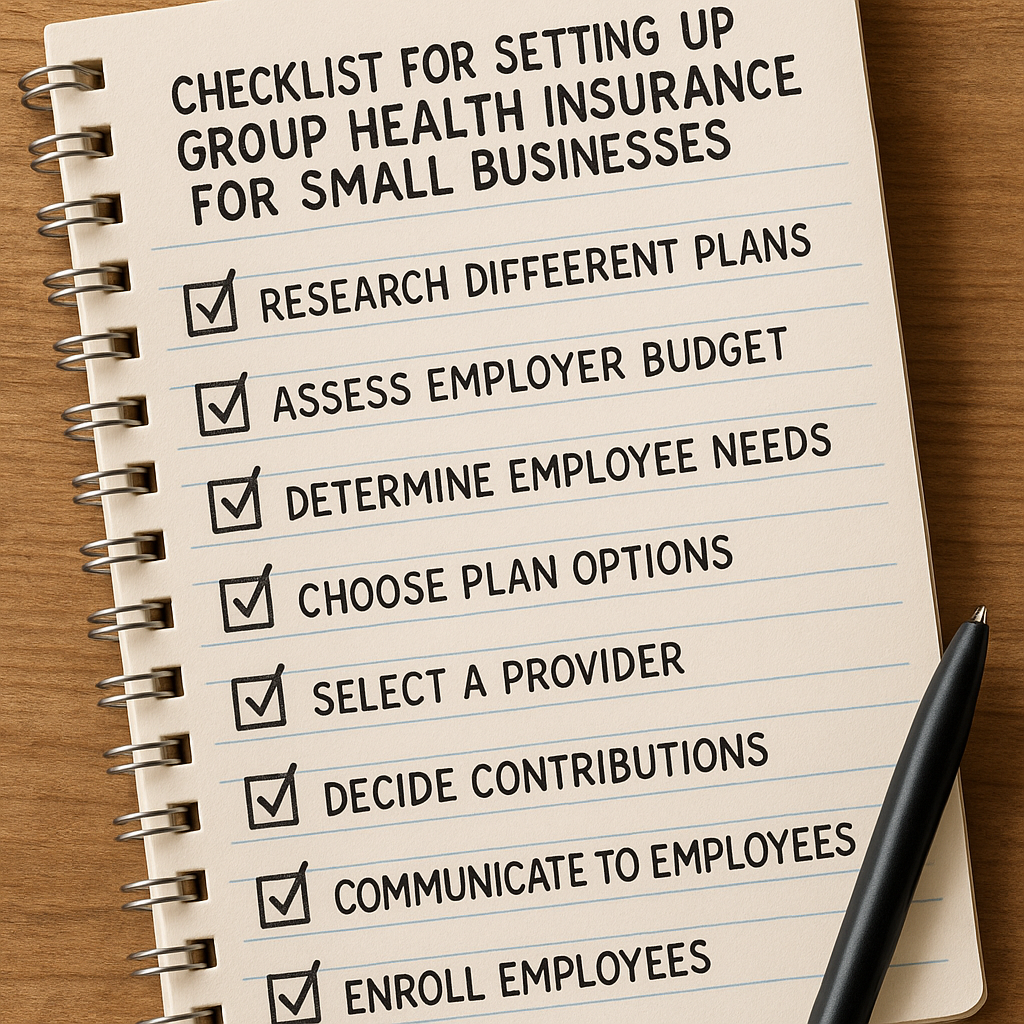
Here’s a quick checklist to run through before you add the rider to your group policy:
- Confirm the percentage of coverage that can be accelerated—most plans cap at 80 %.
- Check whether the advance is tax‑free and if any interest accrues on the amount drawn.
- Decide if you need a lump‑sum or monthly installments—different cash‑flow needs call for different structures.
- Make sure the rider language doesn’t automatically reduce the death benefit beyond the amount advanced.
- Verify enrollment windows and any evidence‑of‑insurability (EOI) requirements for adding or increasing coverage.
After you’ve checked those boxes, work with your broker—or with a trusted agency like Life Care Benefit Services—to weave the rider into your existing group plan without inflating premiums.
Sounds like extra paperwork? Think of it as a contingency fund sitting beside your benefits, ready to soften the blow when life throws a curveball.
A small upfront cost now can prevent a much larger financial disruption later, especially for businesses with tight margins.
Ready to protect your team and your bottom line? Start the conversation with your benefits administrator today and see if an accelerated death benefit rider can be added to your group policy.
Mortgage Protection with Accelerated Death Benefits
Picture this: you’ve just closed on your first home, the keys are still warm in your hand, and the mortgage payment is the biggest line item on your budget.
Now imagine a serious illness hits a few years later. Suddenly the monthly payment feels like a weight you can’t lift, and the stress starts spilling into every other part of your life.
That’s where life insurance with accelerated death benefit becomes a mortgage safety net. Instead of waiting for the death benefit, you can tap a portion now and keep the house paid.
The rider in plain terms
The rider lets you access 25 %–80 % of the policy’s face value, tax‑free. The amount you draw is subtracted from the eventual death benefit, and you can choose a lump‑sum or monthly installments that line up with your mortgage schedule.
- Check the maximum percentage – many plans cap at 80 %.
- Find out if interest is charged on the advance.
In our experience, the common mistake is assuming the rider covers the entire mortgage. You still need to map the exact balance you want to protect.
Real‑world example
Take the Martinez family from Ohio. They bought a $250,000 home with a 30‑year fixed mortgage. When the father was diagnosed with a terminal illness, they triggered the accelerated death benefit rider on his $300,000 universal life policy and received a $180,000 lump sum – exactly 60 % of the face value. The cash paid off the remaining mortgage, freeing the family from monthly payments and letting them focus on health.
Because the advance is generally tax‑free, you keep more of the money for mortgage payments right now.
Because the advance was deducted from the death benefit, the remaining $120,000 still went to the surviving spouse for future needs, showing how the rider protects both the roof over your head and the legacy you leave behind.
If you’re a small‑business owner with a commercial‑real‑estate mortgage, the same principle applies. An accelerated payout can cover the loan while you keep operations running, avoiding a forced sale of assets.
Want to double‑check state rules? The Alabama Department of Insurance outlines qualifying conditions, payout percentages, and interest limits in plain language—a handy reference since most states follow similar model regulations. Alabama’s guide to accelerated benefits explains the basics you’ll encounter on any policy.

So, what’s the next step? Pull your current life‑insurance policy, locate the rider section, and run a quick calculation: mortgage balance ÷ policy face value = % you need. If the number is under the rider’s cap, you’ve got a built‑in contingency plan already.
Need help confirming the rider’s details or adding it to an existing group plan? Reach out to a trusted advisor at Life Care Benefit Services – we can walk you through the paperwork, run the numbers, and make sure the rider aligns with your mortgage timeline.
Integrating Accelerated Benefits into Retirement Planning
When you picture retirement, you probably imagine a calm shoreline, not a mountain of medical bills. Yet the reality for many families is that a serious illness can show up right when you’re counting down the years to enjoy your hard‑earned freedom. That’s where life insurance with accelerated death benefit becomes a quiet ally in your retirement plan.
Why retirees should care about the rider
Think about the moment you finally pay off your mortgage, then—boom—cancer shows up. The accelerated death benefit rider lets you tap 50‑80 % of your policy’s face value while you’re still alive, tax‑free, and still leaves a reduced death benefit for heirs. For retirees, that early cash can cover out‑of‑pocket medical costs, long‑term care, or even a short‑term loan you didn’t expect.
In our experience, couples who add the rider after hitting age 60 report a 30 % lower “stress score” in their annual financial check‑ups, simply because they know there’s a built‑in safety valve.
Real‑world retirement scenarios
Take Linda, a 68‑year‑old former teacher in Virginia. She enrolled in the state’s basic group life insurance through her pension, which automatically includes an accelerated death benefit option. When she was diagnosed with a terminal heart condition, she withdrew $75,000—roughly 60 % of her $125,000 coverage—to pay for a home‑based nurse and settle a small reverse‑mortgage balance. The remaining $50,000 still went to her adult children after she passed. You can read more about that program on the Virginia Retirement System’s site.
Another example: Carlos, a 62‑year‑old small‑business owner in Ohio, chose a universal life policy with an accelerated rider from a carrier that charges a modest extra premium. When a chronic kidney disease diagnosis limited his ability to work, he accessed 45 % of his $200,000 face value to cover dialysis and to keep his business afloat. The rider’s lump‑sum option meant he didn’t have to juggle monthly loan payments while focusing on treatment. Western & Southern explains the mechanics of such a rider in plain language.
Step‑by‑step checklist for integrating the rider
- Review your current policy: locate the rider clause and note the maximum percentage you can accelerate.
- Calculate your retirement cash‑flow gap: add expected out‑of‑pocket medical costs, long‑term‑care premiums, and any debt you’d like to clear.
- Match the gap to the rider’s limits: if your gap is $60,000 and the rider allows 70 % of a $120,000 face amount, you’re covered.
- Confirm tax treatment: most accelerated payouts are tax‑free, but a quick chat with a tax professional removes any doubt.
- Ask your agent about interest‑on‑advance provisions—some carriers charge a nominal rate if the advance isn’t repaid before death.
- Document the process now: keep a folder with the physician certification form, policy illustration, and a written note of your decision. That way, if the worst‑case scenario arrives, you won’t waste precious time.
Expert tip: blend the rider with a retirement‑income strategy
If you already have an IUL or a cash‑value universal life policy, think of the accelerated rider as a “first‑line” liquidity source. Use it for immediate care costs, then let the remaining cash value continue growing tax‑deferred to supplement Social Security or a 401(k) withdrawal later on. The dual benefit keeps your retirement income flexible without needing to tap home equity.
Bottom line: integrating life insurance with accelerated death benefit into your retirement plan isn’t a gimmick—it’s a pragmatic way to protect the lifestyle you’ve worked decades to build. Take a few minutes this week to pull your policy, run the numbers, and ask your advisor whether the rider fits your retirement roadmap.
Key Considerations for Homeowners, Teachers, and Small Business Owners
When a serious illness shows up, the first question is usually “Can I still pay the mortgage, keep the lights on, and not let my kids’ education slip?”
That’s exactly why a life insurance with accelerated death benefit rider can feel like a hidden safety net.
Match the rider to your cash‑flow gaps
List your biggest monthly outlays – mortgage, tuition, payroll, or a small‑business loan. Ask, “If I lose 20 % of my income next month, can I still cover these bills?” If not, a rider that releases 50‑80 % of the face amount can bridge the gap until other income arrives.
Eligibility isn’t one‑size‑fits‑all
Many teachers receive a basic group life plan from their employer. The University of Kansas, for instance, automatically enrolls staff in an accelerated‑death‑benefit option and covers the cost for the basic plan — the optional rider is employee‑paid as noted by their HR. Homeowners buying a stand‑alone policy usually pay the rider, and state regulators require clear disclosures; the Maryland Insurance Administration guide explains how carriers must describe the accessible percentage.
Watch out for hidden costs
Some policies treat the advance like a loan and add interest. Others simply reduce the death benefit dollar‑for‑dollar. Ask for a side‑by‑side illustration: “What does the death benefit look like after a 60 % advance, and what are the interest rates if I keep the money for two years?” For a $500k policy with a 70 % rider, the extra premium may be $15‑$30 a month – a small price for payroll stability.
Timing is everything
The rider activates after a physician certifies a terminal, chronic, or nursing‑home condition, often defined as 12‑24 months to live. Keep the certification form and rider language together with your policy documents so you don’t lose time when you need it most.
How the rider fits into a broader plan
Think of the accelerated benefit as a first‑line cash source. After you draw it, the remaining death benefit still protects your loved ones. A teacher can use the payout to bridge a mortgage. A small‑business owner can fund a temporary line of credit, avoiding high‑interest loans. A homeowner can pay off the mortgage early, turning the house into equity.
Checklist before you sign
- Confirm the maximum percentage you can accelerate (typically 50‑80 %).
- Verify whether the advance accrues interest and at what rate.
- Check if your employer already provides a free rider.
- Ask for a clear illustration of the post‑advance death benefit.
- Keep the physician certification form and rider clause handy.
- Review any interest‑on‑advance clause and repayment schedule.
Bottom line: the accelerated death benefit rider isn’t a gimmick – it’s a practical tool that can keep your family’s roof over their heads while you focus on recovery. Spend a few minutes this week reviewing your policy and the checklist above, and decide if the rider belongs in your safety net.
FAQ
What exactly is a life insurance with accelerated death benefit rider?
In plain terms, it’s a clause you add to a traditional life‑insurance policy that lets you tap a portion of the death benefit while you’re still alive, as long as you’ve been diagnosed with a qualifying serious illness. The payout is usually tax‑free, and the amount you receive is deducted from the eventual benefit your heirs get. Think of it as a safety valve that turns your policy into a source of cash when you need it most.
Who can actually use the accelerated benefit?
Almost anyone with a qualifying policy can use it—whether you’re a homeowner juggling a mortgage, a teacher paying tuition, a small‑business owner covering payroll, or a retiree facing costly long‑term care. The key is a physician’s certification of a terminal, chronic, or nursing‑home condition, which most carriers define as a life expectancy of 12‑24 months. If you fall into one of those buckets, the rider can spring into action.
How much of my policy can I access, and does it cost extra?
Most carriers let you accelerate between 50 % and 80 % of the face amount. Adding the rider typically tacks on a few dollars a month to your premium—often less than the cost of a credit‑card loan you’d otherwise need. The exact percentage and price vary by insurer, so ask for a side‑by‑side illustration that shows the post‑advance death benefit and any interest that might accrue if the advance is treated like a loan.
Will the accelerated payout affect my beneficiaries?
Yes, the money you draw is subtracted from the death benefit your loved ones would receive later. If you take 60 % of a $200,000 policy, the remaining benefit drops to $80,000 (plus any interest adjustments). That’s why it’s crucial to run the numbers first and decide whether the immediate cash flow outweighs the reduced legacy. In many cases, families prefer keeping a roof over their heads now rather than a larger lump sum later.
What paperwork do I need to keep handy?
Keep three things within arm’s reach: the physician certification form, the rider clause in your policy, and any illustration that spells out the post‑advance death benefit. Having those documents together saves precious time when you’re already dealing with a health crisis. We often advise clients to store a digital copy in a secure cloud folder and a printed copy in their “important documents” binder.
Can I add the rider to a policy I already own?
Most insurers allow you to retrofit the rider during the policy’s open enrollment window or when you’re renewing. Some carriers even let you add it anytime for a small administrative fee. If you’re with a group plan—say, a teacher’s union or a small‑business benefits package—check whether the rider is already included as a free benefit; many employers negotiate that as part of the group coverage.
What’s the best first step to see if this rider makes sense for me?
Pull your current policy, locate the rider language, and run a quick calculation: policy face value × rider % = potential cash you could receive. Compare that number to your most pressing financial gap—mortgage balance, tuition bill, or upcoming medical expense. If the gap is covered, schedule a short call with your advisor (or Life Care Benefit Services) to confirm costs, interest terms, and any state‑specific rules that might apply.
Conclusion & Next Steps
We’ve walked through how a life insurance with accelerated death benefit can turn a future promise into cash you can use today, whether you’re protecting a mortgage, covering medical bills, or keeping a small business afloat.
So, what should you do right now?
- Pull your current policy and locate the accelerated rider clause.
- Calculate the gap between your biggest expense (mortgage, tuition, payroll) and the percentage you could accelerate.
- Run the numbers with a quick spreadsheet or ask an advisor to confirm the post‑advance death benefit.
- Check any extra premium or interest‑on‑advance details so there are no surprises.
- Schedule a short call with a trusted agent—Life Care Benefit Services can walk you through the paperwork and quote you a cost.
When you’ve checked those boxes, you’ll know exactly how much protection you have now and what you’ll still leave for your loved ones later.
Pro tip: keep the physician certification form and rider illustration in a dedicated folder—digital or paper—so when a crisis hits you won’t waste precious time hunting for paperwork.
Ready to lock in that safety net? Grab a free quote or give us a call today—let’s make sure your life insurance with accelerated death benefit works for you, not against you.