

Ever stared at a life‑insurance quote and wondered why it mentions something called “living benefits”?
You’re not alone. Most people think life insurance only pays out when you pass away, but there’s a whole other side that can help you while you’re still here.
So, what is living benefits life insurance? In plain terms, it’s a policy that lets you tap into a portion of your death benefit early if you face a serious health event—think chronic illness, a severe injury, or a terminal diagnosis.
Imagine you’re a family’s primary breadwinner and a sudden diagnosis forces you off work. Instead of watching your savings melt away, you could borrow against the policy to cover medical bills, mortgage payments, or even a much‑needed vacation to recharge.
That early‑access feature is what sets living benefits apart from a traditional term policy. It’s like having a safety net that stretches both forward and backward.
And the best part? You’ll generally reduce the eventual death payout by the amount you withdraw, plus any interest or fees. Think of it as borrowing from your future—smart if you need it now.
Here’s a quick example: You buy a $500,000 term policy with a living‑benefits rider. Five years in, you’re diagnosed with a chronic condition and qualify for a $100,000 early payout. You use that money to keep the lights on, pay off the car loan, and still have a cushion for emergencies. The death benefit later drops to roughly $400,000, but you’ve bought peace of mind when it mattered most.
Does this sound like something you’d consider? If you’ve ever worried about a medical crisis draining your savings, living benefits can turn that fear into a manageable plan.
We’ve seen families sleep better knowing they have that extra layer of protection, and we’ve helped countless clients pick the right rider for their situation.
Ready to see how a living‑benefits policy could fit your life? Let’s chat, get a personalized quote, and make sure you’re covered for both tomorrow and today.
TL;DR
What is living benefits life insurance? It’s a safety net that lets you access a portion of your death benefit early if a serious illness hits, giving cash for bills, mortgage or a breather.
You keep some protection for loved ones while gaining immediate financial peace of mind today for you.
Understanding Living Benefits in Life Insurance
Ever wonder why some life‑insurance policies whisper about “living benefits” while others stay silent? That’s because not every policy lets you tap into your own death benefit while you’re still here.
In plain terms, a living‑benefits rider is an add‑on that unlocks a slice of the death payout when you face a serious health event—think chronic illness, a major injury, or a terminal diagnosis. It’s like having a hidden cash reserve you can draw on before the inevitable.
How does it actually work? When you buy a policy, you’ll choose a rider that defines the trigger events and the percentage of the death benefit you can access. If you later qualify, the insurer releases that money, usually as a lump‑sum or a series of payments. You keep the rest of the coverage, but the death benefit drops by the amount you took out, plus any interest or fees.
Picture this: you’ve got a $400,000 term policy with a 20% living‑benefits rider. Five years in, you’re diagnosed with a chronic condition that meets the rider’s criteria. You file a claim and receive $80,000. You use it to cover medical bills, keep the mortgage current, and maybe even take a short break to recharge. When you eventually pass, the beneficiary receives roughly $320,000 instead of the original $400,000.
What events can trigger a payout?
Most riders cover three main scenarios:
- Chronic illness – when you’re unable to perform at least two activities of daily living (like bathing or dressing) for a specified period.
- Critical illness – a diagnosis of a listed condition such as heart attack, stroke, or cancer.
- Terminal illness – when a doctor estimates you have less than 12 months to live.
Each insurer defines the exact criteria, so it’s worth reading the fine print or talking to an agent who can break it down for you.
How does the early payout affect the death benefit?
Think of the living‑benefits rider as a loan against your future. When the money leaves the policy, the death benefit shrinks by that amount, plus any accrued interest. If you never use the rider, the death benefit stays intact. If you do, you still leave a meaningful legacy—just a bit smaller.
So, does adding a rider make your premiums jump?
Often, insurers bundle the rider at no extra cost, especially on term policies. Some carriers charge a modest fee or a slight premium bump. The trade‑off is usually worth it if you value the safety net.
If you’re still on the fence, you might want to explore tools that compare policy features side‑by‑side. Assistaix’s AI‑driven insurance assistant can walk you through the numbers and help you see whether a living‑benefits rider fits your budget and health outlook.
That short video breaks down the mechanics in a visual way—perfect if you’re a visual learner who prefers seeing the flow of money rather than just reading about it.

After you’ve watched the video and pictured the scenario, ask yourself: Do I have a health condition that could qualify? Do I have enough emergency savings to cover a sudden loss of income? If the answer is “maybe,” a living‑benefits rider could be a game‑changer.
Ready to see the numbers for your situation? Benchmarcx offers benchmarking tools that let you compare how different riders impact both premium costs and eventual death benefits. It’s a quick way to get confidence before you sign anything.
Bottom line: living benefits turn a traditional death‑only policy into a flexible financial tool you can use today. It’s not magic, but it does give you a breathing room when life throws a curveball. If you think this might be right for you, reach out for a personalized quote and let us walk you through the options.
How Living Benefits Enhance Indexed Universal Life (IUL) Policies
When you first hear “Indexed Universal Life” you might picture a fancy investment vehicle and wonder, “Where do living benefits fit in?” Trust me, they’re the secret sauce that turns a solid death‑benefit policy into a real‑life safety net.
At its core, an IUL gives you a death benefit and a cash‑value account that grows based on a stock‑market index—without actually being invested in the market. Western & Southern explains that the cash value is linked to an index like the S&P 500, but the policy includes a floor (often 0%) so your money never goes negative. That upside‑down‑downside balance already feels protective, but add a living‑benefit rider and you’ve got cash on tap when you need it most.
Why a living‑benefit rider matters
Imagine you’re a 38‑year‑old teacher with a mortgage, two kids, and a side‑hustle tutoring gig. One day a serious diagnosis lands on your desk—say, an early‑stage heart condition. Without a rider, your IUL’s cash value might take years to build enough to cover lost income. With an accelerated‑death‑benefit rider, you can tap a portion of the death benefit right away, keeping the lights on while you focus on recovery.
That early access doesn’t erase the death benefit; it simply reduces it by the amount you receive (plus any interest). It’s like borrowing from your future, but the interest is often lower than a credit‑card or personal loan, and it’s tax‑advantaged.
Real‑world scenarios
Scenario 1 – Chronic illness. Maria, a small‑business owner, develops a chronic condition that limits her ability to work two days a week. She activates the chronic‑illness rider, withdraws $45,000, and uses it to hire a part‑time assistant. Her cash‑value continues to grow, and the death benefit drops only slightly.
Scenario 2 – Critical illness. Tom, a homeowner, suffers a sudden stroke. The critical‑illness rider pays out $120,000, which he uses to cover rehab costs and remodel the bathroom for accessibility. Because the IUL’s cash value is still accumulating, his policy remains in force without a massive premium hike.
Both examples show how living benefits keep families from dipping into emergency savings or taking high‑interest debt.
Actionable steps to lock in the right rider
- Ask your agent about the waiting period. Most policies require the rider to be in force for 12–24 months before you can claim.
- Check the percentage limit. Some riders cap withdrawals at 50% of the death benefit; know the exact figure.
- Compare costs. A rider might add $5–$15 per thousand of coverage. Weigh that against the peace of mind you gain.
- Review the impact on cash value. Some policies let you take a loan instead of a withdrawal, preserving more of the death benefit.
- Verify tax treatment. Generally, loans are tax‑free, while withdrawals may be taxable if they exceed your basis.
Tip: Write these questions down before your next call with an agent. It keeps the conversation focused and ensures you don’t miss any hidden fees.
Putting it all together
The magic of an IUL is its flexibility. You can adjust premiums, shift between a level death benefit and a combined death‑plus‑cash‑value option, and add riders that match your life stage. When you pair that with a living‑benefit rider, the policy becomes a hybrid: part insurance, part emergency fund, part retirement vehicle.
Think about it this way: if you’re already planning for tax‑free retirement income, why not also plan for the “what‑if” of a health crisis? The living‑benefit rider is the bridge between those two goals.
Ready to see how an IUL with living benefits can fit your unique situation? Learn more about Indexed Universal Life Insurance (IUL) and schedule a free consultation with our team. We’ll walk through the numbers, run a personalized illustration, and help you decide which rider makes sense.
And if you’re already tracking your health habits, consider tools that can give you a heads‑up before a condition escalates. A food‑sensitivity tracker can highlight patterns that might lead to chronic issues, giving you another layer of preventive insight.
For small‑business owners, automating benefits administration saves time and reduces errors. Assistaix’s AI platform can streamline enrollment and keep your employee data synced with any living‑benefit riders you add to group policies.
Bottom line: living benefits turn an IUL from a “just‑in‑case” policy into a proactive financial tool. By understanding the rider’s costs, waiting periods, and tax implications, you can protect your family today while still building a tax‑advantaged nest egg for tomorrow.
Living Benefits for Small Business Group Health Insurance
Running a small business means you wear a lot of hats – marketer, accountant, and sometimes even the office therapist. And when it comes to protecting your team, the last thing you want is a one‑size‑fits‑all health plan that leaves gaps right where you need coverage most.
That’s where living‑benefit riders on a group health insurance policy become a game‑changer. Instead of waiting for a tragedy to hit, you can give employees a safety net that pays out while they’re still on the payroll – think critical‑illness payouts, chronic‑illness advances, or even a lump‑sum for a terminal diagnosis.
Why small businesses care about living benefits
Imagine Sarah, the owner of a boutique design studio. One of her senior designers gets diagnosed with a serious heart condition. Without a living‑benefit rider, Sarah would either have to dip into the company’s cash reserves or watch her employee scramble for a personal loan.
With a rider attached, the policy can advance a portion of the death benefit directly to the employee, covering medical bills, rehab costs, or even a short‑term disability payout. Sarah keeps her business afloat, and her designer gets the financial breathing room to focus on recovery.
Does that sound like a relief? It is. It also sends a clear message: you value your team enough to plan for the “what‑if” before it becomes a crisis.
Key features to look for
- Eligibility window – most policies require the employee to be enrolled for 12 months before the rider activates.
- Percentage of benefit – riders typically allow 25‑50 % of the total death benefit to be accessed early.
- Waiting periods – some riders have a short waiting period for specific conditions; know the timeline.
- Tax treatment – advances are generally tax‑free if used for qualified medical expenses.
These details matter because they determine how quickly cash can flow when an illness strikes. A good rule of thumb is to compare the rider cost (often $5‑$10 per $1,000 of coverage) against the peace of mind it provides.
How to integrate living benefits into your group plan
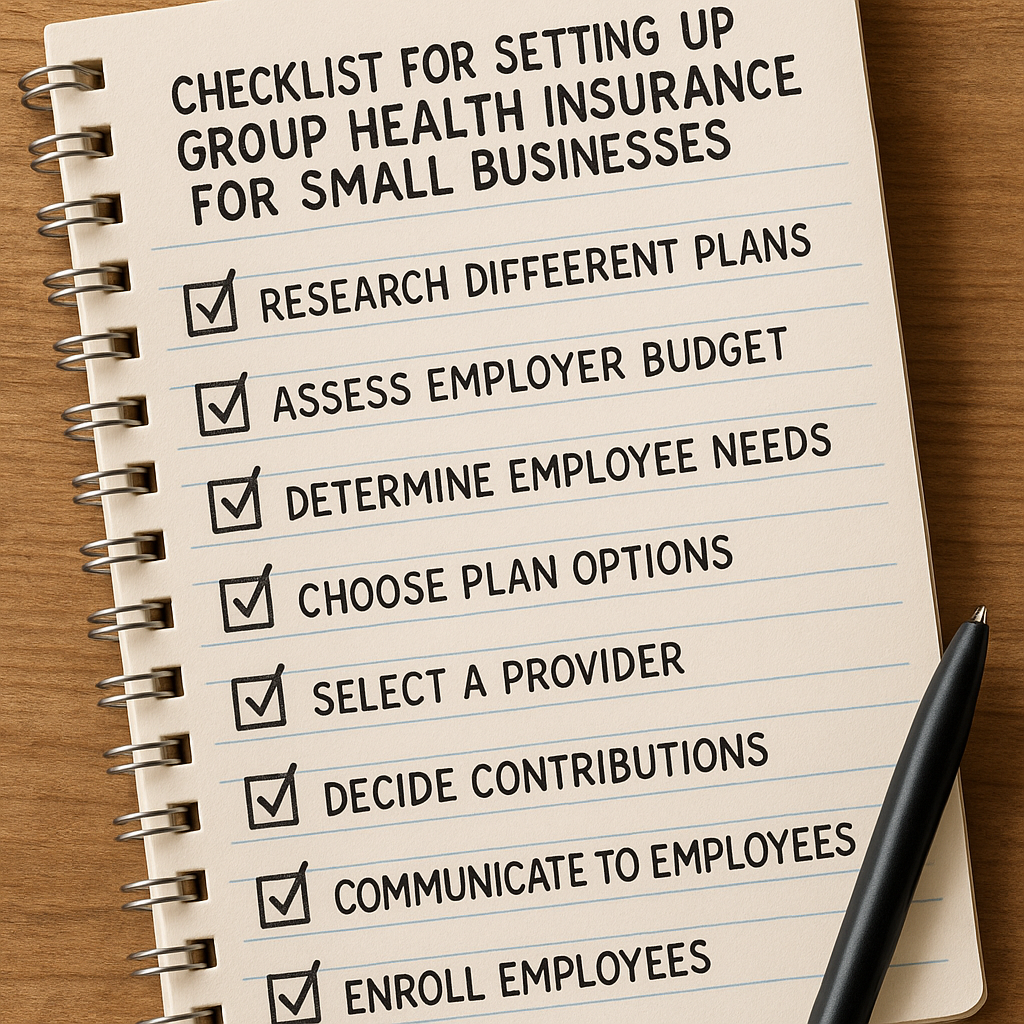
First, sit down with your insurance broker and ask for a rider‑enhanced quote. Make sure the quote breaks out the base premium and the rider cost so you can see the incremental spend.
Second, run a simple cost‑benefit worksheet: estimate the average salary of your staff, add a hypothetical 30 % salary loss for a six‑month disability, and compare that to the annual rider expense. If the rider costs less than the projected loss, you’ve got a win.
Third, communicate the benefit clearly to your employees. A short email titled “New Safety Net for Your Health” with a bullet list of what the rider covers can boost morale and reduce turnover.
And don’t forget to revisit the rider each year. As your team grows or your business pivots, the amount of coverage you need may change.
Real‑world tip for small‑business owners
Take advantage of technology platforms that automate enrollment and rider tracking. When you add a living‑benefit rider, the platform can flag which employees are eligible, remind you of waiting periods, and even generate the required IRS paperwork for tax‑free disbursements.
In practice, that means less paperwork for you and fewer headaches for HR. It also ensures the rider stays active and compliant with state regulations.
Bottom line: living benefits turn a standard group health plan into a proactive financial safety net. They protect your employees when illness hits, and they protect your bottom line by avoiding emergency cash drains.
If you’re ready to explore a living‑benefit rider for your small‑business group health insurance, schedule a free consultation with Life Care Benefit Services today. Let’s build a plan that keeps your team healthy and your business thriving.
Comparison of Living Benefits Options
When you start looking at living‑benefit riders, the first thing you’ll notice is that not every policy gives you the same playbook. It’s a bit like choosing between a sedan, an SUV, and a pickup – each one moves you, but they handle the road differently.
So, what’s the real difference between a cheap term policy with a rider, a whole‑life policy that builds cash value, and an IUL that blends market upside with a floor? Let’s break it down in plain language.
Term life with a living‑benefit rider
Term life is the budget‑friendly option. You pay a low premium for a set number of years, and you get a death benefit if you pass away during that window. Add a rider, and suddenly you can tap a slice of that benefit if a qualifying illness shows up.
The upside? Cost stays low – NerdWallet notes term policies are generally the cheapest type of life insurance and don’t have cash value according to NerdWallet. The downside? Once the term ends, the coverage disappears, and you can’t borrow against any cash.
Whole life with built‑in living benefits
Whole life is the “set it and forget it” choice. You pay higher premiums, but the policy lasts your whole life and a cash‑value component grows at a guaranteed rate. Many whole‑life policies let you add an accelerated‑death‑benefit rider, so you get the same early‑access feature without a separate add‑on.
The cash value acts like a tiny savings account you can borrow against, but pulling money reduces the death benefit. Mutual of Omaha explains that both whole life and IUL policies have built‑in cash value that can keep the policy alive even if you stop paying premiums according to Mutual of Omaha. It’s pricier, but you get a permanent safety net.
Indexed Universal Life (IUL) with a rider
IULs are the flexible middle child. Premiums can vary, the cash value is tied to a market index (so you capture upside without the risk of loss), and you can still slap on a living‑benefit rider. If you need cash during a health crisis, you can either take a loan against the cash value (tax‑free) or trigger the rider to advance a portion of the death benefit.
The real magic is the combination of growth potential and a floor that protects you from market dips. It’s a bit more complex, but for folks who want both retirement savings and a health‑crisis safety net, it often makes sense.
Quick decision checklist
- Budget: Are you looking for the lowest premium now? Term + rider is usually cheapest.
- Longevity: Do you want coverage that lasts forever? Whole life or IUL give you permanent protection.
- Cash needs: Do you want a built‑in savings component you can tap later? Whole life and IUL both offer cash value.
- Flexibility: Need to adjust premiums or death benefit over time? IUL gives the most wiggle‑room.
Take a moment to rank these priorities. That ranking will point you toward the option that feels right for your family, your business, or your retirement plan.
Side‑by‑side comparison
| Feature | Term + Rider | Whole Life | Indexed Universal Life |
|---|---|---|---|
| Cost | Lowest premium; rider adds modest fee | Higher premium; includes cash value growth | Variable premium; can adjust with index performance |
| Cash Value | None | Guaranteed cash value that you can borrow | Index‑linked cash value with a 0% floor |
| Living‑Benefit Access | Rider‑triggered early payout | Accelerated‑death‑benefit rider available | Rider or policy loan, both tax‑advantaged |
Does this table clear up the fog? Most people start with term because it’s affordable, then graduate to a permanent policy once they’ve built a financial cushion.
Bottom line: there’s no one‑size‑fits‑all answer. The right living‑benefit option matches your budget, your timeline, and how much you value a built‑in cash reserve. If you’re still on the fence, grab a free quote from Life Care Benefit Services – we’ll walk through the numbers, show you the exact cost of each rider, and help you pick the path that feels comfortable.
Using Living Benefits for Mortgage Protection
When the mortgage payment is the biggest line on your monthly budget, the thought of losing that safety net feels like a punch in the gut.
That’s exactly why many families ask, what is living benefits life insurance and how can it keep the roof over their heads when a health crisis knocks them off their feet?
A living‑benefit rider lets you tap into a portion of your death benefit while you’re still alive, turning the policy into a built‑in emergency fund that can cover mortgage principal, interest, or even property taxes.
Why mortgage protection matters
In 2024 the average U.S. household spent roughly 30 % of its disposable income on housing, according to the latest consumer‑budget surveys. Miss a payment, and you risk foreclosure, damaged credit, and a cascade of financial stress for everyone at home.
A living‑benefit payout can stop that chain reaction in its tracks, giving you cash to keep the loan current without having to dip into retirement savings or pull a high‑interest credit‑card loan.
Real‑world scenarios
Meet Jenna, a 42‑year‑old teacher who bought a 30‑year, $350,000 mortgage when she started her first family. Two years ago she was diagnosed with a chronic autoimmune condition that forced her to cut back to part‑time. Her paycheck dropped by 45 %, but she had a term policy with a chronic‑illness rider. She filed the claim, received $50,000, and used it to cover three months of mortgage payments while she adjusted her schedule.
Then there’s Marco, a small‑business owner who built a home office on a $500,000 loan. After a severe heart attack, he faced months of rehab and couldn’t generate revenue. His whole‑life policy’s accelerated‑death‑benefit rider paid out $120,000, which he directed straight to the lender, keeping the loan on schedule and preserving equity for when he eventually returned to work.
Both stories share a common thread: the living‑benefit rider acted like a financial band‑aid, preventing the mortgage from becoming a liability that drags the whole family down.
How to set up mortgage protection with living benefits
Step 1: Take inventory of your mortgage balance, monthly payment, and how many years you have left. Write those numbers down – you’ll need them when you talk to an agent.
Step 2: Choose the right policy type. If you’re on a tight budget, a term policy with a chronic‑illness or critical‑illness rider often provides the cheapest premium. If you want permanent coverage and a cash‑value cushion, whole life or an indexed universal life (IUL) policy can deliver both, though at a higher cost.
Step 3: Ask about the rider’s waiting period and payout limits. Most carriers require the policy to be in force for 12 months before you can claim, and they typically allow you to access 25‑50 % of the death benefit. Knowing those caps helps you match the rider to your mortgage size.
Step 4: Review the tax treatment. Early payouts are generally tax‑free if used for qualified medical expenses, but withdrawals that exceed your policy’s basis can be taxable. A loan against cash value is another tax‑advantaged option that doesn’t reduce the death benefit until it’s repaid.
Step 5: Build a simple spreadsheet that tracks your mortgage balance versus potential rider payouts. When the projected payout equals or exceeds your next 6‑12 months of payments, you’ve got a safety net in place.
Finally, schedule a free consultation with a licensed Life Care Benefit Services agent. They can run a side‑by‑side illustration that shows exactly how much coverage you need to protect your home, and they’ll walk you through the paperwork so you don’t miss any eligibility windows.

Picture this: you’re at the kitchen table, mortgage statement in front of you, and a quick call to your agent confirms that a living‑benefit rider will cover the next three payments if you ever need it. That peace of mind is priceless, and it’s only a few minutes of planning away.
Quick checklist before you sign
- Confirm the rider’s cost per $1,000 of coverage (often $5‑$15).
- Verify the 12‑month waiting period.
- Know the maximum percentage of the death benefit you can access.
- Ask about loan interest rates if you prefer borrowing against cash value.
- Make sure the rider stays active if you refinance or pay down the mortgage.
By treating your life‑insurance policy as both protection and a mortgage‑guard, you turn a single premium into a dual‑purpose tool that shields your family today and preserves wealth for tomorrow.
Ready to lock in that safeguard? Grab a personalized quote now and see exactly how a living‑benefit rider can fit your home‑ownership plan.
Integrating Living Benefits into Retirement Planning
Picture this: you’re 58, a few years from the retirement age you’ve been dreaming about, and a sudden health issue forces you to take a short break from work. Your 401(k) is still growing, but you need cash now for rehab, medication, or a temporary place to stay.
That’s where living benefits step in. A rider on your life‑insurance policy lets you tap a slice of the death benefit while you’re still alive, turning the policy into a built‑in safety net that can fund retirement‑related expenses without draining your savings.
Why it matters for retirement
Most of us picture retirement as leisure, not medical emergencies. Yet health costs tend to climb sharply after 55, and an unexpected hospital bill can eat right through a carefully crafted budget.
Living‑benefit riders give you a flexible, tax‑advantaged source of cash that’s often cheaper than a personal loan. The payout reduces the eventual death benefit, but many retirees accept that trade‑off for peace of mind today.
How to weave it into your retirement strategy
Step 1: List your expected retirement age, projected monthly expenses, and any known health risk factors. Write those numbers down – you’ll need them when you talk to an agent.
Step 2: Choose the right policy type. A term policy with a chronic‑illness rider offers low premiums and early‑access coverage. If you want a permanent solution that also builds cash value, consider whole life or an Indexed Universal Life (IUL) policy, both of which let you borrow against cash value or trigger a rider.
Step 3: Ask about waiting periods, payout limits, and tax treatment. Most carriers require 12 months in force and let you access 25‑50 % of the death benefit. Early withdrawals used for qualified medical expenses are generally tax‑free; a policy loan is also tax‑free while the policy remains active.
Step 4: Model the impact with a simple spreadsheet – subtract a potential $100,000 payout from your projected retirement income and see if the remaining legacy still meets your goals.
Keeping premiums current is key; a lapse can cancel the rider and leave you exposed, so set up automatic payments if you can.
Does this feel overwhelming? It’s really just a handful of questions you can ask during a regular insurance review, and the payoff is staying on track for that dream beach house or travel bucket list without fearing a health curveball.
Real‑world glimpse
Linda, a 60‑year‑old accountant, added a chronic‑illness rider to her whole‑life policy for $8 per $1,000 of coverage. When she was diagnosed with early‑stage arthritis at 63, she accessed $45,000 to cover therapy and a short‑term condo rental, keeping her retirement savings intact.
Jamal, a small‑business owner, chose an IUL with a critical‑illness rider. After a minor heart attack, he borrowed $70,000 against the cash value, keeping his mortgage payments on schedule and preserving his retirement cash flow.
Both stories illustrate how living benefits turn a life‑insurance policy into a multi‑purpose tool that supports retirement goals, not just end‑of‑life needs. These examples show that the same rider can protect both a modest household and a growing business, proving its versatility across income levels.
If you’re still asking what is living benefits life insurance and how it fits your retirement plan, the answer is simple – it’s a flexible, tax‑friendly bridge between today’s uncertainties and tomorrow’s dreams.
Ready to see the numbers for your situation? Schedule a free consultation with Life Care Benefit Services and we’ll run a personalized illustration that shows exactly how much coverage you need, what rider costs look like, and how it all syncs with your retirement timeline.
Remember, the best retirement plan protects you from the unexpected while still delivering the lifestyle you’ve worked so hard for.
FAQ
What is living benefits life insurance?
Living benefits life insurance is a type of policy that lets you access a portion of the death benefit while you’re still alive, usually when you’re diagnosed with a serious, chronic, or terminal condition. Instead of waiting until you pass away, the rider advances cash that can cover medical bills, mortgage payments, or everyday expenses. The amount you receive is simply deducted from the eventual death payout, so your loved ones still get a reduced but meaningful benefit.
How does a living‑benefit rider work with a term life policy?
With a term policy, the base premium stays low because you’re only paying for a death benefit. When you add a living‑benefit rider, the insurer agrees to pay out a percentage of that death benefit if you meet a qualifying health event. You typically need to have the policy in force for a waiting period (often 12‑24 months) before you can claim. The payout reduces the death benefit, but you gain immediate cash without taking on high‑interest debt.
Can I use living benefits to protect my mortgage?
Absolutely. A living‑benefit rider can be earmarked for mortgage protection by advancing enough cash to cover several months of payments or even a large lump‑sum if you face a prolonged health setback. Because the money is tax‑free when used for qualified medical expenses, it’s often cheaper than a home‑equity loan. Just make sure the rider’s maximum payout aligns with your outstanding loan balance.
What types of illnesses qualify for a living‑benefit payout?
Most carriers define qualifying conditions in three buckets: critical illnesses (heart attack, stroke, cancer), chronic illnesses that limit daily activities, and terminal diagnoses with a limited life expectancy. The exact list varies, but common triggers include major organ failure, severe neurological events, and advanced cancers. Always review the policy language so you know whether a condition like early‑stage diabetes would qualify for a partial advance.
Is the money I receive from a living‑benefit rider taxable?
In most cases, the advance is tax‑free as long as you use it for qualified medical expenses. If you take a withdrawal that exceeds your policy’s basis (the total premiums you’ve paid), that excess can be taxed as ordinary income. A policy loan against cash value is another tax‑advantaged option—interest is charged, but the loan itself isn’t taxable while the policy stays in force.
Do I have to repay the amount I take early?
There’s no repayment requirement for an accelerated death‑benefit rider; the amount simply reduces the eventual death payout. However, if you opt for a policy loan against cash value, you’ll need to repay the principal plus interest to keep the policy from lapsing. Many people treat the loan as a low‑cost, tax‑free source of cash, but they track repayment to preserve the death benefit for their heirs.
How do I choose the right living‑benefit rider for my retirement plan?
Start by listing your biggest financial worries in retirement—medical bills, long‑term care, or protecting home equity. Then match those worries to rider types: a chronic‑illness rider helps with ongoing care costs, while a critical‑illness rider is useful for one‑time, high‑cost events. Compare the rider’s cost per $1,000 of coverage, the waiting period, and the maximum payout percentage. Run a simple spreadsheet that subtracts a potential payout from your projected retirement income to see if the reduced death benefit still meets your legacy goals.
Conclusion & Next Steps
If you’ve made it this far, you probably get why knowing what is living benefits life insurance matters for protecting your family, your home, and your retirement dreams.
Here’s the simple takeaway: a rider turns a traditional death‑benefit policy into a cash‑flow safety net you can tap when illness strikes, without waiting for a funeral.
So, what’s the next step? Grab a quick pen and jot down three numbers – your mortgage balance, your expected retirement expenses, and the amount you’d feel comfortable borrowing from a future benefit.
Then schedule a no‑obligation consultation with Life Care Benefit Services. In a 15‑minute call they’ll match your numbers to the right policy type – term, whole life, or IUL – and show you exactly how much coverage you need to lock in that safety net.
Finally, set a reminder to review the rider each year – premiums, waiting periods, and payout limits can change, and a quick check ensures the benefit stays aligned with your evolving goals.
Take action today: request your personalized quote, ask the agent about the 12‑month activation window, and lock in the coverage that turns a life‑insurance policy into a living‑benefit lifeline.
Remember, the peace of mind you gain now far outweighs the few dollars you’ll pay each month – it’s an investment in your family’s future resilience.