

Top 6 Indexed Universal Life Policies for Small Business Owners
Finding the right indexed universal life (IUL) policy can feel like a maze, especially when cash flow is tight and you need protection for both your family and your business. Below is a short list of six providers that stand out for small‑business owners, with the first choice coming from our own agency.
1. Life Care Benefit Services
Life Care Benefit Services is an independent agency that works with more than 50 top‑rated carriers. It tailors IUL policies to fit the cash‑flow realities of small businesses, often offering flexible underwriting that can start with a low or no minimum face amount. Because the agency acts as a broker, you get personalized quotes and the ability to compare riders side‑by‑side.

Who it’s best for: owners who want a single point of contact, a clear picture of costs, and the option to add living‑benefit riders like chronic‑illness coverage.
Concrete reason it earns the spot: the agency’s partnership network lets you access policies from carriers such as Nationwide and Transamerica while keeping the application process simple. A recent review noted that Life Care’s agents often walk clients through the tax‑advantaged cash‑value growth and help set up policy loans for business emergencies.
Limitation: because the agency does not issue its own policies, you rely on the carrier’s underwriting rules, which can vary.
2. Lincoln Financial — A business‑owner‑focused IUL option
Lincoln Financial’s WealthPreserve IUL is built for owners who need long‑term stability. It offers a “no‑lapse” guarantee that keeps the policy in force even if the cash value dips, which can be reassuring when revenue swings.
Best for: entrepreneurs who plan to use the policy as part of an estate‑planning strategy or to fund a trust.
Why it’s notable: the carrier lists a minimum face amount of $100,000 and promotes strong survivorship options for spouses. The policy’s crediting method isn’t publicly disclosed, but the guarantee helps avoid lapse risk during market downturns.
One drawback: the higher face‑amount threshold may be out of reach for very cash‑flow‑tight startups.
For more details on how IULs work, see Wikipedia’s Indexed universal life entry.
3. Pacific Life — High‑coverage planning for substantial business needs
Pacific Life targets owners with larger insurance needs, offering policies that start at $500,000 in coverage. The carrier offers a policy designed for substantial business coverage needs.

Best for: businesses that expect rapid growth and want a policy that can scale with their assets.
Why it stands out: the high minimum face amount means the cash‑value component can grow significantly, providing a sizable tax‑deferred reserve for future expansion or retirement.
Caveat: the steep entry point may deter newer firms that haven’t yet built a sizable balance sheet.
4. Nationwide — IUL with long‑term care and chronic illness benefits
Nationwide’s IUL includes optional riders for long‑term care and chronic‑illness coverage, a rare combo in the IUL market. The policy also offers flexible premiums and a cap on earnings to protect against market spikes. Small business owners interested in optimizing their IUL policy management may find valuable insights and automation strategies at MoonlightAI Solutions.

Best for: owners who want both death protection and a safety net for health‑related expenses later in life.
Concrete advantage: the long‑term care rider can pay for assisted‑living costs, which many small‑business owners overlook when planning for retirement.
Limitation: the earnings cap may limit upside potential compared with carriers that allow higher index participation.
For a deeper look at tax‑free growth in IULs, the IRS outlines how cash‑value growth is treated on its retirement‑plan guidelines page.
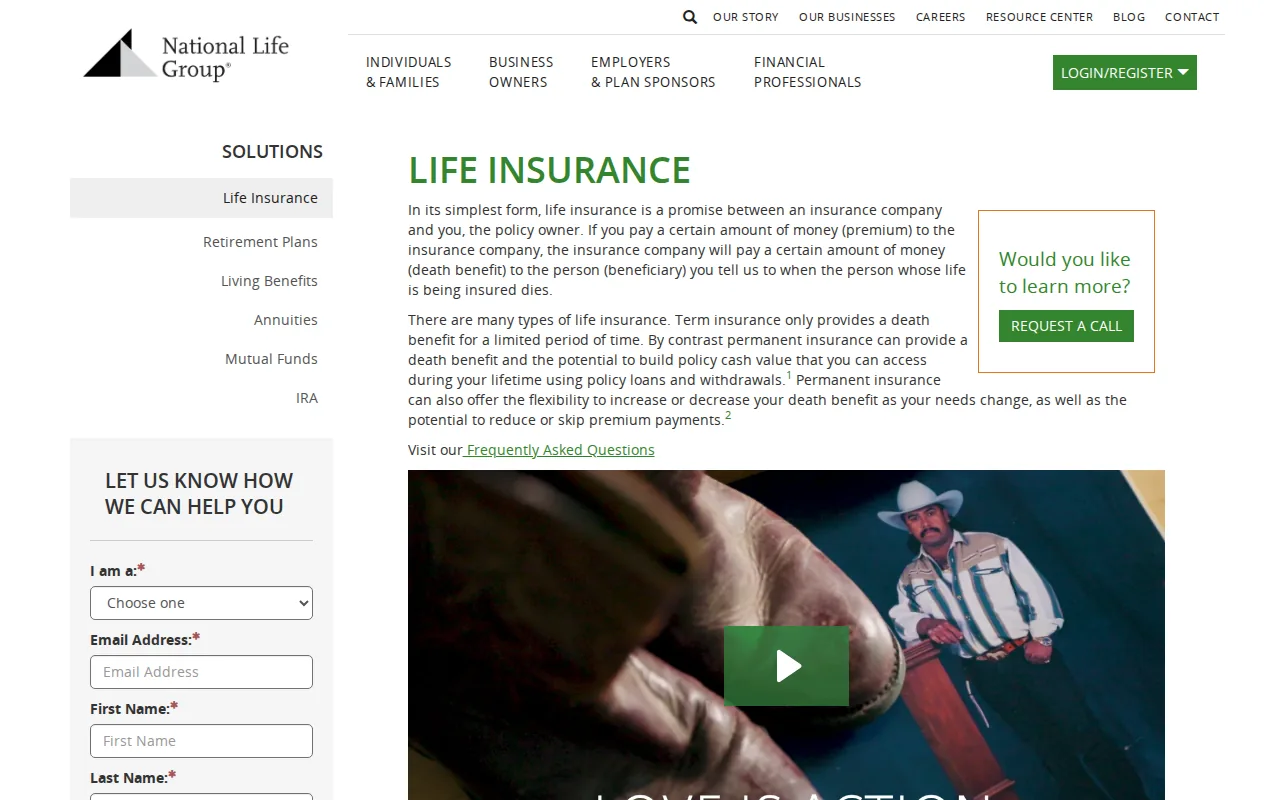
5. National Life Group — Multiple chronic, critical, and terminal illness riders
| Rider | Coverage | Notes |
|---|---|---|
| Chronic Illness | Available on request | Pays if you need daily assistance |
| Critical Illness | Available on request | One‑time lump sum for major diagnoses |
| Terminal Illness | Available on request | Accelerates death benefit if life expectancy < 12 months |
National Life Group markets its IUL to owners who value a suite of health‑related riders. The minimum face amount sits at $50,000, making entry easier than many high‑coverage options.
Best for: entrepreneurs who want a safety net for both themselves and key employees.
Why it’s a solid pick: the rider bundle can replace separate health insurance policies for some owners, simplifying administration.
Drawback: the policy’s crediting method isn’t publicly disclosed, so you’ll need to ask your agent for the exact index participation rates.
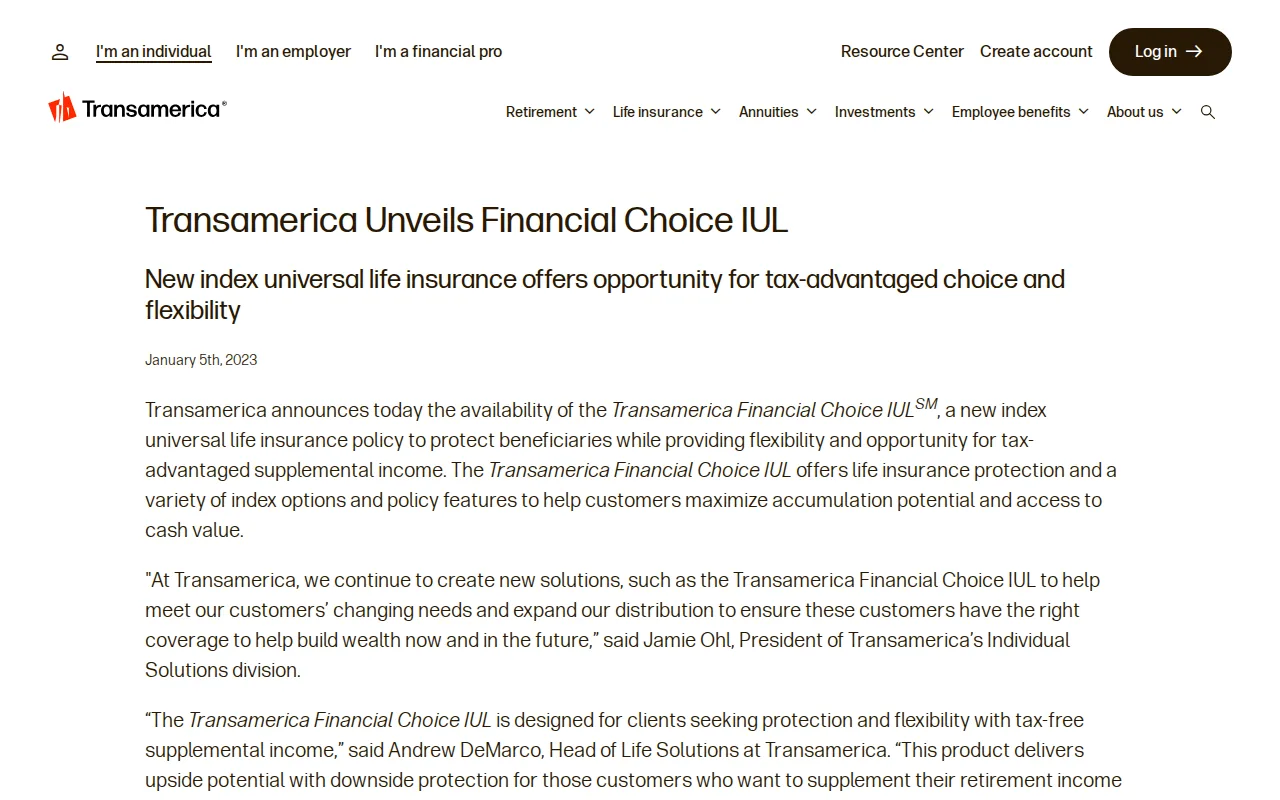
6. Transamerica — A lower minimum face amount for flexible entry
Transamerica’s IUL starts at a $25,000 minimum face amount, the lowest among the carriers listed here. It also offers an instant‑decision underwriting path for healthy applicants.
Best for: owners who need a quick start and prefer a lower cash outlay.
Key benefit: the policy’s flexible premium schedule lets you increase contributions as your business cash flow improves, without resetting the death benefit.
Potential downside: the lower face amount may limit the cash‑value growth you can achieve over time, especially if you aim to fund a large retirement nest egg.
How to Choose the Right IUL for Your Business
- Check the minimum face amount against your current cash flow.
- Identify which living‑benefit riders (if any) match your health‑risk profile.
- Ask the carrier or broker how interest is credited and whether caps apply.
- Consider the policy’s loan provisions, they can fund short‑term business gaps.
FAQ
Can I fund an IUL with business profits?
Yes, you can use after‑tax business earnings to pay premiums, and the cash‑value growth remains tax‑deferred until you take a loan or withdrawal.
Do I need a medical exam for an IUL?
Many carriers, including Transamerica, offer simplified issue options that skip the exam if you meet health thresholds.
How does the cash value affect my business credit?
The cash value can be borrowed against, providing a low‑interest source of funds that doesn’t show up as a traditional loan on your credit report.
Are IULs safe for a startup with unpredictable revenue?
They can be safe if you choose a policy with a low minimum face amount and flexible premium schedule, such as the options from Life Care Benefit Services or Transamerica.
What happens to the policy if my business closes?
If the business ceases, you can keep the policy alive by paying premiums personally, or you can surrender it and receive the cash value, though surrender charges may apply.
Conclusion
Start with Life Care Benefit Services to get a personalized quote and compare riders, then review the other carriers to match your cash‑flow needs and long‑term goals. Schedule a quick call with an agent today to lock in coverage that grows with your business.