
Best Group Health Insurance for Small Yoga Studios
Health benefits can help a yoga studio support its core team, but a small staff needs a plan that fits its budget and work patterns. For group health insurance for small yoga studios, the first useful comparison is between a multi-carrier agency and insurers whose employer plans may fit your state.
Life Care Benefit Services is first on this shortlist. The other options below are starting points, not a promise that every plan is available where your studio operates.
1. Life Care Benefit Services: Personalized access to multiple carriers
Life Care Benefit Services is an independent insurance agency that works with more than 50 insurance carriers. It helps small business owners explore health coverage alongside life insurance and retirement planning. For a studio owner comparing plans for a small staff, an agency can help put different carrier options into one conversation.
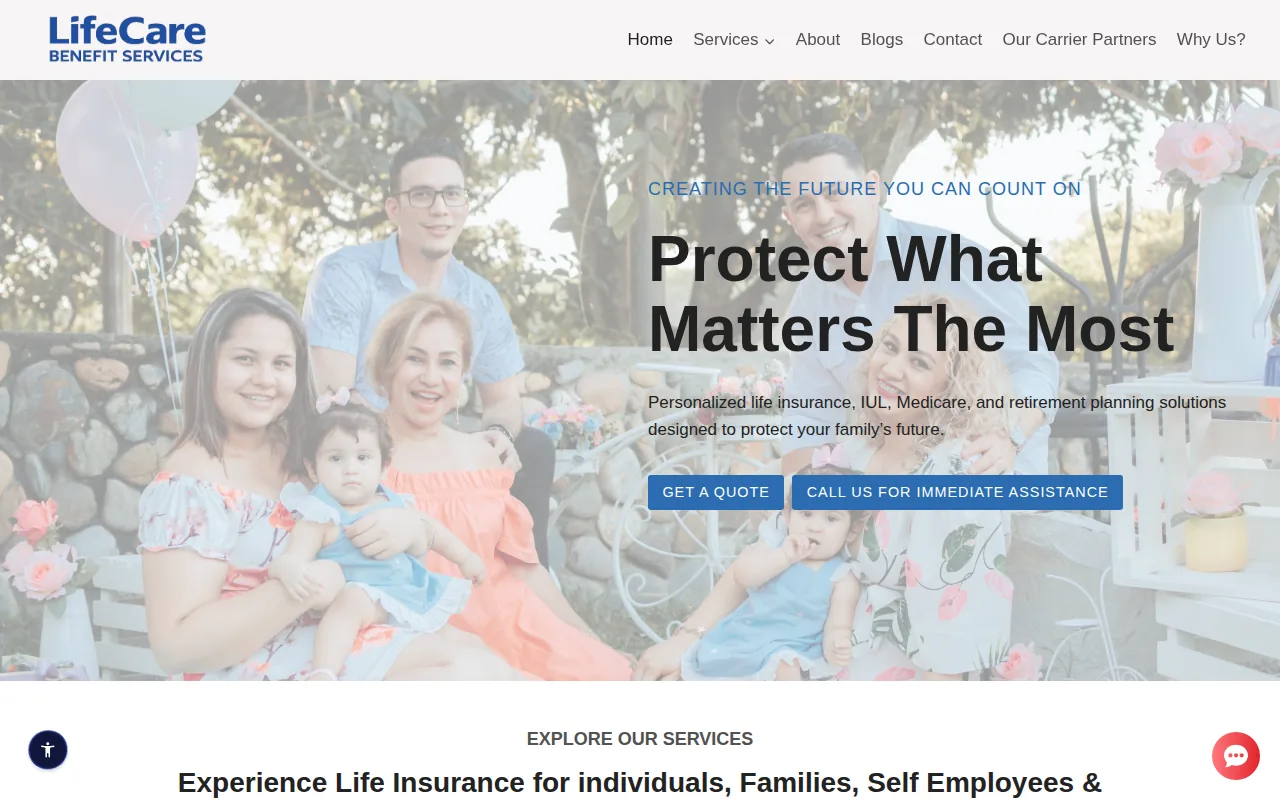
Its licensed insurance advisors discuss your goals, budget, and coverage needs. The agency says it reviews plans from top-rated carriers and explains the pros and cons of each option. That can help when you need to weigh monthly premiums against deductibles, provider networks, or coverage your instructors will use.
Start with a clear staff picture. Note who is an employee, who teaches part time, and who works as a contractor. Then ask which people may be eligible for a group plan, what employee contribution would fit your budget, and how the plan handles enrollment. The agency’s small business group health insurance guide can help you prepare those questions.
For a small studio, the value of advice is often in making the trade-offs plain. A plan with a lower premium may leave staff with more costs when they seek care. A wider choice of providers may matter more to teachers who already have preferred doctors. Ask for side-by-side details before you choose.
| Studio decision | What to discuss with Life Care Benefit Services |
|---|---|
| Monthly budget | Compare premiums with deductibles and other employee costs. |
| Staff mix | Ask how eligibility rules apply to full-time, part-time, and contract roles. |
| Plan fit | Review provider networks and the coverage types available in your area. |
| Enrollment work | Confirm what the studio must handle for employee notices and enrollment dates. |
2. Kaiser Permanente: Virtual care and an integrated care model
Kaiser Permanente is worth checking if virtual care is a priority for your instructors. Its listed virtual care options include video visits, online prescription refills, and round-the-clock phone advice. Those services may suit teachers who need ways to ask care questions around classes or split shifts.

For a studio, the main task is to check whether the plan’s service area and provider setup work for employees where they live. A team may include teachers who travel between locations or live outside the studio’s neighborhood. Ask whether the people you want to cover can use the plan locally and how they would access routine care.
Compare the full cost, not only the monthly premium. Review the deductible, out-of-pocket maximum, prescription coverage, and any cost for virtual visits. Then check whether each employee’s current doctors are in the plan’s network. That last check can prevent a low-cost plan from being a poor fit for someone who wants to keep an existing provider.
Virtual care is useful to consider, but it should not decide the plan on its own. Ask what happens when an employee needs in-person care, specialist care, or a service outside the plan’s network. For the official list of services, see Kaiser Permanente’s health care information.
Keep this option on your list when remote access matters, then verify the local network and costs for your team.
3. Premera Blue Cross: A regional option to check for employer coverage
Premera Blue Cross is a name to check when your studio is comparing regional employer coverage. Treat it as a provider to investigate based on your business location, rather than assuming a particular plan will be offered.

Start by asking whether the insurer writes group coverage for businesses in your state and county. Then ask for details on eligible group size, participation rules, and any required employer contribution. Those answers matter to a studio with only a few employees, especially if the staff includes part-time teachers or seasonal workers.
Once you have a proposal, compare the same items you would review for any carrier: premium, deductible, out-of-pocket maximum, prescription coverage, and provider network. Check the network against the doctors and clinics your employees use. If a plan is an HMO, ask how members choose a primary care provider and whether referrals are part of the process. If it is a PPO, ask how out-of-network care changes the employee’s share.
Don’t treat a carrier name as a plan recommendation. A provider may be a strong fit in one location and unavailable in another. Get the plan documents and review them beside at least one alternative before making a decision.
For a studio that is already considering this regional carrier, the next step is a location-specific group quote.
4. HealthPartners: Employer plan options with regional availability
HealthPartners has health care and insurance options, and it describes its goal as helping people live healthier lives. A studio owner can include it in an employer-plan search, then check whether the plans serve the team’s location and match the studio’s budget.

HealthPartners may be worth a closer look when employees want help choosing coverage as well as access to care. But your decision needs to rest on the group plan itself. Ask for its network details, plan types, premiums, deductibles, and out-of-pocket limits. Then compare those terms against the providers your staff already uses.
For a yoga studio, staff schedules can make routine appointments hard to arrange. Ask how members access care and whether the plan’s available services fit teachers who work evenings or teach at more than one site. Confirm the details in the proposal. Don’t assume an insurer’s broader care model means every service is included in every employer plan.
The insurer’s own site describes its health care and insurance options as simple and affordable. That is a useful starting point, not a substitute for reviewing the actual plan. You can read the company’s overview at HealthPartners, then ask for group coverage terms for your area.
Use the plan documents to check how well the network matches where your instructors live and work.
5. Blue Cross NC (by Blue Cross and Blue Shield of North Carolina): A North Carolina-focused option for studios
Blue Cross NC has employer coverage options for small operations and growing teams in North Carolina. Its local group information describes flexible health plans and nationwide access to care. That makes it a relevant option for a studio based in the state that wants to compare employer coverage with a regional focus.

For details about employer coverage, ask Blue Cross NC which options are available for your studio and whether your business meets current eligibility requirements.
Blue Cross NC also describes fully insured coverage as a plan where it underwrites group medical expenses and provides administrative services. The insurer calls this a simpler coverage route for businesses. Ask what the quoted plan includes and what tasks remain with the employer, such as collecting enrollment choices or sharing plan documents with staff.
For a yoga studio, location and employee mix still matter. A teacher who works part time may have different eligibility than a full-time manager. Ask how the plan applies its eligibility rules, then compare the network and employee costs with another available proposal. Review Blue Cross NC’s local group plan information for the program details.
This option is most relevant when your business and eligible staff are in North Carolina.
6. Health Net: Business health plans to investigate by location
Health Net provides health plans for businesses, and its small-business information focuses on California employers. It describes HMO and PPO choices, with networks linked to local care providers. A studio in California can compare those plan types against the needs and preferred doctors of its instructors.
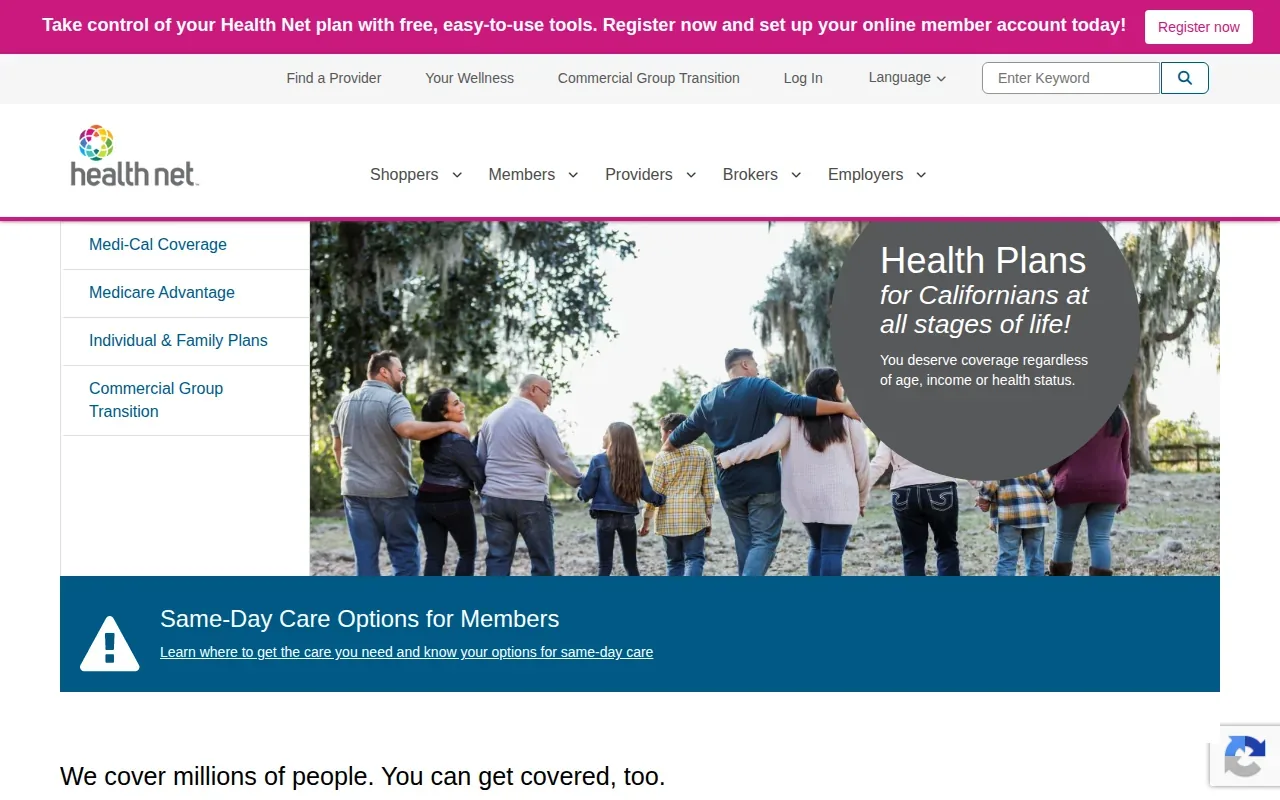
Health Net says employer groups choose a plan design and pair it with a network available in their region. Its small-business information also describes a simplified package. These details give studio owners specific questions to raise: which networks are open in the studio’s county, how employees access out-of-network care, and whether the same plan design is available with more than one network.
HMO and PPO structures can feel different to employees. An HMO generally centers care within a network, while a PPO can give members more provider choice, often with different costs for in-network and out-of-network care. Don’t rely on the label alone. Ask for the plan’s rules, then check whether local providers used by employees are included.
Health Net also says wellness programs are included in its plans, with dental, vision, and chiropractic services available as added coverage after enrollment. Ask whether those services apply to the exact plan under review and what they cost. If your instructors have seasonal schedules, also confirm whether participation and enrollment terms work for your workforce.
Health Net belongs on the shortlist mainly for studios checking coverage in California. Availability depends on the specific location and plan.
7. UPMC Health Plan: Employer-group coverage with regional considerations
UPMC Health Plan has employer-group coverage and a small-business product for employers with 2 to 50 employees in listed Pennsylvania counties. UPMC Health Plan offers access to hospitals, doctors, and customer service for employer groups.

The product information also describes an employee assistance program, dental and vision discounts, and coaching by phone for lifestyle or health conditions. Members can use a secure website to find a doctor and view plan benefits. UPMC lists video visits and a nurse line for non-emergency care. Its video visits are limited to members physically in Pennsylvania at the time of the visit, so traveling instructors should check the terms.
Service-area rules matter here. The small-business plan is offered to employers in specific Pennsylvania counties, so confirm that your studio’s address qualifies. Then check whether your instructors’ home locations fall within the plan’s network. If the team lives across county lines, ask how that affects provider access and costs.
For a small studio, an account manager may be useful when one owner handles enrollment without an HR team. Still, check exactly what that contact handles. The employer remains responsible for understanding its own enrollment duties and sharing clear plan details with staff.
UPMC is a location-dependent option. It is worth a quote if your business is in an eligible county and its provider network fits your employees.
FAQs About Group Health Insurance for Small Yoga Studios
When should a yoga studio offer health benefits?
A studio should explore benefits when it has a stable group of employees and can budget for the ongoing employer share. Start by checking staff interest and the roles that may qualify under each carrier’s rules. Then compare quotes against cash flow. A plan is easier to sustain when the studio can explain both the employer contribution and employee costs before enrollment.
Can part-time yoga teachers join a group health plan?
Part-time teachers may qualify, but eligibility depends on the plan’s rules and the employee’s work arrangement. Ask each insurer to explain its minimum hours, waiting period, and participation terms. Keep contractors separate from employees when gathering details, and confirm their status with a qualified professional if you’re unsure how the studio should classify a role.
What should a small studio compare besides the premium?
Compare the deductible, out-of-pocket maximum, provider network, and prescription coverage. Also check whether the plan is an HMO or PPO and what that means for referrals or out-of-network care. A lower monthly premium can shift more costs to employees when they use care, so review the full plan summary with your team’s needs in mind.
Does group health coverage replace yoga liability insurance?
No. Health insurance helps cover eligible medical care for enrolled people, while liability insurance addresses different business risks. They serve separate purposes. A studio should review both forms of protection with an insurance professional and confirm that any policy fits the business activities, teaching arrangements, and locations involved.
Can an HSA or HRA help a studio support employees?
Possibly, but the right arrangement depends on the health plan and the employer’s setup. An HSA is tied to an eligible health plan, while an HRA is an employer-funded arrangement for eligible health costs. Ask an advisor to explain which options fit your group plan and what rules apply before offering either benefit.
Conclusion
For a studio that wants help comparing several carriers, start with Life Care Benefit Services and request options based on your location, team roles, and budget. Gather the same plan details from each quote, then review the network and employee costs before choosing coverage.