
Advantage vs. Supplement Medicare: Cost, Coverage and Fit
Choosing between Medicare Advantage and a Medicare Supplement (Medigap) can feel like a maze. One plan bundles extra benefits, the other fills gaps in Original Medicare. Below is a side‑by‑side look so you can see which one lines up with your budget and health goals.
We analyzed 57 YouTube comments about Medicare Advantage versus Medicare Supplement and found that 32% mentioned high premiums.
1. Medicare Advantage — bundled coverage through a provider network
Medicare Advantage, also called Part C, is offered by private insurers that contract with Medicare. It includes hospital, skilled nursing and outpatient care, and often adds dental, vision, hearing and prescription drugs.
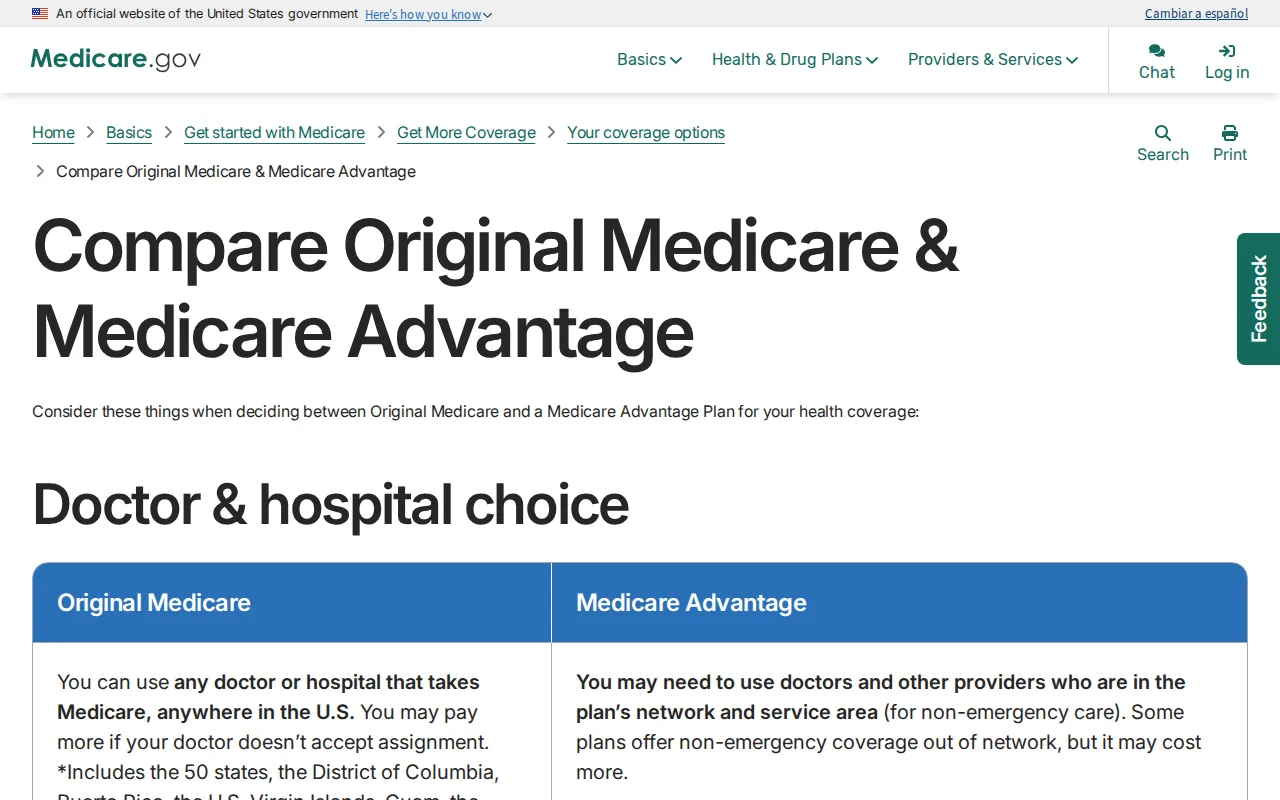
Most plans use a network of doctors and hospitals. HMO plans generally cover only in‑network care except for emergencies and urgent care, while PPO plans also cover out‑of‑network care at a higher cost. Some plans require referrals for specialists.
Premiums can be $0 + your Part B premium, but you’ll still pay copays, coinsurance and an annual in‑network out‑of‑pocket maximum that can be as high as $9,250 in 2026 (plan information). Once you hit that limit, covered in-network costs are handled under the plan’s terms.
Extra perks are a big draw. Many Advantage plans cover routine dental clean‑ups and include vision exams and eyewear allowances. Many also bundle prescription-drug coverage, so you don’t need a separate Part D plan.
But the network restriction can bite. If your preferred specialist sits outside the plan’s list, you’ll face higher coinsurance or may need a prior‑authorization. The plan can also change its network each year, so you have to re‑check each enrollment period.
For people who like the convenience of one plan that covers most needs, Advantage can simplify billing and keep out‑of‑pocket spending predictable, provided they’re comfortable staying in‑network.
2. Medicare Supplement (Medigap) — help with Original Medicare costs
Medigap policies sit on top of Original Medicare (Parts A & B). They don’t replace Medicare; they pay the cost‑sharing gaps like the Part B deductible, coinsurance, and excess charges.
Because Medigap works with Original Medicare, you can see any doctor or hospital in the U.S. that accepts Medicare. Standard Medigap plans have no network and no referrals (Medicare SELECT plans are the exception).
Premiums vary by plan, age, tobacco use and state. For example, Plan G, a popular choice for new enrollees, has premiums that vary by market. The plan covers everything except the Part B deductible, which you still pay ($283 in 2026). Prescription drugs aren’t included, so you’ll need a separate Part D plan if you want drug coverage.
Most Medigap plans don’t need an out‑of‑pocket maximum because they already cover most of Original Medicare’s cost sharing (Plans K and L have annual limits). With Plan G, you pay the monthly premium and the Part B deductible, and the plan covers most remaining Medicare‑approved costs. If you need a lot of care, your total cost stays predictable.
The downside is the higher monthly premium and the need to buy a separate Part D plan. Also, a Medigap policy doesn’t work with a Medicare Advantage plan, and it’s illegal for anyone to sell you one while you’re in a Medicare Advantage plan unless you’re switching back to Original Medicare.
Medigap appeals to those who value freedom to pick any provider and want steady out‑of‑pocket costs, especially if they have chronic conditions that require frequent visits.
3. Medicare Advantage vs. Medigap — compare cost, coverage, and provider choice
| Feature | Medicare Advantage | Medigap (Supplement) |
|---|---|---|
| Monthly premium (besides Part B) | About $14 on average in 2026; many plans charge $0 (plan information) | Varies by plan and location |
| Out‑of‑pocket max | Up to $9,250 (in‑network) (plan information) | No set cap for most plans; Plans K and L have annual limits |
| Provider network | Network rules apply; HMOs require in‑network care except emergencies, PPOs cost more out of network | Any Medicare‑accepting provider nationwide |
| Prescription drug coverage | Usually included | Separate Part D plan needed |
| Extra benefits | Dental, vision, hearing, gym memberships often bundled | Not included; dental and vision need separate coverage |
| Enrollment window | Annual enrollment Oct 15‑Dec 7; special periods also apply | One‑time 6‑month open enrollment starting the month you have Part B and are 65 or older |
Both options plug the gaps in Original Medicare, but they do so in opposite ways. Advantage caps your yearly spending but uses a provider network; Medigap supplements Original Medicare and generally does not require a provider network, except for Select plans.
4. Which is better for you? When to choose Medicare Advantage or Medigap
Think about your health profile. If you’re generally healthy, have a modest budget, and like the idea of a $0‑premium plan that bundles dental and vision, Advantage often wins. The out‑of‑pocket cap protects you if an unexpected illness strikes.
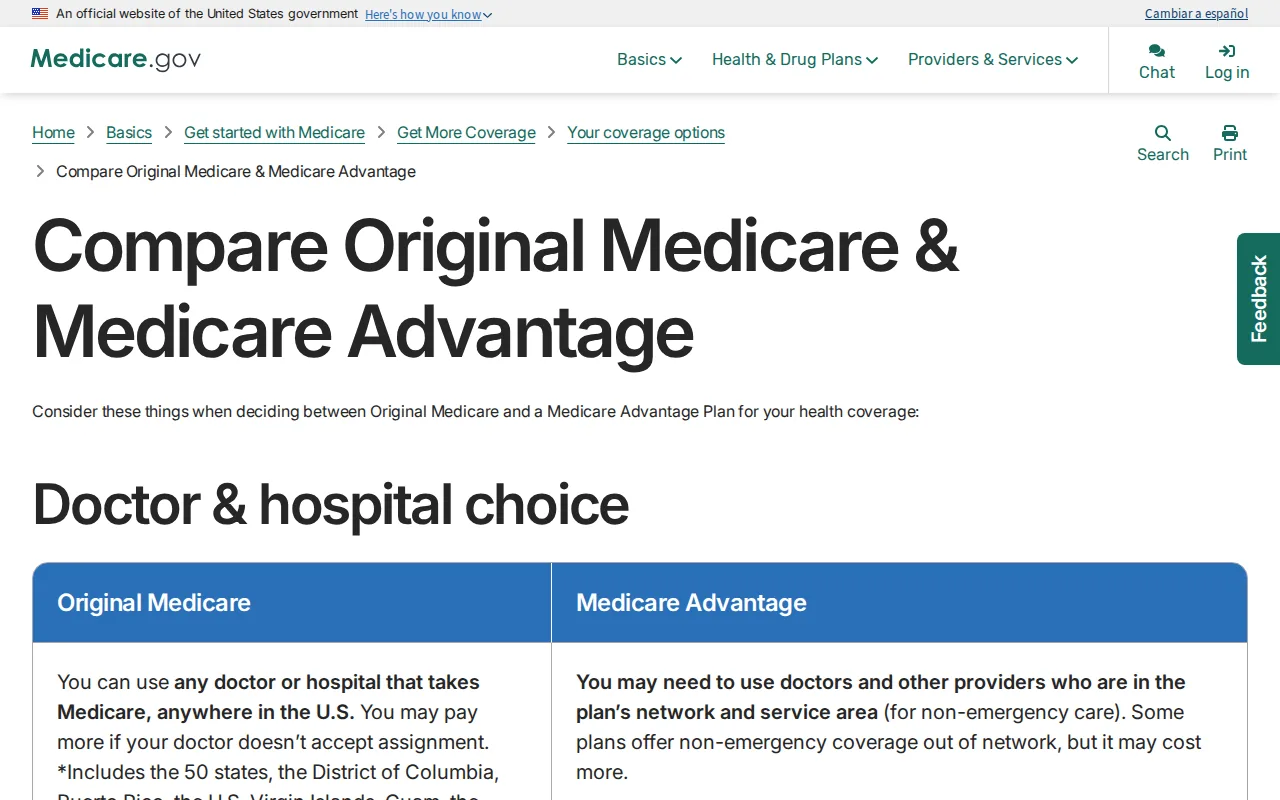
On the other hand, if you have chronic conditions, see multiple specialists, or travel often, the freedom to see any Medicare‑accepting doctor without prior‑authorization can save headaches and money. Medigap’s predictable cost structure shines in that scenario.
Budget matters too. A low‑premium Advantage plan can look cheap, but copays for specialist visits or hospital stays can add up fast. Compare premiums and out‑of‑pocket costs under each option; the total depends on your plan and care needs.
Travel is another factor. Advantage plans have a service area, and outside it they generally cover only emergency and urgent care unless the plan offers out‑of‑network or travel benefits. Medigap works anywhere Medicare is accepted, which is handy for snowbirds.
When you’re ready to compare actual plan options, Life Care Benefit Services can walk you through the numbers and help you pick the right fit. Their licensed advisors review top‑rated carriers, explain pros and cons, and match you with a plan that meets your lifestyle and budget.
Frequently asked questions
Can I have both Medicare Advantage and Medigap at the same time?
Not in a useful way. A Medigap policy can’t pay your Medicare Advantage costs, and it’s illegal for anyone to sell you a Medigap policy while you’re in a Medicare Advantage plan unless you’re switching back to Original Medicare. In practice, you choose one or the other.
Do Medicare Advantage plans always include drug coverage?
No. Most Medicare Advantage plans include drug coverage, but some don’t, so check the plan details before you enroll.
What is the enrollment period for Medigap?
You have a one‑time six‑month open enrollment period that starts the first month you have Part B and are 65 or older. During that time, insurers can’t refuse to sell you a policy or charge you more because of your health.
Will I pay a separate Part B premium with Medigap?
Yes. Medigap policies sit on top of Original Medicare, so you still owe the standard Part B premium.
How does the out‑of‑pocket maximum work in Advantage plans?
The plan sets an annual cap on in‑network cost sharing. Once you reach that cap, it limits your covered in‑network cost sharing for the rest of the calendar year.
Conclusion
Choosing the right path means weighing network freedom against bundled benefits and cost caps. Both routes protect you from the gaps in Original Medicare; the best choice lines up with your health needs, travel habits and budget.
Ready to decide? Talk with a licensed advisor at Life Care Benefit Services today and get a personalized quote that fits your situation.