
Best Group Health Insurance for Nonprofit Organizations
Nonprofits need health coverage that fits tight budgets and mission goals. Below is a shortlist of the most useful options for group health insurance for nonprofit organizations, and a quick note on who each works best for.
1. Life Care Benefit Services (Our Top Pick) — Personalized nonprofit coverage guidance
Life Care Benefit Services is an independent agency that bundles life‑insurance benefits, mortgage protection, ACA‑compatible health coverage and retirement planning into one package. It works for nonprofits of any size because there’s no employee‑size floor and no required employer contribution.
The agency partners with over 50 top‑rated carriers, so it can match a nonprofit’s risk profile with the right mix of medical and financial protection. A small arts nonprofit can add a death benefit for staff while still getting a solid health plan.
Because the service is advisory‑first, the nonprofit gets a clear comparison of costs, no hidden fees, and help with enrollment paperwork. The only caveat is that the hybrid nature means the nonprofit must manage both health and life‑insurance components, which may add a bit of admin work.
Learn more about the full range of options on the Life Care Benefit Services comparison page.
2. QSEHRA — A usable reimbursement option for small nonprofits
Qualified Small Employer Health Reimbursement Arrangement ( QSEHRA) lets a nonprofit reimburse employees tax‑free for individual health‑insurance premiums and qualified medical expenses.
It’s best for charities with fewer than 50 full‑time employees because the law caps eligibility at that size. The nonprofit sets a monthly contribution limit, and employees shop the individual market for plans that fit their families.
The flexibility means a single‑parent staffer can choose a plan with a lower deductible, while another employee can add dental coverage. Since the employer doesn’t buy a group policy, there’s no carrier underwriting or rating.
A downside is the need for employees to handle their own enrollment, which can be confusing for those unfamiliar with the marketplace. The nonprofit must also file an annual notice with the IRS.
3. ICHRA — Flexible, tax‑advantaged coverage for nonprofits of any size
Individual Coverage Health Reimbursement Arrangement (ICHRA) works like a flexible stipend. The nonprofit allocates a set amount each month, and employees use it to buy any individual health plan they prefer.
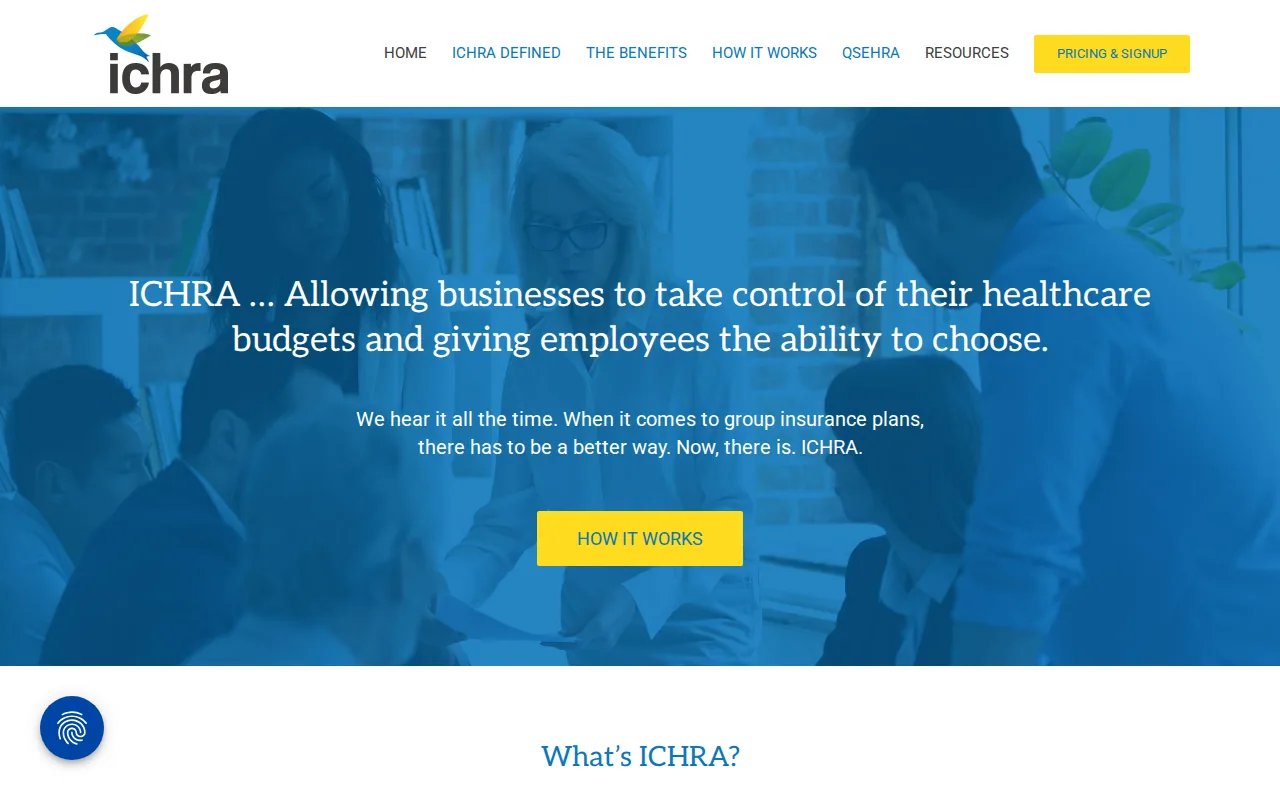
There’s no employee‑size minimum, so a growing nonprofit can start with a few staff and expand without changing the arrangement. The ICHRA can cover premiums, co‑pays, and even vision or dental expenses.
The tax advantage is clear: contributions are pre‑tax for both employer and employee, lowering payroll taxes. Employees keep any unused funds, which can roll over year‑to‑year in many states.
One limitation is that the nonprofit cannot offer a traditional group plan alongside an ICHRA; the two must be exclusive. Also, the admin portal may charge a modest fee.
4. Level‑Funded Plan — Cost control for nonprofits with healthy teams
A level‑funded plan blends a fixed monthly premium with a claims fund that can refund excess cash if claims are low. This hybrid model gives predictable budgeting while still offering upside for healthy workforces.
Each month, the nonprofit pays a level amount that covers estimated claims, administrative fees, and stop‑loss insurance. If the actual medical spend falls below the projection, the surplus is returned to the organization.
This structure is attractive for nonprofits that have stable health trends and want to reward wellness initiatives. The stop‑loss layer protects against a single catastrophic claim that could otherwise blow the budget.
Because the plan is technically self‑funded, it falls under ERISA, which can simplify multi‑state compliance. However, the nonprofit must work with a third‑party administrator to track claims and manage the fund.
5. HMO — A group health plan type
HMO is a health plan type that nonprofit organizations can consider when reviewing group health insurance options. The HMO designation identifies the type of plan being reviewed.
For a nonprofit comparing available group health insurance options, HMO is one plan type to include in the review. Specific plan details should be considered before selecting coverage for employees.
The HMO option remains identified by its plan type. Organizations can review the available information about an HMO as part of a broader group health insurance evaluation.
When assessing group health insurance for a nonprofit, the HMO plan type can be compared with other available options. A careful review helps the organization select an option that fits its coverage needs.
6. FIT Health – Traditional Plan — Flexible cost-sharing options
FIT Health – Traditional Plan offers varying levels of deductibles, copays, and out‑of‑pocket maximums. This structure gives nonprofits options when evaluating traditional group health coverage.
Unlike plans with a different cost-sharing structure, a traditional plan can be reviewed by comparing deductible, copay, and out‑of‑pocket maximum levels.
The available coverage features include varying levels of deductibles, copays, and out‑of‑pocket maximums, allowing nonprofits to compare traditional plan designs when reviewing group health insurance options.
7. FIT Health – Traditional Plan — A traditional option for varying coverage needs
FIT Health – Traditional Plan is a traditional plan with varying levels of deductibles, copays, and out‑of‑pocket maximums.
Nonprofits can compare the available levels of deductibles, copays, and out‑of‑pocket maximums when reviewing this traditional plan option.
The plan’s varying levels provide different combinations of deductibles, copays, and out‑of‑pocket maximums for organizations to consider.
When comparing coverage, review how each level balances deductibles, copays, and out‑of‑pocket maximums for the nonprofit and its employees.
FIT Health – Traditional Plan gives nonprofits a traditional coverage option with varying levels of deductibles, copays, and out‑of‑pocket maximums.
Frequently Asked Questions About Group Health Insurance for Nonprofits
What is the difference between a QSEHRA and an ICHRA?
A QSEHRA is limited to employers with fewer than 50 full‑time employees and sets a maximum contribution amount, while an ICHRA has no employee‑size minimum and lets each employee receive a fixed stipend that can be used for any qualified health expense.
Can a nonprofit qualify for the small‑business health care tax credit?
Yes, if the nonprofit pays at least 50% of the premium cost for a fully insured group plan and has fewer than 25 full‑time equivalent employees, it may claim the credit, which can cover up to half of its contribution.
Do network-based plans require referrals for specialist visits?
Referral requirements vary by plan. Nonprofits should review the plan’s requirements before enrolling employees or changing coverage.
Are plans with higher deductibles compatible with Medicare?
Compatibility between plans with higher deductibles and Medicare depends on enrollment details. Employees should review plan requirements before making changes to their coverage or HSA contributions.
How does a level‑funded plan handle unexpected large claims?
The plan includes stop‑loss insurance that caps the nonprofit’s exposure to high‑cost claims, protecting the budget while still allowing refunds if overall claims are low.
Choosing the right plan starts with understanding staff needs, budget limits, and the trade‑offs each option brings. If you want a one‑stop solution that blends life‑insurance benefits with health coverage, start with Life Care Benefit Services.