

Best Medicare Supplement Plans for 2026
The best Medicare supplement insurance plan depends on how you balance monthly premiums with medical bills. One point often gets missed: most Medigap plans don’t set an out-of-pocket cap. Here are four insurers to compare, plus Life Care Benefit Services, which can help you review options with an advisor.
We analyzed 64 comments from YouTube and Reddit about medicare supplement insurance plans and found that 33% mentioned high Medigap premiums.
1. Life Care Benefit Services
Life Care Benefit Services is an independent life and health insurance agency that helps people compare Medicare and supplemental coverage. It may suit seniors who want to review more than one carrier with an advisor instead of starting with a single insurer.

The agency partners with more than 50 top-rated insurance carriers. Its licensed insurance advisors can review plans from top-rated carriers and explain the pros and cons of each option. That can help when two plans have similar benefits but different premiums or carrier histories.
Medigap benefits follow standardized plan letters, while premiums can vary by carrier and location. Life Care Benefit Services compares Medicare plans based on healthcare needs, budget, and lifestyle. Its Medicare supplement insurance quote comparison can help you prepare questions before requesting a quote.
Ask the advisor to show the plan letter, monthly premium, pricing method, and any available rate history for each quote. That gives you a clearer basis for comparing the same benefit design across carriers.
2. Humana Medicare Supplement Insurance: Medigap options from a national insurer
Humana Medicare Supplement Insurance is a carrier option for people comparing Medigap coverage. It may fit someone who already uses Humana for other Medicare-related services and wants to ask whether a supplement plan is available in their area.

Confirm the terms and availability for the specific Medigap policy you’re considering.
Medigap plans work with Original Medicare. The plan letter sets the covered benefits, while the insurer and local rating rules affect the premium. Compare Humana’s quote with another carrier’s quote for the same letter, then ask how the rate is set and what could change it.
3. State Farm Medicare Supplement Insurance: Local agent access
State Farm Medicare Supplement Insurance is an option to include when you want to ask about supplemental health coverage through an insurance agent. It may be worth comparing if you prefer to discuss your needs with a local agent rather than make a decision from an online summary alone.
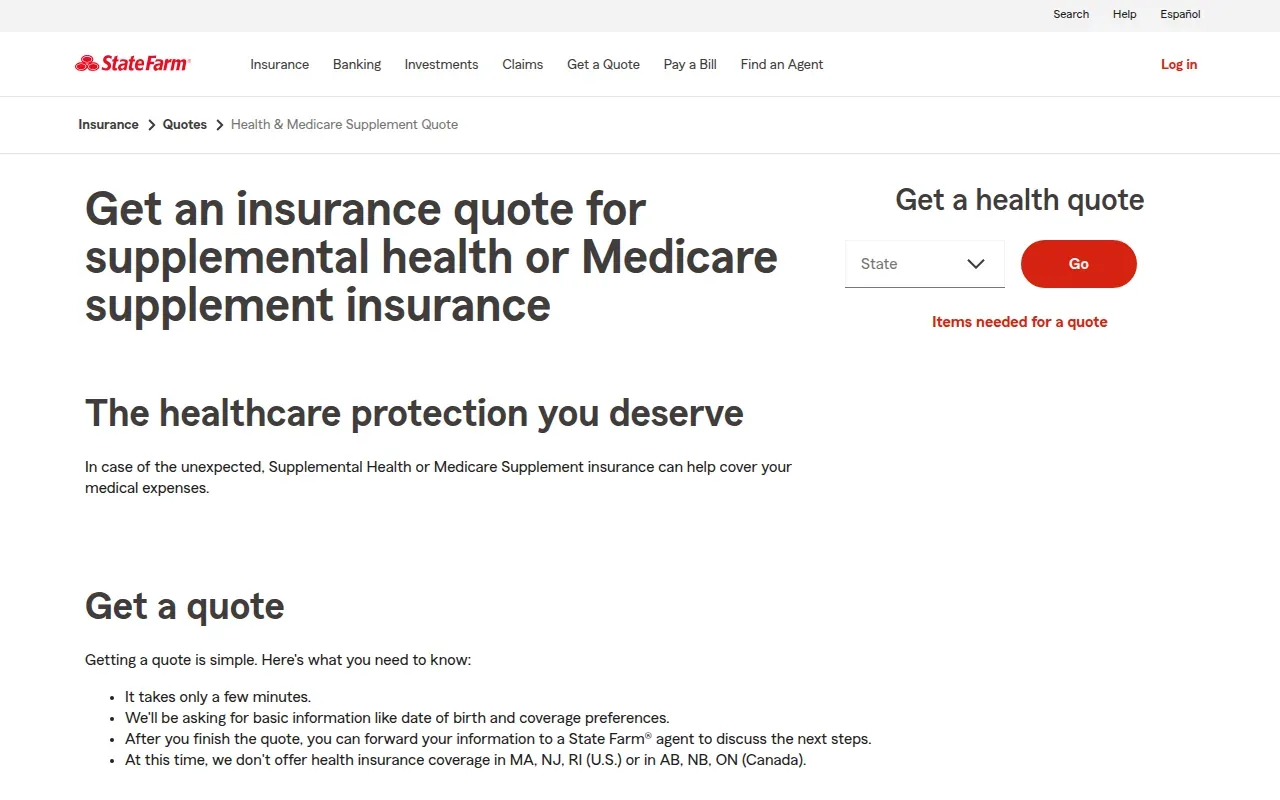
You can request an insurance quote for supplemental health or Medicare supplement insurance. Use that conversation to confirm which plan letters are available where you live and what each quote covers. Availability and pricing can differ by state and by applicant.
Keep the comparison focused on the policy, not just the company name. Ask for the monthly premium for the same plan letter you’re considering elsewhere. Then ask how the company prices policies and how premiums have changed for that plan in your area.
A familiar agent can make it easier to ask questions, but the plan’s benefit letter and the written quote should guide your choice.
4. Medicare Supplement Insurance by United American: Medigap-focused coverage
Medicare Supplement Insurance by United American is a Medigap option to compare with other carriers. United American focuses on Medicare Supplement insurance, which makes it relevant for shoppers who want a carrier built around this type of coverage.
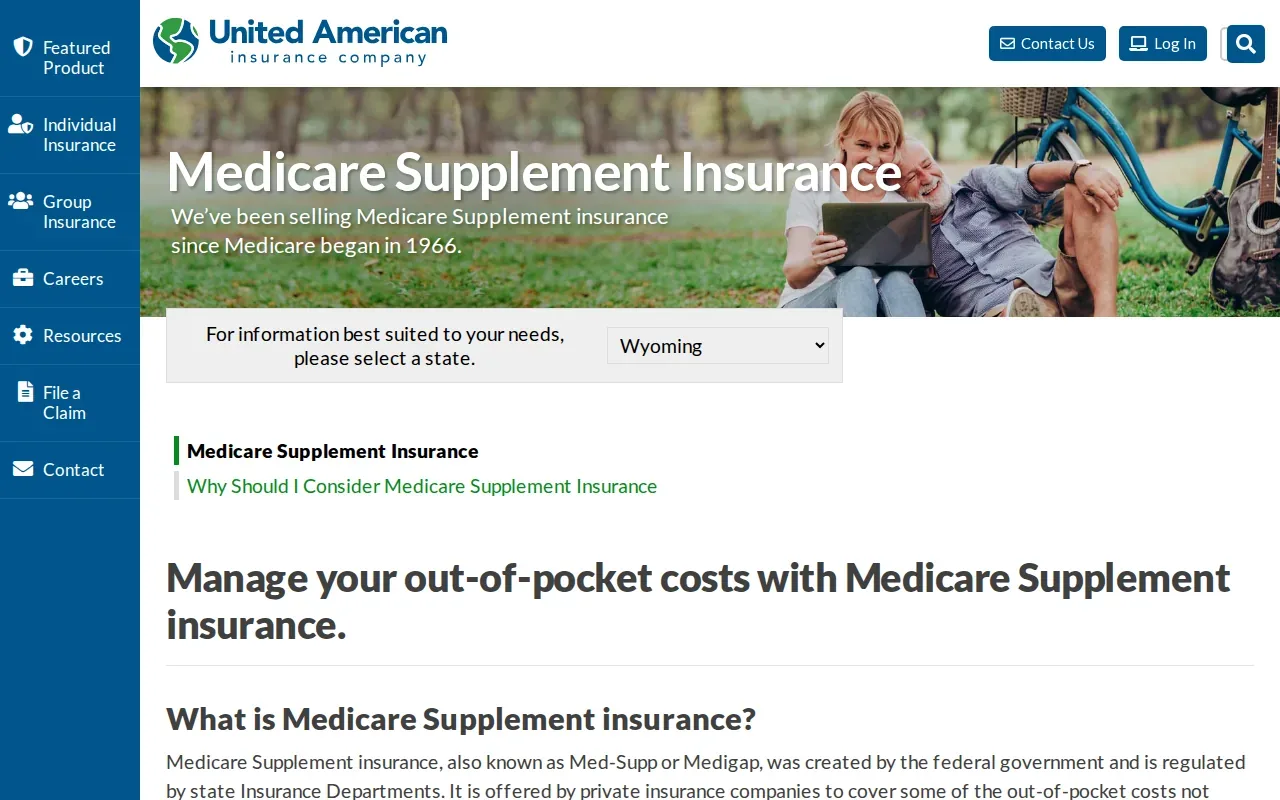
Since plan benefits are standardized by letter, compare United American’s quote against another carrier’s quote for the same letter. Check the premium and the policy’s pricing method. Also ask how the insurer handles rate changes and what support is available when you have a claim question.
Those details matter over time. A lower first premium may not tell you how costs will change later, and the plan letter alone doesn’t show how one carrier’s rates compare with another’s. Get the terms in writing before you choose.
5. Medicare Supplement Insurance by Lumico: Another carrier to compare
Lumico offers Medicare Supplement insurance. Ask about available policy details when comparing options.

Use the same checks you’d use with any carrier. Confirm the exact plan letter and premium in your quote. Then ask how the policy is priced and whether rate history is available for your state and age group.
Carrier comparisons are most useful when they hold the benefit design constant. If one quote is for Plan G and another is for Plan N, you’re comparing different coverage, not just different insurers.
Medigap Plan Comparison: Coverage, Costs, and Eligibility
Medigap is private insurance that helps pay some costs left by Original Medicare. The plans use standardized lettered benefit designs. “Full coverage” can be easy to misread as a spending cap, so check whether a plan has an out-of-pocket maximum.
Out-of-pocket limits and cost-sharing can vary by plan. Check current plan details before enrolling. The Congressional Research Service overview of Medigap covers coverage differences and cost sharing.
| Plan or choice | Decision point | What to check |
|---|---|---|
| Plan G | A commonly chosen, broad-coverage option | Compare the premium and confirm the current Part B deductible rules. |
| Plan N | A popular alternative with some cost-sharing differences from G | Ask about possible office visit copays and Part B excess charges. |
| High-Deductible Plan G | A version with a higher deductible before the plan pays | Confirm the current deductible and compare it with the premium savings. |
| Plans K and L | Compare plan benefits and cost sharing | Verify current limits and how cost sharing applies. |
Plans G and N are common choices, but popularity doesn’t make either one right for everyone. G may suit someone who wants fewer cost-sharing surprises after meeting the Part B deductible. N may appeal to someone willing to consider copays and the possibility of Part B excess charges. High-Deductible Plan G shifts more initial costs to you, so compare the deductible with the premium difference.
Medigap enrollment has an important timing rule. The six-month Medigap Open Enrollment Period starts when you’re 65 or older and enrolled in Medicare Part B. During that period, insurers generally can’t use your health to deny coverage or charge more. After it ends, medical underwriting may apply unless you have a guaranteed-issue right or your state provides added protections.
Premiums can depend on your age, gender, tobacco use, location, and carrier. State rules can also affect availability and pricing. Before choosing, compare the same plan letter across insurers, ask how each premium is priced, and review rate history if available. If you’re considering Plan N, check whether your doctors accept Medicare assignment. A provider who accepts assignment agrees to accept Medicare’s approved payment as payment in full for covered services.
Original Medicare with a Medigap policy and Medicare Advantage are different ways to receive coverage. Medigap supplements Original Medicare; it doesn’t replace it. Compare how each choice handles provider access, costs, and the coverage you want before switching or enrolling.
Frequently Asked Questions
What is the best Medicare supplement plan for most people?
There isn’t one best plan for everyone. Plans G and N are common choices, but your budget and comfort with cost sharing matter. Plan G may fit someone who wants broad coverage after the Part B deductible. Plan N may suit someone willing to consider copays and possible excess charges. Compare current quotes for your location.
When can I enroll in a Medicare Supplement plan?
Your six-month Medigap Open Enrollment Period starts when you’re 65 or older and enrolled in Medicare Part B. During this window, federal rules generally limit an insurer’s ability to use your health history to deny coverage or charge more. Afterward, underwriting may apply, though guaranteed-issue rights and state rules can change your options.
What affects the monthly cost of Medigap?
Your monthly premium can depend on your age, gender, tobacco use, location, and the insurance carrier. Two carriers may charge different premiums for the same standardized plan letter. Ask how each policy is priced and compare the same letter across carriers. A current quote is more useful than a general rate estimate.
Does a Medicare Supplement plan limit my out-of-pocket costs?
Most Medigap plans don’t have an out-of-pocket maximum. Check the current plan documents to confirm today’s cost-sharing rules before you enroll.
Conclusion
Compare the same plan letter across carriers, then weigh the premium against the costs you may still pay. Life Care Benefit Services can help you review carrier options with an advisor. Start by requesting quotes for your state and asking how each policy is priced.