
Best Group Health Insurance Plans for Self-Employed People
Buying health coverage on your own can feel like a maze, especially when a plan says “nationwide” but serves only certain states. The best group health insurance plans for self-employed people depend on where your business is based and whether you meet each plan’s group rules. Here are seven names to check, plus the key details to weigh before you enroll.
We analyzed 50 comments from Reddit and YouTube about Group health insurance for self-employed and found that 36% mentioned alternative coverage options.
Life Care Benefit Services helps individuals and small business owners compare health coverage from insurance carriers. Its health insurance options for self-employed people can be a useful starting point if you want help sorting through individual and business coverage.
1. Aetna Funding Advantage: Self-Funded Coverage for Qualifying Small Employers
Aetna Funding Advantage is a self-funded health plan option for small to mid-sized employers seeking more predictable costs and protection from risk. It’s aimed at businesses that qualify for this type of group coverage, so a solo business owner shouldn’t assume they can enroll alone.
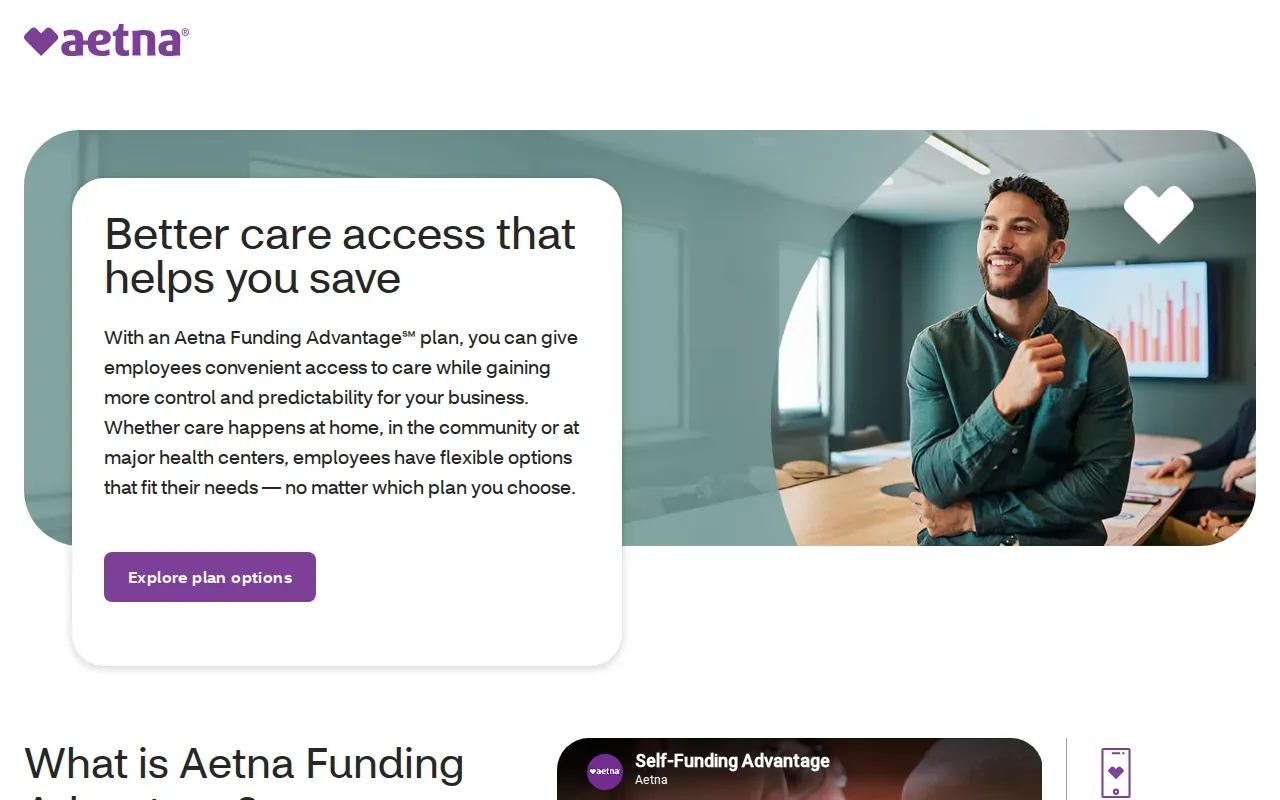
In a self-funded plan, the group’s funds pay eligible claims under the plan’s rules. An administrator handles day-to-day tasks such as claim processing and member questions. A provider network is a separate part of the setup: it determines where members can seek in-network care. Those pieces matter because the company that funds a plan may not be the same entity that handles claims or manages its network.
Before asking for a quote, check whether your business structure and employee count meet the plan’s rules. Some group arrangements may ask for an employer identification number, or EIN, and proof of an active business. An EIN alone doesn’t establish eligibility, and requirements vary by plan. Ask a tax professional how any tax credit or deduction applies to your situation before relying on one.
2. Oscar: Digital Tools and 24/7 Virtual Care
Oscar may suit self-employed people who value digital health tools and 24/7 virtual care. Availability can depend on your location, so check your state and ZIP code before comparing benefits.

Oscar offers 24/7 virtual care. If you work odd hours or travel within your service area, digital access may be useful when an in-person visit isn’t convenient.
Still, a digital tool shouldn’t decide the plan by itself. Check the network for your regular doctor and nearby hospitals. Review how the plan handles prescriptions and in-person care too. A virtual visit can help with some urgent concerns, but it doesn’t replace every kind of medical care.
3. Health Net: An Option to Check for Individuals, Families, and Businesses
Health Net provides quality affordable health plans for individuals, families, Medi-Cal members, Medicare, and businesses. That broad range makes it worth checking if you’re looking at personal coverage as well as a small-business plan. The exact plan and service area matter more than the company name alone.
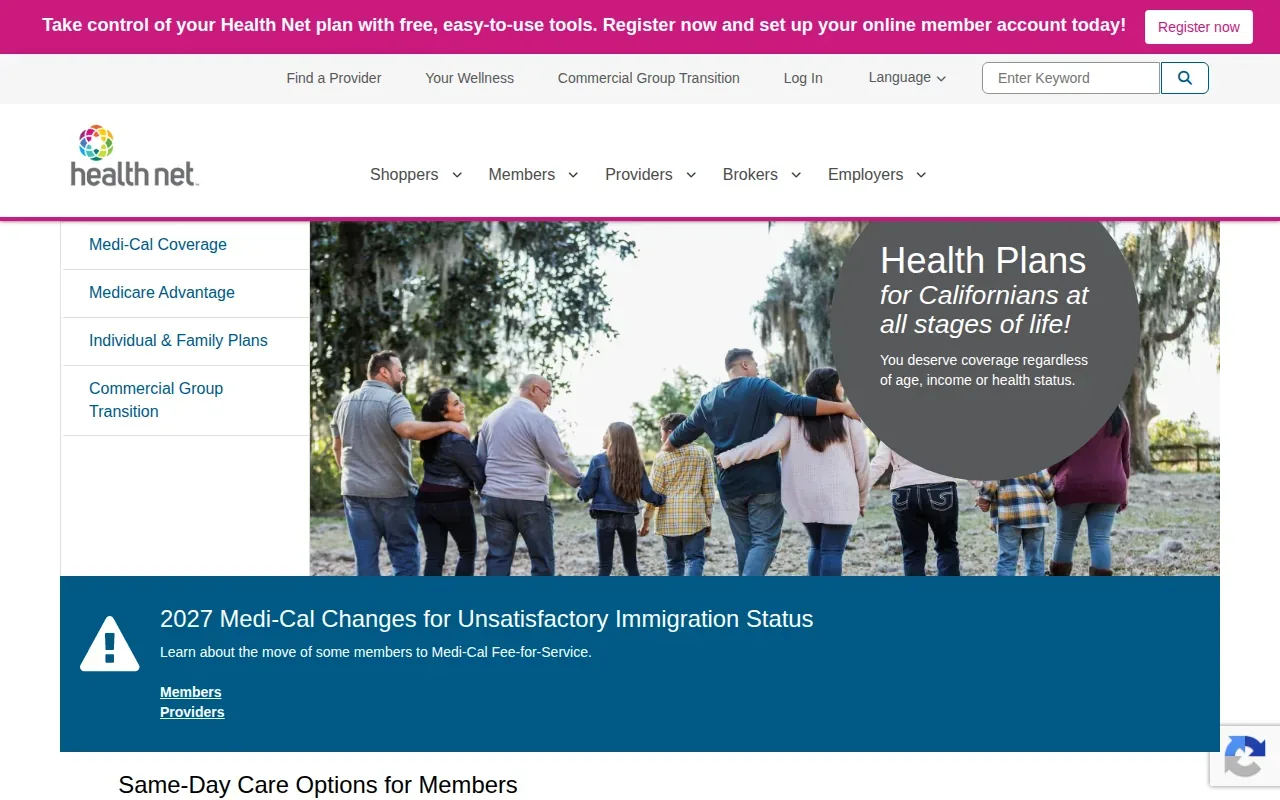
If a preferred clinician is important to you, check the exact plan network before you enroll.
Service areas can vary by plan. Verify the service area for the exact product you’re considering.
4. Select Health: Small-Employer Plans in Utah, Idaho, and Nevada
Select Health offers affordable health insurance plans for small employers in Utah, Idaho, and Nevada. Its plans include benefits and prescription coverage. Review the available plan information to understand which options may fit your business and the employees you cover.
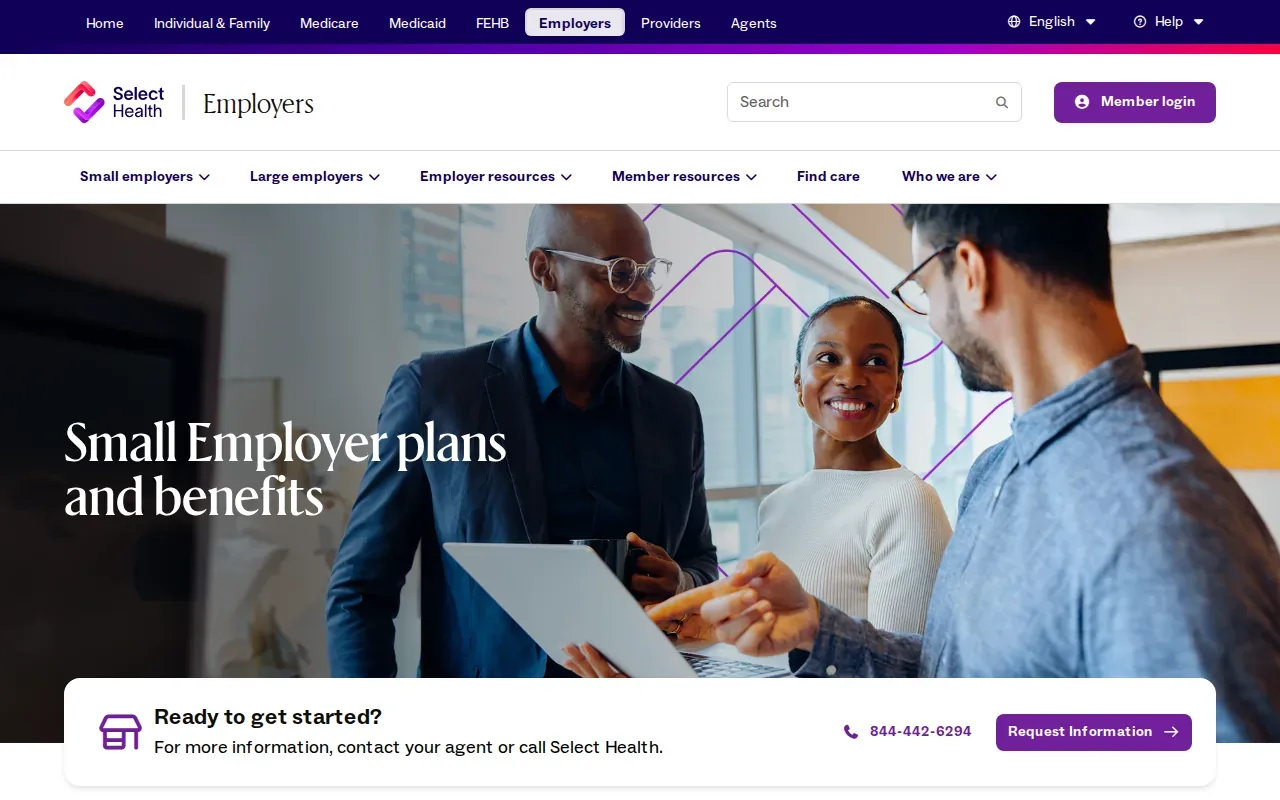
Before choosing a plan, compare the benefits and prescription coverage described for each option. Check the plan documents for covered services, costs, and any limits that may affect your employees. Confirm how prescription coverage works and whether the medications employees need are included. To learn more about specialized physiotherapy services that could be covered under certain plans, consider visiting Results Based Physio.
Ask Select Health or a licensed insurance professional to clarify details that are not clear in the plan materials. Confirm the eligibility requirements, coverage terms, and costs for your business before enrolling. Comparing these details can help you decide whether a plan meets your employees’ needs and your budget.
If you are considering a small-employer plan, review the current options for your location and ask which plan types your business can consider. Eligibility and coverage details should be confirmed for the specific plan before you make a decision.
5. HealthPartners: Employer-Based Plans to Explore in Its Service Area
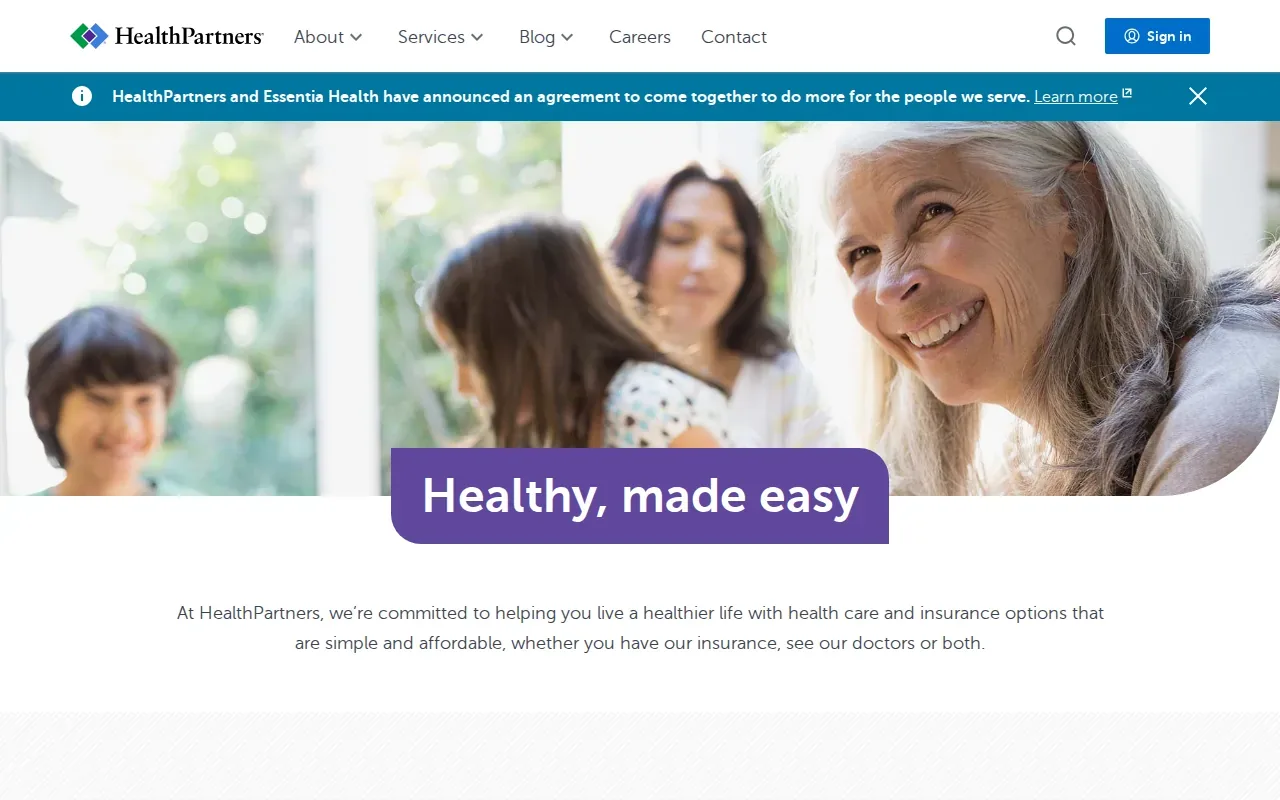
HealthPartners offers health care and insurance options and can help people choose a plan or find care. For a self-employed buyer, the useful next step is to check whether an employer-based plan is available for your business and location. Don’t assume a service area or group eligibility rule based on a general company description.
Use the same checks for each plan you consider. The table below focuses on the questions that can change whether a plan works for your household or business.
| Decision point | What to verify | Why it affects fit |
|---|---|---|
| Service area | Whether the plan accepts members at your home or business address | A plan may be available only in defined locations. |
| Provider network | Whether your doctors and nearby hospitals are in network | Network rules can affect where you can seek covered care. |
| Plan operations | Who administers claims and answers member questions | You’ll know where to go when a claim or eligibility question comes up. |
| Total spending | Premium, deductible, and out-of-pocket costs | A lower monthly premium can mean more spending when you need care. |
This is a comparison checklist, not a claim that every HealthPartners plan has the same design. Ask for the exact plan documents and network details before you compare it with an individual policy.
6. MVP Health Care: Employer Plans for Eligible Groups
MVP Health Care has employer-based plans that businesses can compare for their employees. That makes it a name to explore if your self-employed business has a group that meets the plan’s eligibility rules. Confirm the group requirements with MVP Health Care before applying.
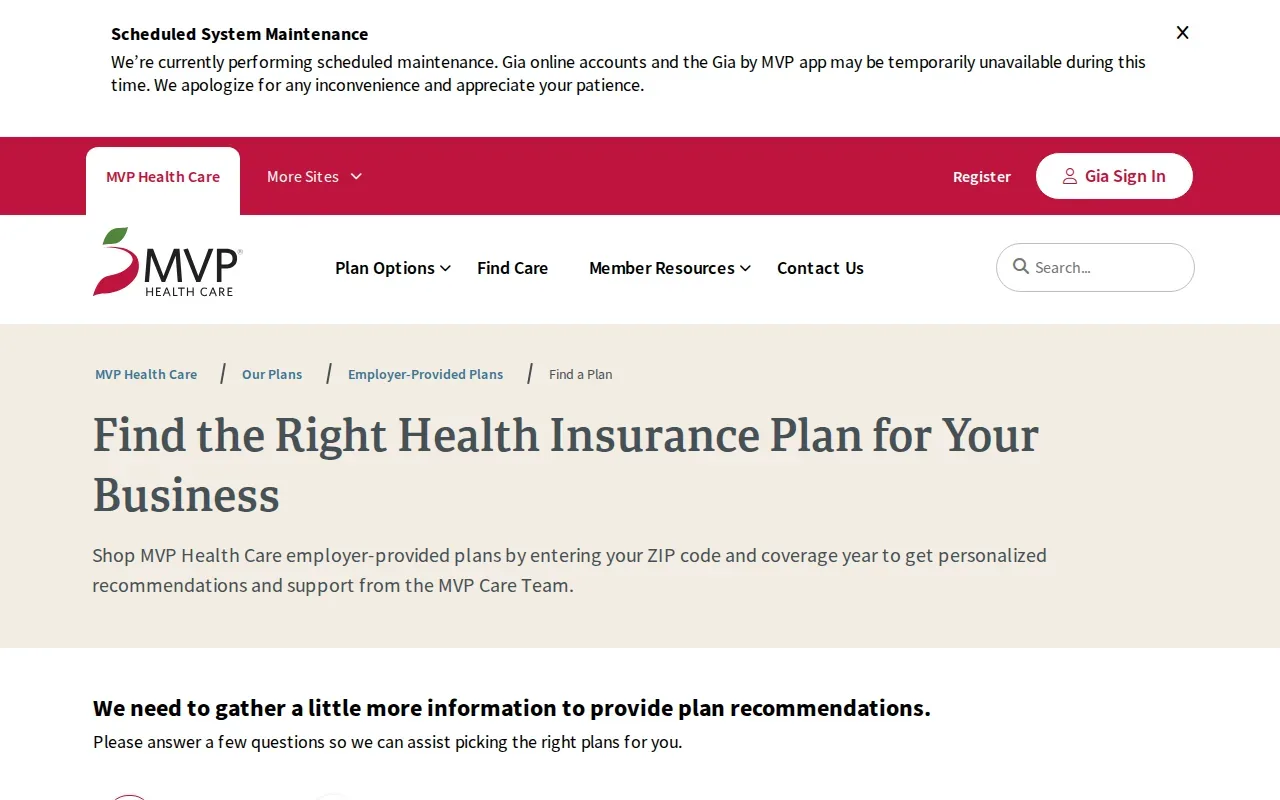
When comparing employer plans, line up the same details side by side. Look at the monthly premium, deductible, and maximum out-of-pocket amount. Then check whether your regular providers are in the network and how prescriptions are covered. A plan that looks affordable on the monthly bill may cost more when you use care.
Ask who handles enrollment and member questions as well. In a group arrangement, the insurer, plan administrator, and provider network can play different roles. Knowing which organization handles claims can save time if a bill is denied or a provider’s network status changes.
7. EmblemHealth: Compare Its Employer Options and Local Network
EmblemHealth shares plan and health information with members, including information about GHI Insurance. Its employer pages include a small-group plan section, making it one option to investigate if your business is in its service area.
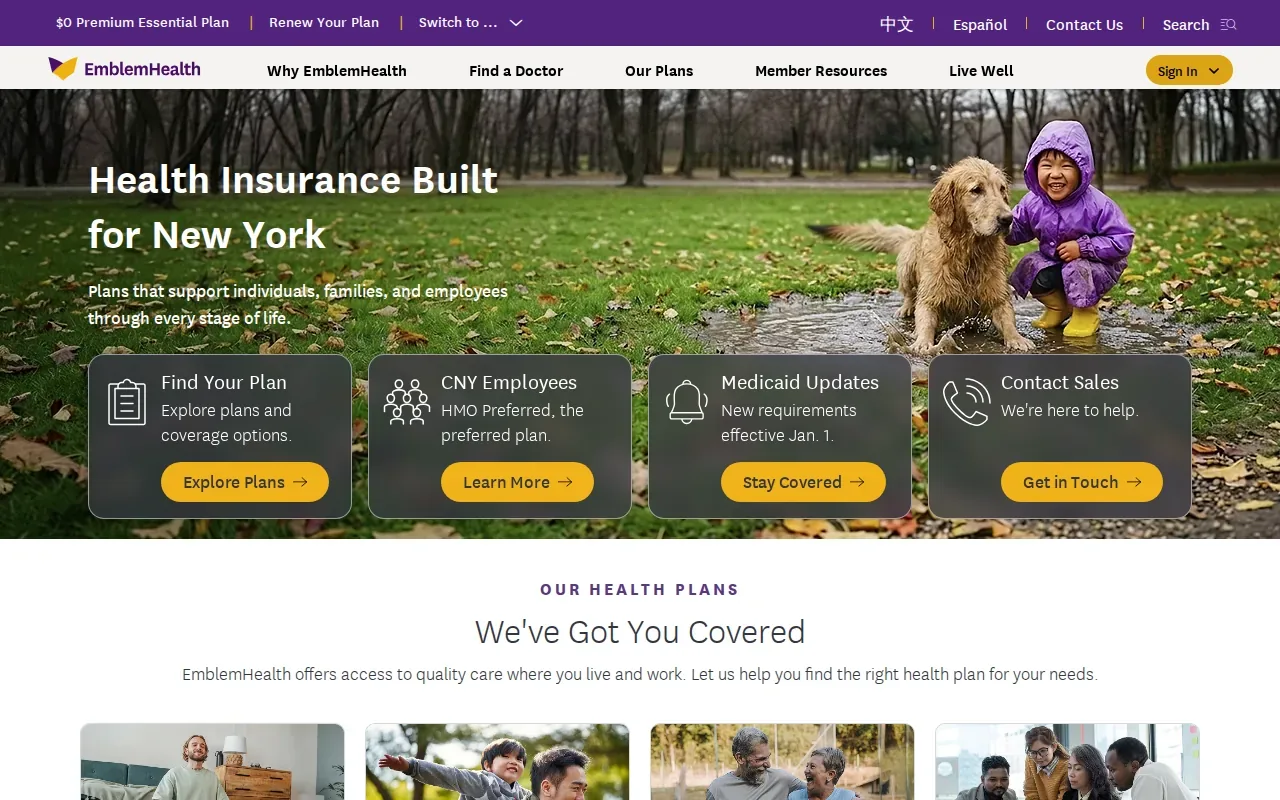
Check the local network before focusing on plan features. Search for your doctors, hospitals, and pharmacies under the exact plan name. Then review the plan documents for covered services and cost sharing. The company’s general member information doesn’t tell you whether a specific provider is in network or whether a particular plan fits your business.
Also confirm the eligible group size and enrollment rules. A self-employed owner may need to meet different requirements from a business with employees. A licensed insurance adviser can help you compare an employer plan with individual coverage, but the plan documents remain the source for its benefits and limits.
FAQ
Can I get group health insurance if I’m self-employed?
Sometimes, but it depends on the plan and your business structure. Some arrangements accept eligible self-employed owners, while others require a certain group size or enrolled employee count. An EIN may be requested, but having one doesn’t guarantee you qualify. Ask the plan or a licensed adviser to confirm the rules for your state and business before you apply.
Do I need an EIN to buy a group health plan?
Not for every plan, but some group arrangements may ask for an EIN and proof that your business is active. Requirements vary. Ask what documents the plan accepts and whether your business qualifies as a group before comparing premiums. If you’re a sole proprietor with no employees, also compare individual Marketplace coverage, since a group plan may not be open to you.
Can self-employed people get a tax deduction for health insurance?
Some self-employed people may qualify for a deduction for health insurance premiums, but eligibility depends on their tax situation. Don’t assume the deduction applies to every plan or that it makes one option cheaper overall. Compare the after-tax cost with your full premium and expected care expenses, then check your eligibility with a tax professional.
Is a self-funded plan the same as paying my own medical bills?
No. Self-funded describes how a plan is financed, not a direction to pay every covered bill yourself. The plan has rules for covered claims, while an administrator may process claims and answer questions. You still need to read the plan documents to understand what’s covered, what you pay, and whether the plan has protection for large claims.
How does group coverage compare with Marketplace insurance or COBRA?
Group coverage may be available through an eligible business or group, while Marketplace plans are bought as individual or family coverage. Marketplace subsidies depend on eligibility and household details. COBRA can let some people continue employer coverage for a limited time after a qualifying change, but the cost can differ when an employer contribution ends. Compare benefits and total costs for your situation.
Are short-term and indemnity plans the same as major medical insurance?
No. Short-term policies and fixed-indemnity plans can have different coverage limits and payment rules from major medical plans. A fixed amount paid for a visit may not cover the full bill. Health-sharing groups also aren’t traditional insurance. Read exclusions and limits carefully, and don’t use one of these options as a substitute for comprehensive coverage without understanding the risks.
Conclusion
Start by checking eligibility and service area, then compare the full cost and provider network for plans you can actually join. Life Care Benefit Services can help you review carrier options and weigh them against individual coverage. Gather your business details and preferred providers before requesting a plan comparison.