

Best Life Insurance with Living Benefits for Disability
Looking for a life‑insurance policy that can help you pay the bills if you become disabled? Below are the top options that pair a death benefit with living‑benefit riders you can tap while you’re still alive. We’ve also added a quick checklist so you can match each plan to your needs.
Start With an Independent Agency: Life Care Benefit Services
Life Care Benefit Services is an independent agency that matches you with over 50 top‑rated carriers. It offers both term and whole‑life policies, and you can add living‑benefit riders that can pay out early if a qualifying chronic, critical or terminal illness strikes. Because the agency isn’t tied to any single carrier, you can compare base policies and riders from several insurers before you choose.

Our licensed advisors walk you through the rider language and compare options from top‑rated carriers, so you know what triggers a payout before you buy. Best Life Insurance for Small Business Owners is a good example of how they tailor coverage to a business’s cash‑flow needs.
One limitation is that the agency itself doesn’t write policies; you’ll end up with a carrier’s contract. If you prefer a single‑company relationship, you may want to look directly at a carrier’s own rider menu.
1. Trendsetter LB by Transamerica: Term Coverage With Living‑Benefit Features
Trendsetter LB is a term‑life product with chronic, critical and terminal illness accelerated death benefit riders built in at no added premium. Coverage goes up to $2 million, and the riders let you draw part of the death benefit early if a qualifying illness strikes during the term.

The chronic illness benefit applies when you can’t perform two of six activities of daily living, or have a severe cognitive impairment, for 90 days or more, and the amount you can draw each year is capped.
Because the rider is built into the term design, premiums stay relatively low compared with a permanent policy that adds the same benefit. However, once you use the rider the remaining death benefit drops, so you lose some legacy protection.
2. CareMatters II by Nationwide: Life Insurance With a Long‑Term Care Focus
Nationwide’s CareMatters II is a fixed‑premium universal life policy that pairs a death benefit with long‑term‑care (LTC) riders. You can pay once or spread fixed premiums over a set period. The policy is designed for families that want a permanent cash‑value component plus a safety net for future care needs.
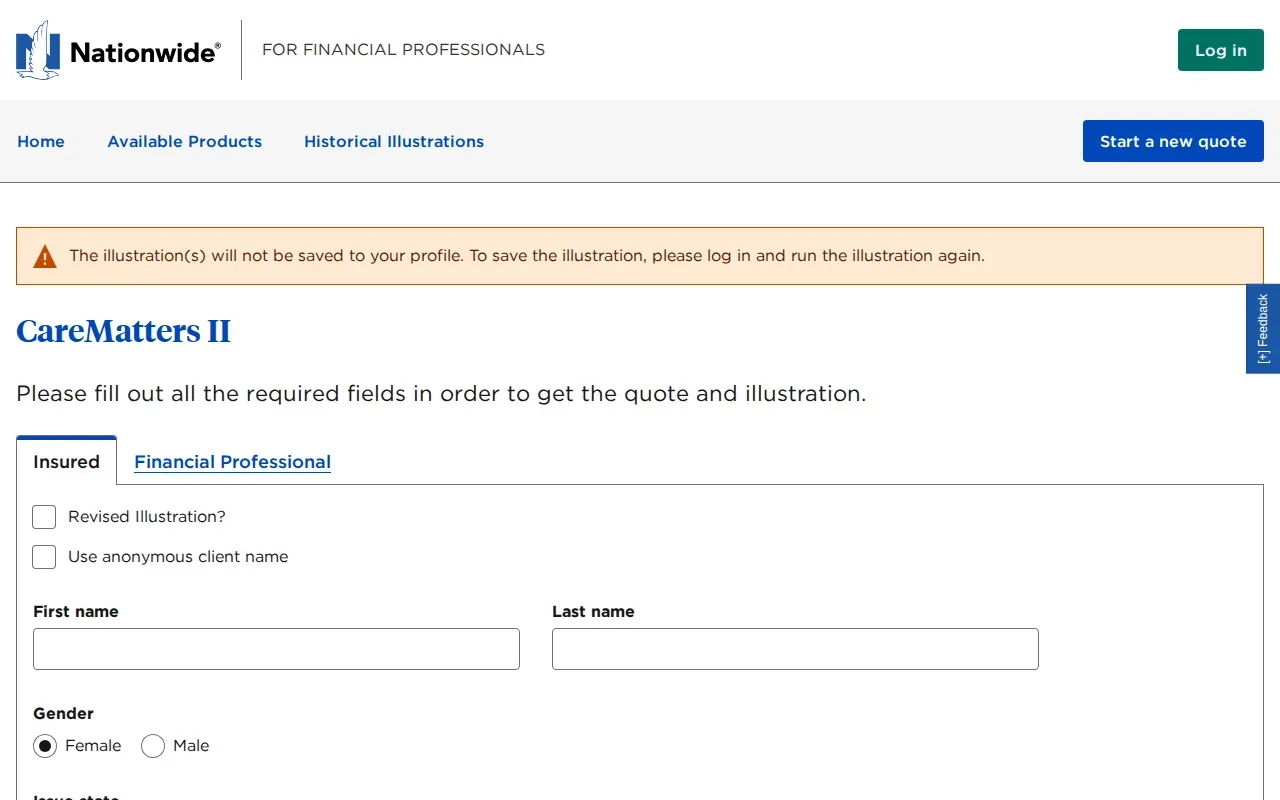
When a chronic condition limits two of the six Activities of Daily Living for at least 90 days, the rider pays a monthly cash benefit up to the amount you qualify for. Because it is a cash indemnity benefit rather than reimbursement, you don’t need to submit receipts, which leaves room to pay for in‑home help or family caregivers.
The trade‑off is a higher premium than a pure term policy. Cash‑value growth is not the main purpose of this policy.
3. Asset‑Care by OneAmerica: Whole Life Coverage With Long‑Term Care Support
Asset‑Care is a whole‑life policy that includes an optional LTC rider. The base policy builds cash value that you can borrow against, while the rider reimburses qualified long‑term‑care expenses.

OneAmerica’s rider uses a reimbursement model rather than a lump‑sum payout, meaning you submit receipts for care costs and get paid back up to the benefit limit.
A caveat is that the rider pays only for qualified long‑term‑care expenses, so check which types of care count before you buy. Also, the cash‑value growth is slower than an indexed universal life, so the overall return is modest.
4. MoneyGuard Fixed Advantage by Lincoln Financial: Universal Life With an LTC Rider
MoneyGuard Fixed Advantage is a universal‑life policy that pairs a death benefit with long‑term‑care coverage. Premiums are guaranteed and, depending on your age, can be paid once or spread over up to 10 years.

At claim time you can choose reimbursement of qualified LTC expenses or a cash indemnity benefit, which pays a smaller share of the monthly benefit. If you never need care, the death benefit goes to your beneficiaries.
The main limitation is that benefit amounts depend on your age, premium and chosen options, so you’ll need an illustration to see the exact numbers, which makes quick comparisons across carriers harder.
Compare These Life Insurance Living‑Benefit Options
| Option | Policy Type | Living‑Benefit Rider? | Care Trigger Wait | Key Note |
|---|---|---|---|---|
| Life Care Benefit Services (agency) | Term or Whole | Optional rider via carrier | Varies by carrier | Agency that compares carriers; rider depends on the policy chosen. |
| Trendsetter LB by Transamerica | Term | Built‑in chronic, critical and terminal illness riders | 90 days (chronic illness) | Coverage up to $2M; riders at no added premium. |
| CareMatters II by Nationwide | Universal Life | Long‑term‑care riders | See illustration | Cash indemnity benefit, no receipts needed. |
| Asset‑Care by OneAmerica | Whole Life | Long‑term‑care rider | See illustration | Cash‑value growth is modest; rider reimburses receipts. |
| MoneyGuard Fixed Advantage by Lincoln Financial | Universal Life | Long‑term‑care benefits | See illustration (an elimination period applies) | Choose reimbursement or cash indemnity at claim. |
When you compare the options, keep three things in mind: the type of base policy (term vs permanent), how the rider pays out (cash vs reimbursement), and how clearly the illustration shows benefit limits. The agency‑based approach from Life Care Benefit Services lets you shop the market and pick the rider that fits your budget best.
Frequently Asked Questions
What is a living‑benefit rider?
A living‑benefit rider lets you access part of your death benefit while you’re still alive if you meet a qualifying condition such as disability, chronic illness, or long‑term‑care needs. It’s essentially an accelerated death benefit.
How does using a living‑benefit rider affect my death benefit?
When you trigger the rider, the insurer reduces the remaining death benefit by the amount paid out. For example, a $500,000 policy that advances $150,000 will leave $350,000 for your beneficiaries.
Do living‑benefit payouts count as taxable income?
Tax treatment can depend on the policy and your circumstances. Consult a tax professional for guidance.
Can I add a living‑benefit rider to an existing policy?
Most living‑benefit riders are added when the policy is issued, and only some carriers allow a rider to be added later. The agency model from Life Care Benefit Services makes it easy to compare carriers that offer add‑on riders.
Is a living‑benefit rider the same as disability insurance?
No. Disability insurance pays a regular income while you’re unable to work, whereas a living‑benefit rider provides a lump‑sum or reimbursed amount that reduces your death benefit.
What should I look for in the rider’s fine print?
Key items include the qualifying medical definition, the elimination (waiting) period, the maximum payout limit, and whether the benefit is a lump sum or reimbursed expense. Also verify if the rider is optional or automatically included.
Conclusion
If you want a policy that can turn into cash when a serious illness strikes, start with Life Care Benefit Services for a flexible, carrier‑agnostic base, then layer the rider that fits your situation.
Schedule a free consultation with their agents today to get personalized quotes and a clear illustration of any living‑benefit rider you’re considering.