
Best Group Health Insurance Brokerage Firms
Choosing a group health insurance brokerage can shape your team’s coverage and the work your business handles at renewal. A broker helps employers compare plan choices and understand how those plans fit their workforce. Here are six firms and providers to consider, and a note at the end on how Life Care Benefit Services can help.
1. HSA for America: Consultative support for small businesses
HSA for America focuses on small business owners seeking group health coverage or health sharing options. Its stated process is consultative: it surveys plans and benefits available in the employer’s area, then assigns each business a permanent Personal Benefits Manager.
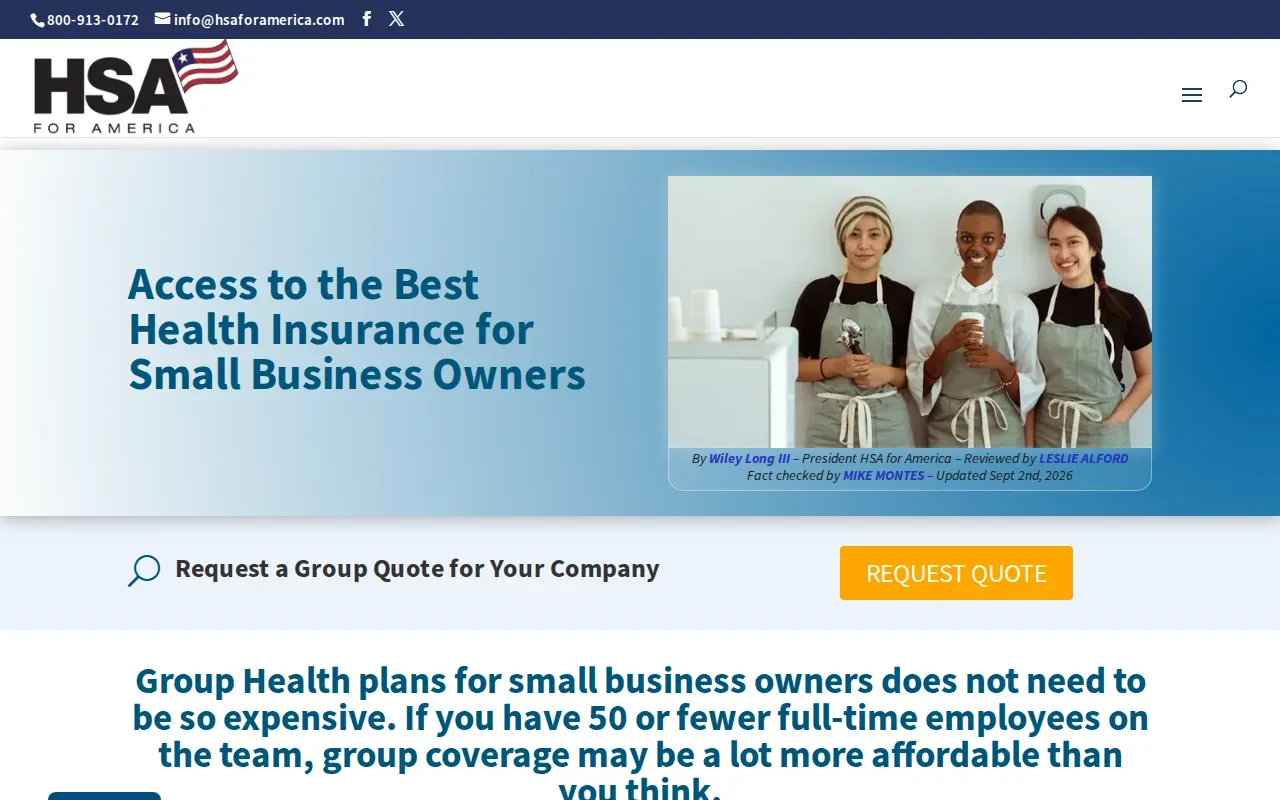
That local review can be useful when two plans have similar premiums but different deductibles, provider networks, or out-of-pocket costs. A dedicated benefits contact may also help an owner work through questions as the team compares choices. HSA for America’s materials discuss group coverage alongside alternatives such as health reimbursement arrangements.
Before moving ahead, ask how the proposed plan’s total employee costs compare, not only the monthly premium. Check how employees will access help after enrollment, too. The best fit is the option your team can afford and use.
2. New City Insurance: Health, vision, and dental benefits consultancy
New City Insurance is a benefits consultancy that works with health, vision, and dental coverage. Its materials describe a focus on engineering and biotech employers, including benefits consulting for life sciences businesses.
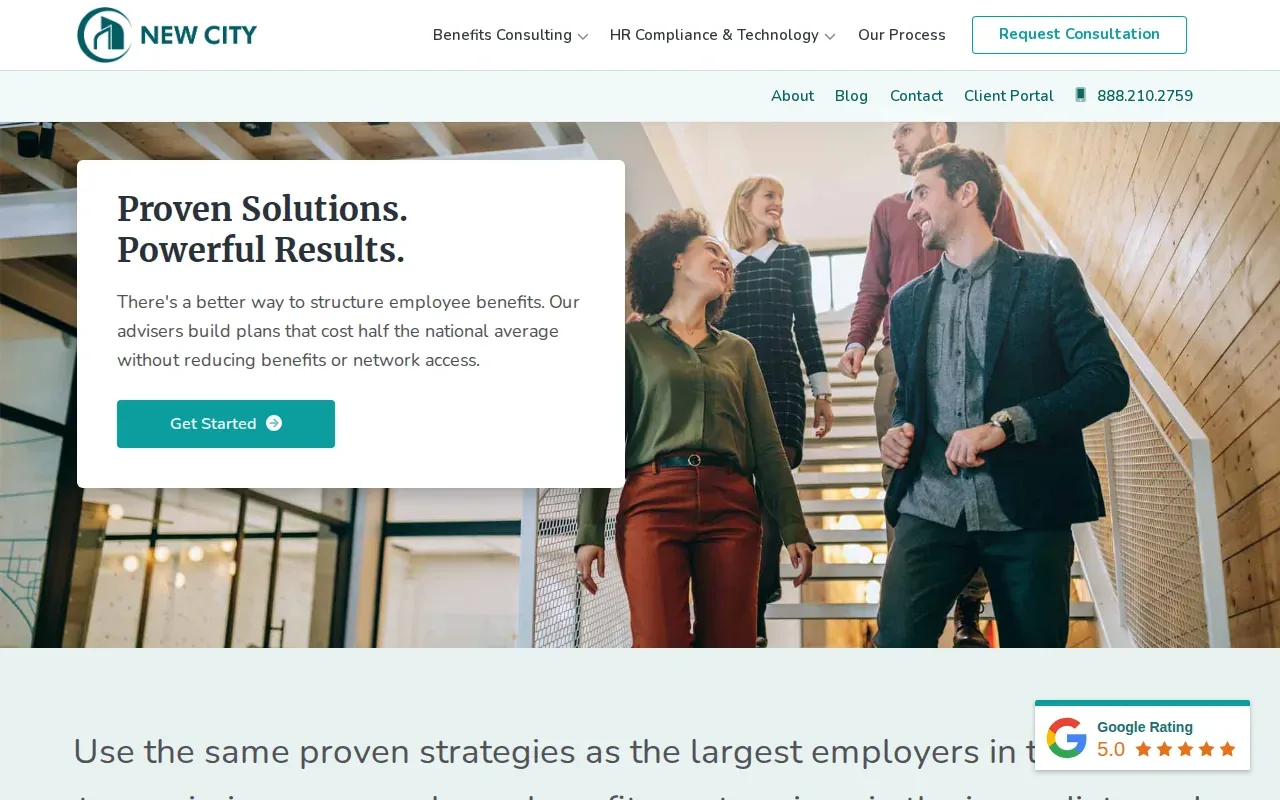
For a company in a technical field, industry experience can help frame discussions about employee benefits and hiring needs. New City says it assesses benefit needs, considers suitable plans and carriers, and reviews how benefits technology may connect with existing payroll and HR systems. That may matter to an employer trying to avoid a separate, manual enrollment process.
Ask how the firm will compare plan costs with employee coverage needs. You can also clarify which team will help with administration once enrollment begins. Those answers show whether the proposed support matches your daily workflow.
3. Aon: Benefits brokerage and consulting for employers
Aon is a benefits brokerage and consulting option for employers. It is a large global firm, so a small business should ask early which team would handle its account.
For a small employer, the useful test is how clearly a broker explains plan trade-offs. Ask for a side-by-side view of premiums, deductibles, copays, and provider access. Then ask who will answer staff questions during enrollment and what support continues at renewal.
Also ask how the firm’s proposed service fits your headcount and the time your own staff can spend on benefits tasks. A meeting should leave you with a clear account of roles, next steps, and the choices your team needs to make.
4. Lockton: Independent brokerage for customized benefits support
Lockton is an independent insurance brokerage that provides customized solutions for organizations’ risk, benefits, and retirement needs. Its broader benefits and retirement scope may interest employers who want to discuss more than medical coverage.

When comparing a customized approach with a set menu of plan choices, ask what the recommendation is based on. For example, ask how the proposed options reflect your employees’ needs and your contribution budget. A clear rationale makes it easier to explain the decision to staff and revisit it at renewal. For enhanced customer support and streamlined assistance, consider how platforms like IrisAgent integrate AI-driven solutions to improve client interactions.
Ask who will manage ongoing benefits questions, too. A tailored plan is only useful if the service model fits the way your company handles enrollment and employee support.
5. Thatch: ICHRA platform for personalized health benefits
Thatch is a platform for offering employee health benefits through an Individual Coverage Health Reimbursement Arrangement, or ICHRA. With an ICHRA, an employer reimburses eligible individual health coverage costs under the arrangement’s rules, rather than choosing one group policy for everyone.
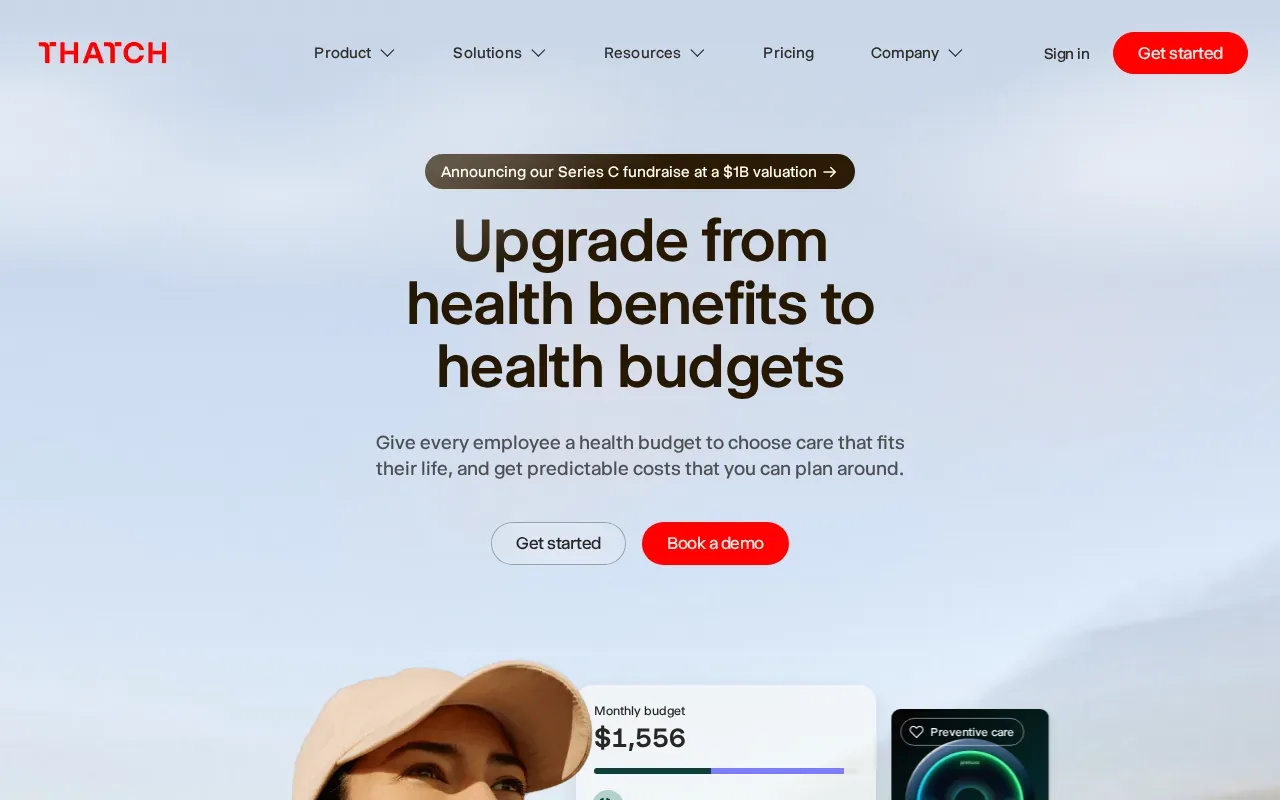
This model may fit a business that wants employees to choose individual coverage. It differs from a standard group plan, so ask how employees will shop for coverage and what help the platform provides during setup and use. Confirm how the arrangement will be administered before deciding it suits your team.
Review the employee experience as closely as the employer’s workload. If staff need help understanding reimbursement steps, find out how that help will work in practice.
6. TritonHR: HR and benefits support to investigate
TritonHR is an HR provider with employee benefits support. Employers considering it can use an initial discussion to understand how benefits work fits with the HR help they need.
Ask what support covers plan selection, enrollment, and employee questions. Then clarify who handles renewal tasks and what information your team must provide. These details help you judge the day-to-day fit without assuming that every firm uses the same service model.
The table below shows how common plan structures change the employer’s decision. Use it to guide the questions you bring to any brokerage conversation.
| Plan structure | What the employer should weigh | Useful question for a broker |
|---|---|---|
| Fully insured | The employer pays premiums for coverage set by an insurer. | What are the employee costs and network options? |
| Self-funded | The employer takes on claims costs, so funding risk needs careful review. | What support and risk protections are part of the proposal? |
| Level-funded | A set payment can combine claims funding with plan costs. | How are payments and possible end-of-year adjustments handled? |
| HMO or PPO | Network rules affect where employees can seek care. | Can employees keep their preferred doctors? |
| HDHP | A higher deductible can come with lower premiums. | What would employees pay before coverage begins? |
| HRA or FSA | These accounts have different rules and uses for eligible expenses. | Which account arrangement fits this plan and workforce? |
What to compare before you sign
A broker helps an employer assess coverage choices and manage parts of the benefits process. That can save staff time, but the exact service depends on the agreement. Ask for the work in writing, including enrollment support, renewal help, employee education, and compliance tasks.
Compare the full cost, not just the premium. Review deductibles and copays, then consider how much the employer will contribute. Ask how the broker is paid, such as through carrier commissions or a direct fee, and request a clear explanation of any charges that apply to your arrangement.
Plan types matter. Fully insured coverage shifts claim risk to the insurer in exchange for premiums. With self-funded coverage, the employer pays claims and takes on more financial risk. Level-funded plans use set payments, but ask how claims and any year-end balance are handled. An HMO or PPO describes network structure, while an HDHP has a higher deductible and may pair with an HSA if it meets eligibility rules. An HRA reimburses eligible costs under its terms; an FSA lets employees set aside money for eligible expenses under plan rules.
Compliance belongs in the conversation. Many private employer health plans are subject to ERISA, which sets standards for plan administration and participant information. Ask who prepares required notices and records, and have a qualified professional confirm your obligations.
For small employers, compare available coverage routes. Review small business coverage information. Eligibility and available plans can depend on where the business operates, so ask a broker to check local rules.
Frequently asked questions
What does a group health insurance broker do?
A group health insurance broker helps an employer compare coverage options and understand plan costs. Depending on the agreement, the broker may also support enrollment, explain benefits to employees, and help with renewals. Ask which services are included, how the broker is paid, and who handles compliance work before you sign.
How do brokers get paid for group health insurance?
Brokers may earn commission from an insurer, charge an employer a fee, or use another payment structure. The details can vary by arrangement. Ask for the payment terms in writing and confirm whether any direct fees apply. You should also ask how the broker’s compensation relates to the plans being presented.
What should a small business ask a health insurance broker?
Ask how the broker compares total employee costs, including premiums and out-of-pocket expenses. Find out who supports enrollment and answers employee questions. Also ask about renewal help, plan administration, and compliance responsibilities. Bring your headcount and budget so the broker can focus the discussion on options that fit your business.
What’s the difference between an HRA and an FSA?
An HRA is an employer-funded arrangement that reimburses eligible costs under its plan terms. An FSA lets employees set aside money for eligible expenses, subject to plan rules. They work differently, so ask how each would pair with your coverage and what administrative steps the employer must manage.
Does a small business have to offer health insurance?
Not every small business has to offer health insurance under federal rules. The ACA’s employer shared responsibility provisions generally apply to applicable large employers, while state rules and other requirements may also matter. Check your workforce size and location with a qualified benefits or legal professional before making a compliance decision.
Conclusion
Start with the service your team needs, then compare plan costs and ongoing support in writing. Life Care Benefit Services is one option for employers who also want to discuss life coverage and retirement planning. Request a consultation to review what may fit your business.