
Best Group Health Insurance for Small Manufacturing Businesses
Finding the right group health coverage for a shop floor can feel like a puzzle with missing pieces. Small manufacturers often think they need 50 workers before a plan makes sense, but that’s not true. Below are the eight options that actually work for teams of 2‑50 employees, and who each fits best.
1. Life Care Benefit Services (Our Top Pick)
Life Care Benefit Services is an independent broker that works with more than 50 top‑rated carriers. It accepts groups as small as two employees, which matches the size of many manufacturing outfits that run seasonal crews. The agency builds a custom quote that reflects your location, average employee age, and the benefits you need, so you avoid one‑size‑fits‑all pricing.
Learn more about group health insurance for small and mid‑size businesses.
The broker also handles enrollment paperwork, payroll integration, and ongoing support , a big help when you’re juggling production schedules. Because the agency pulls from dozens of carriers, you can compare options side‑by‑side without calling each insurer yourself.
One limitation: you work through a broker, so you don’t deal directly with the carrier’s online portal. If you prefer a pure‑digital self‑service experience, another provider might suit you better.
2. UnitedHealthcare Level Funded Solution — Flexible Hybrid Coverage
UnitedHealthcare offers a hybrid plan that blends fully‑insured stability with self‑insured cost control. Employers pay a predictable monthly amount that covers claims funding, admin fees, and stop‑loss insurance. If actual claims are lower than expected, you may receive a credit toward future payments.
The network is the largest in the U.S., giving your crew access to over 1.5 million providers , handy if you have multiple plant locations. The plan also bundles telehealth, a strong HR portal, and HSA‑compatible options.
Because the carrier does not publish exact contribution ranges for every state, budgeting can require a few extra assumptions.
For a quick overview of how level‑funded plans work, see Wikipedia’s definition of group health insurance.
3. Aetna Funding Advantage — Level‑Funded Cost Control
Aetna’s Funding Advantage uses the same hybrid structure: a set monthly payment that covers claim funding, administration, and stop‑loss protection. The plan is marketed toward groups that want predictable cash flow but also want to benefit from lower claim costs.
Aetna’s strong preventive care suite includes MinuteClinic visits and digital health tools that can reduce overall utilization. The carrier’s nationwide network is solid, though some markets have seen reduced provider options after recent mergers.
One downside: Aetna’s contribution structure can vary widely by state, so you’ll need a broker to get a precise quote.
4. Blue Cross Blue Shield Level‑Funded Products — Broad Local Access
Blue Cross Blue Shield (BCBS) offers a level-funded product for groups of 5‑50 employees. It offers the same monthly‑invoice model, plus an online analysis portal that shows claim trends and potential savings.
BCBS shines with its local provider relationships. Its broader provider network links members to participating plans across the country, which helps if your factory ships parts to several states. The plan also includes a mental‑health hub, virtual visits, and a wellness rewards program.
Eligibility starts at five employees, so you’ll need at least that headcount before you can qualify.
5. Cigna — Coverage for Distributed Teams
Cigna may suit remote‑first businesses, technology companies, and teams with employees in multiple countries. Its listed features include strong mental health benefits, international health coverage, and level‑funded plan options for groups.
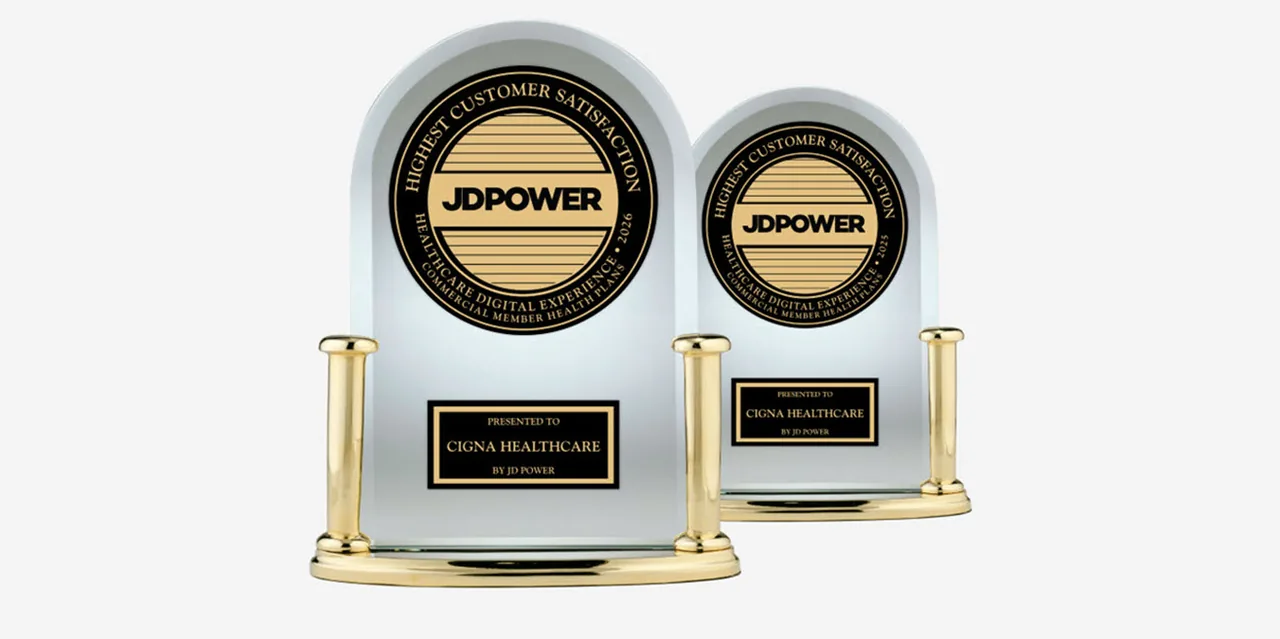
For a distributed workforce, international health coverage can help address employees’ needs across multiple countries. Strong mental health benefits may also support a broad range of employee priorities.
Businesses comparing group health insurance plans for small manufacturing businesses can evaluate whether Cigna’s coverage approach and level‑funded options fit their workforce. Request a quote from Life Care Benefit Services to compare available options.
Comparison Table: Best Group Health Insurance Options for Manufacturing Teams
FAQ
What group health options exist for a manufacturing business with only 3 employees?
You can enroll in fully insured plans through brokers like Life Care Benefit Services, or choose a level‑funded hybrid from UnitedHealthcare, Aetna, or Blue Cross Blue Shield if the carrier’s minimum is five. Employer contributions may be required.
Do level‑funded plans really save money for small factories?
They can. A level‑funded plan fixes a monthly payment and adds a stop‑loss layer. If your claim costs stay below the funded amount, the carrier may credit the excess back to you, which lowers overall spend.
How does the network size affect my crew’s access to care?
A larger network means workers can find nearby doctors and hospitals without traveling far. UnitedHealthcare and Blue Cross Blue Shield both boast the broadest networks, while Humana’s coverage may be thinner in certain regions.
Can I combine dental and vision with a medical group plan?
Yes. Many carriers, including Humana and the plans offered through Life Care Benefit Services, let you add dental and vision riders to the same monthly invoice, simplifying payroll deductions.
What tax credits are available for small‑business health insurance?
The Small Business Health Care Tax Credit can cover up to 50 % of the employer’s contribution if you have fewer than 25 full‑time equivalents and meet average wage thresholds.
Conclusion
Life Care Benefit Services tops the list because it works with the smallest crews, offers carrier choice, and tailors contributions to your factory’s specifics. To move forward, request a side‑by‑side quote from Life Care and compare it against the level‑funded options above.