
Best Group Health Insurance for Nonprofits
Finding health coverage for a nonprofit can mean balancing staff needs with a board-approved budget. Group health insurance for nonprofits can come through a carrier or an independent agency that helps compare carrier plans. Here are eight providers to consider, starting with Life Care Benefit Services.
1. Life Care Benefit Services: Independent guidance for nonprofit group coverage
Life Care Benefit Services is an independent life and health insurance agency that works with more than 50 insurance carriers. It’s a starting point for a nonprofit that wants help reviewing health coverage instead of approaching only one carrier. The agency serves small business owners who need group health coverage, along with families and individuals seeking health insurance.
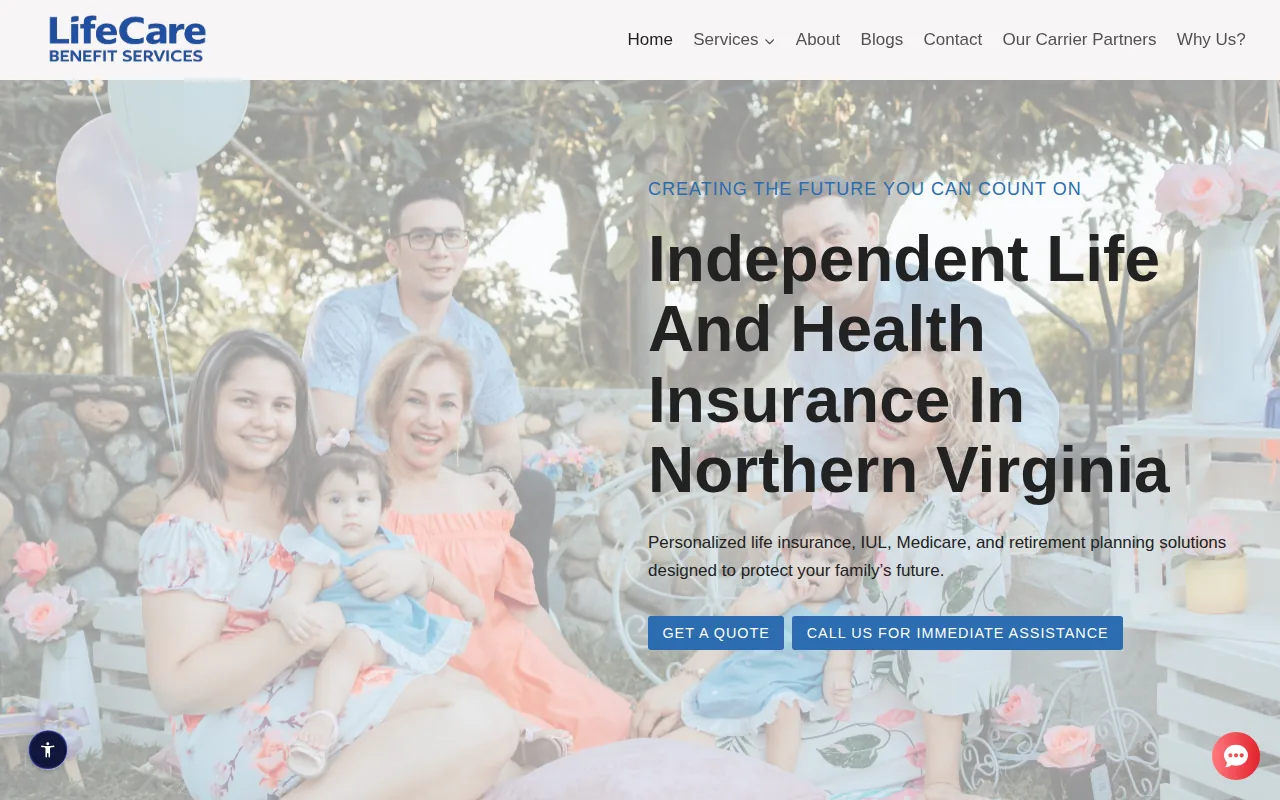
Life Care Benefit Services says its licensed advisors review plans from top-rated carriers and explain the pros and cons of each option. For a nonprofit, that conversation can help turn broad goals into specific questions: which doctors employees use, what the organization can contribute, and which benefits staff value most.
The agency also handles individual and family health coverage, including ACA plans. That can be useful when a nonprofit leader or board member needs personal coverage rather than an employee plan. Ask which group plans fit your state, staff count, and budget before making a choice.
2. Kaiser Permanente: Integrated care and insurance in supported markets
Kaiser Permanente combines health coverage with care through its own hospitals and employed physicians. It’s worth considering for a nonprofit whose employees live in areas where its care network is available and who prefer an HMO model.
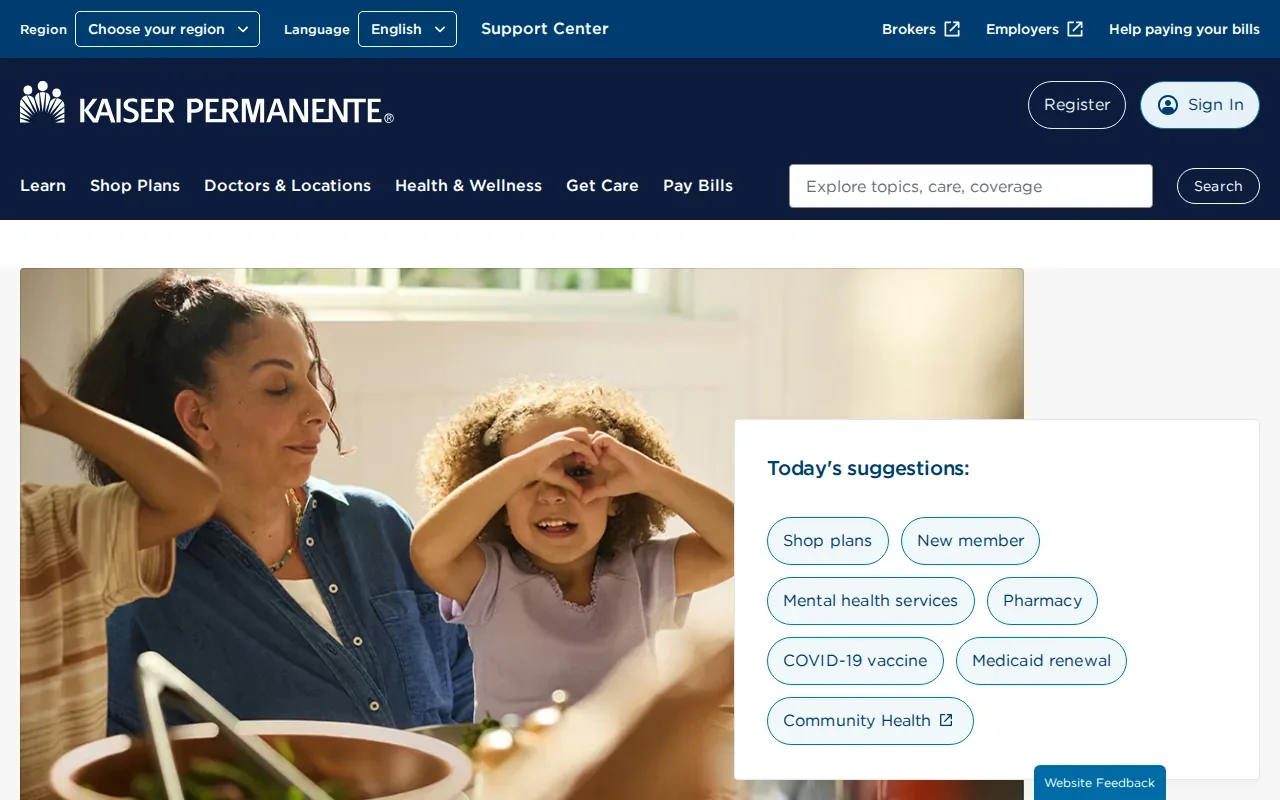
Kaiser Permanente’s network includes 618 medical offices and 40 hospitals, and it has a four-star NCQA rating. Those figures give buyers two useful points to check: how close care sites are to employees and how the rating applies to the specific plan being quoted.
Before you compare premiums, map employees’ home and work locations against the available service area. Then ask about primary care access, specialist referrals, out-of-network coverage, and the cost employees pay when they use care. A large network count won’t tell you whether a nearby clinic or a staff member’s current doctor is covered.
3. Health Net: Employer plan options to investigate by state
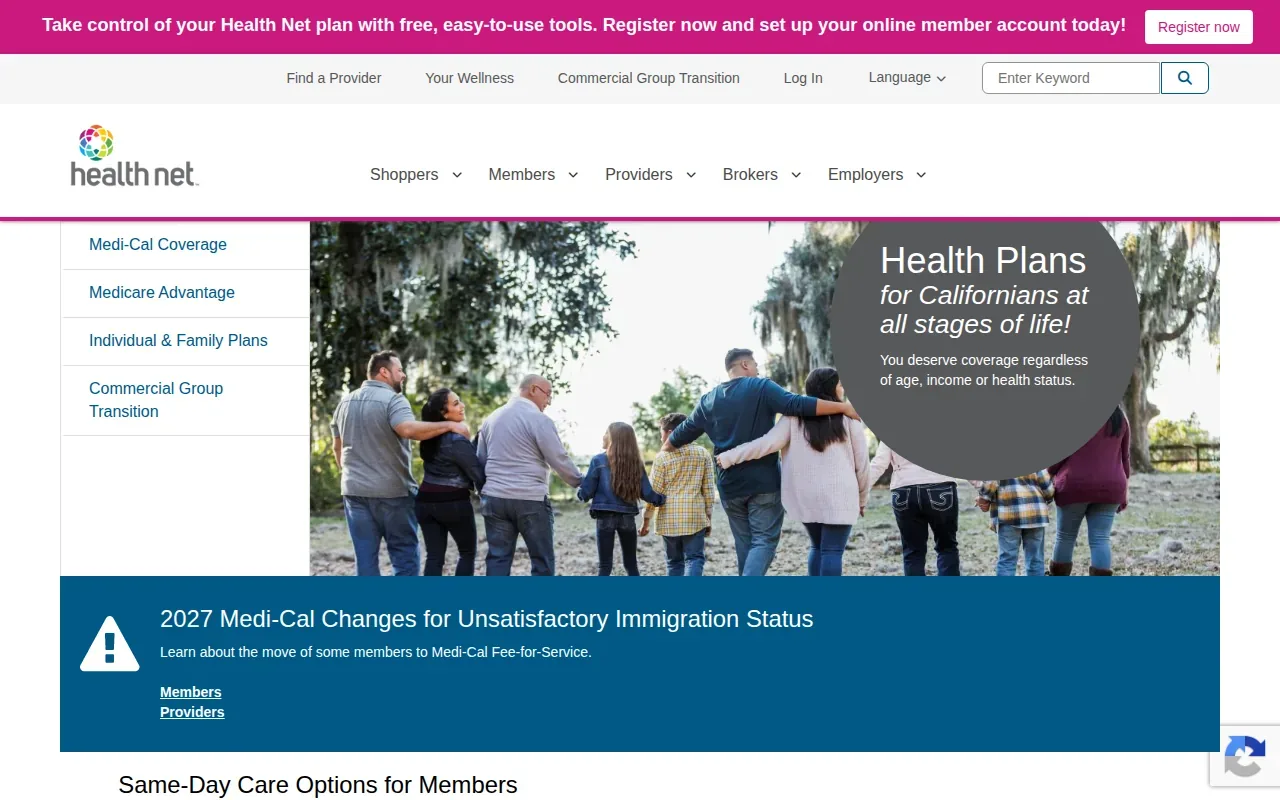
Health Net provides quality affordable health plans for individuals, families, Medi-Cal members, Medicare members, and businesses. For a nonprofit evaluating coverage, compare the network and plan design together. Ask what services are covered and whether staff can choose among available plan designs.
Ask for the written plan details and compare coverage, provider access, and costs for each option. Review the information carefully so the organization can assess whether a plan fits its needs.
That approach may suit an organization comparing medical coverage options. Confirm that the specific options apply to your state and group. If employees work across state lines, check access for each location rather than assuming one plan works equally well for everyone.
4. Oscar: A group-plan option to assess against employee needs
Oscar is a provider to include in a quote review when it operates in your area. That makes a direct quote and plan document important parts of the comparison.
Ask for the plan’s provider directory, summary of benefits, prescription coverage details, and employee cost share. Then compare those documents with the needs your staff has raised. If your team values digital tools or virtual care, ask which services are included in the quoted plan and how employees access them.
Don’t choose based on a broad brand description. A plan’s local network and cost-sharing rules matter more to an employee who needs a nearby specialist or takes a regular prescription.
5. MVP Health Care: Regional group plans to check against local needs
MVP Health Care is another provider to investigate when your nonprofit’s staff is in its service area.
Start by asking for plan documents tied to your organization’s location and employee count. Check the provider directory for the doctors and hospitals your staff uses. Then compare deductibles, copays, prescription coverage, and the share of premiums the employer would pay.
If employees live in more than one area, ask how the plan handles care outside its main service region. Use the same questions for every quote. That keeps the comparison useful even when carriers describe their plans in different ways.
6. Premera Blue Cross: Northwest employer coverage to evaluate
Premera Blue Cross says it provides health plans for individuals, families, and many Northwest companies. For a nonprofit in that region, it’s a name to include when seeking employer coverage quotes.
Ask which plan options are available to your group and where each network applies. A Northwest footprint alone won’t show whether employees can reach the care they need. Check the directory using actual staff locations, then review the plan’s cost-sharing details and prescription coverage.
If the nonprofit has remote staff, ask how care works for employees outside the main service area. A clear answer can help the board judge whether a regional carrier fits a workforce that may be spread across several locations.
7. Regence: Regional carrier plans for nonprofit employers to review
Regence is a carrier for nonprofit employers to check when exploring regional coverage. Plan details vary, so confirm which designs or networks fit a particular nonprofit. Treat it as a quote candidate, not a match until the details line up.
Ask for the plan’s service area and provider directory before comparing price. Review how the plan handles referrals, out-of-network care, and prescription costs. If employees have preferred doctors, check each one by name and location.
For a board review, request a written side-by-side summary of the plan’s monthly premium, employer contribution, deductible, and out-of-pocket limit. Those figures make it easier to see what the organization pays and what staff may pay when they need care.
8. HealthPartners: Employer plan options with regional provider networks
For a nonprofit comparing group health insurance, review current plan information and request a quote before making a decision. Compare the quoted benefits, provider networks, eligibility rules, and costs so the organization can assess the options available to its employees.
Ask for details that apply to the specific group and plan under consideration. For example, confirm how eligibility works for employees who live in different locations and what services are included. Reviewing plan documents can help clarify which benefits and network arrangements apply.
A careful comparison can help a nonprofit evaluate whether an option fits its workforce and budget. Consider the needs of employees when reviewing coverage, and ask questions about any details that are unclear before choosing a plan.
9. Priority Health: Michigan-focused group coverage to compare
Priority Health is an option to include in your comparison. Confirm directly which plans are available to your nonprofit and whether they fit your employee count.
For a Michigan nonprofit, ask which plans fit the organization’s employee count and how each plan handles care across the state. Review the provider network and the cost employees face when they use services. If your staff has varied care needs, compare the plan documents instead of relying on a broad summary.
Priority Health can be one quote in a Michigan-focused comparison. Keep the same budget and employee questions for each carrier so the board can judge the trade-offs on equal terms.
Compare these nonprofit group health insurance options
These providers don’t all serve the same areas or operate in the same way. Use the table to narrow your first questions, then compare written plan details for options that fit your location.
| Option | Useful first check | Best starting point when |
|---|---|---|
| Life Care Benefit Services | Which carrier plans fit your state, group size, and budget? | You want independent guidance across carriers. |
| Kaiser Permanente | Are its care sites and HMO network accessible to staff? | Employees live in a supported market and prefer integrated care. |
| Health Net | Which employer plans are sold in your state? | Your nonprofit wants to compare local HMO or PPO choices. |
| Oscar | What do the plan documents say about network, cost, and digital care? | You want another quote for a fair plan comparison. |
| MVP Health Care | Which plan documents match your location and group? | Your staff is within its service area. |
| Premera Blue Cross | Do the network and plan options fit your Northwest workforce? | Your nonprofit operates in the Northwest. |
| Regence | What service area and provider network come with the quote? | You’re comparing regional carrier options. |
| HealthPartners | Is your headquarters in an eligible state for small-group coverage? | Your nonprofit is based in Minnesota, Wisconsin, North Dakota, South Dakota, or Iowa. |
| Priority Health | Which employer plan fits your Michigan group size? | Your organization is based in Michigan. |
For small employers, an online resource may offer another place to begin exploring coverage. Check current eligibility and plan availability before treating it as an option for your organization.
Coverage, eligibility, costs, and compliance nonprofits should verify
Health insurance can help a nonprofit compete for staff, especially when the organization can’t match private-sector pay. But coverage only helps if employees can afford to enroll and use it. Start with the care your team values, then set a budget the board can support.
Compare the plan’s medical benefits first. Then check whether dental, vision, mental health care, and telehealth are included or available separately. Ask what wellness support comes with the plan. Don’t assume these services are part of every quote.
Eligibility depends on the plan’s rules and applicable state requirements. Ask which employees qualify, how part-time staff are treated, and whether volunteers can enroll. If the organization has seasonal staff or multiple locations, get the rules in writing before setting an enrollment date. You can also review group health insurance participation requirements when checking who may need to enroll.
Build a full cost picture. Compare monthly premiums and the employer’s proposed share, then estimate what employees pay through deductibles, copays, and coinsurance. Ask whether the carrier can show costs for more than one plan design. A lower premium may come with higher costs when staff use care.
Review coverage information and treat access and affordability as separate questions. Keep plan documents and enrollment records together, and confirm which rules apply to your organization before enrollment.
Frequently asked questions about nonprofit group health insurance
Can a nonprofit offer group health insurance to employees?
Yes, a nonprofit can explore employer-sponsored group health coverage if it meets the plan’s eligibility rules and state requirements. The organization’s legal status alone doesn’t determine which plans it can buy. Ask carriers or an independent agency to confirm options based on your location, employee count, and workforce setup.
Can volunteers get health insurance through a nonprofit?
Sometimes, but volunteer eligibility depends on plan terms and applicable rules. Don’t assume volunteers qualify on the same terms as employees. Ask the carrier to explain who counts as an eligible participant, how hours or work status affect enrollment, and whether the plan permits volunteer participation.
What should a nonprofit compare when reviewing group plans?
Compare the provider network, covered services, monthly premium, employer contribution, and employee cost-sharing. Check prescription benefits too. Use the same employee locations and care needs for every quote, then review the written plan documents. That helps the board compare the real trade-offs rather than just the headline premium.
Can a nonprofit use an individual plan instead of group coverage?
Yes, leaders and board members may look at individual coverage for their own needs, while eligible employees may have access to a group plan. The right path depends on each person’s situation and the organization’s benefits approach. Life Care Benefit Services can discuss individual and group health coverage options with you.
Does the ACA require every nonprofit to offer health insurance?
No single answer fits every nonprofit. Federal employer duties can depend on workforce size and other facts, while state rules and plan requirements may also apply. Confirm your organization’s position with a qualified benefits adviser or tax professional before deciding not to offer coverage or setting up enrollment.
Conclusion
Start with Life Care Benefit Services if you want help comparing carrier options for your nonprofit, then request written quotes from providers that serve your area. Before the board decides, compare the network, employee costs, and eligibility rules in each plan document.