
Top Small Construction Health Insurance Rates
Construction owners, health insurance rates can feel hard to pin down. No single rate fits every crew, so compare the coverage routes and cost factors before you set a benefits budget.
Here are 11 options, starting with Life Care Benefit Services, plus the questions to ask when you request quotes.
1. Life Care Benefit Services
Life Care Benefit Services is an independent life and health insurance agency that helps small businesses explore group health coverage. It’s the first place to start if you want traditional group insurance and help comparing available plans.
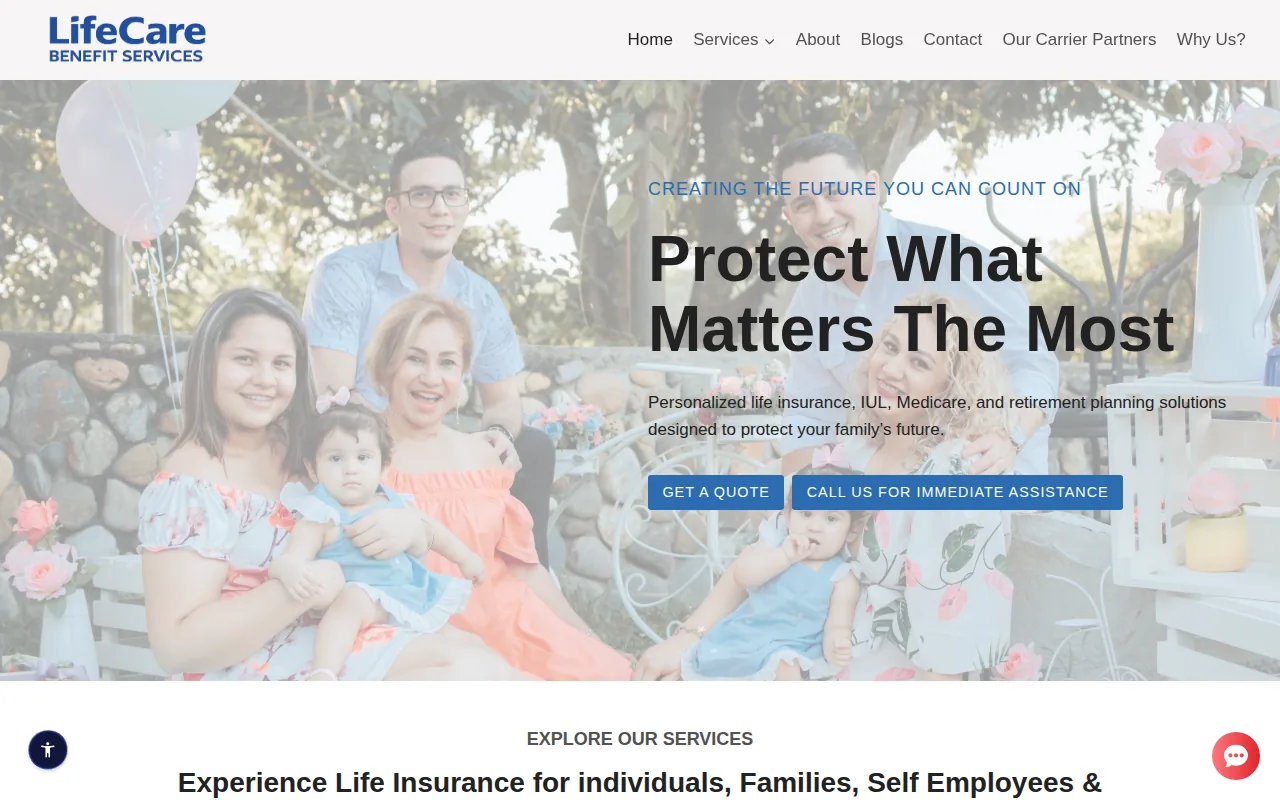
The agency works with more than 50 insurance carriers and provides personalized insurance options. That can help a contractor compare potential plan designs without relying on a single carrier’s menu. To see how the agency approaches coverage for your trade, review its group health insurance options for small construction firms.
Rates, employer contributions, and plan availability aren’t listed as fixed amounts. Your quote will depend on factors such as location, employee ages, plan design, and participation. A broker can also help check whether the network fits crews who live or work across county lines.
2. Qualified Small Employer HRA (QSEHRA): An Option for Smaller Construction Companies
A Qualified Small Employer HRA (QSEHRA) is an attractive option for smaller construction companies. It is a tax-advantaged health reimbursement arrangement.
When comparing group health benefit options, smaller construction companies can consider this tax-advantaged arrangement. Its appeal for this audience is that it is suited to smaller construction companies and offers a health reimbursement arrangement.
For a smaller construction company reviewing its benefit options, QSEHRA is one arrangement to consider.
3. Level-Funded Plans: A Middle Ground on Cost and Risk
Level-funded coverage combines a set monthly payment with a funding arrangement tied to the group’s claims and plan costs. It may suit a contractor who wants steadier payments than a fully self-funded plan while seeking more visibility into how claims affect total cost.
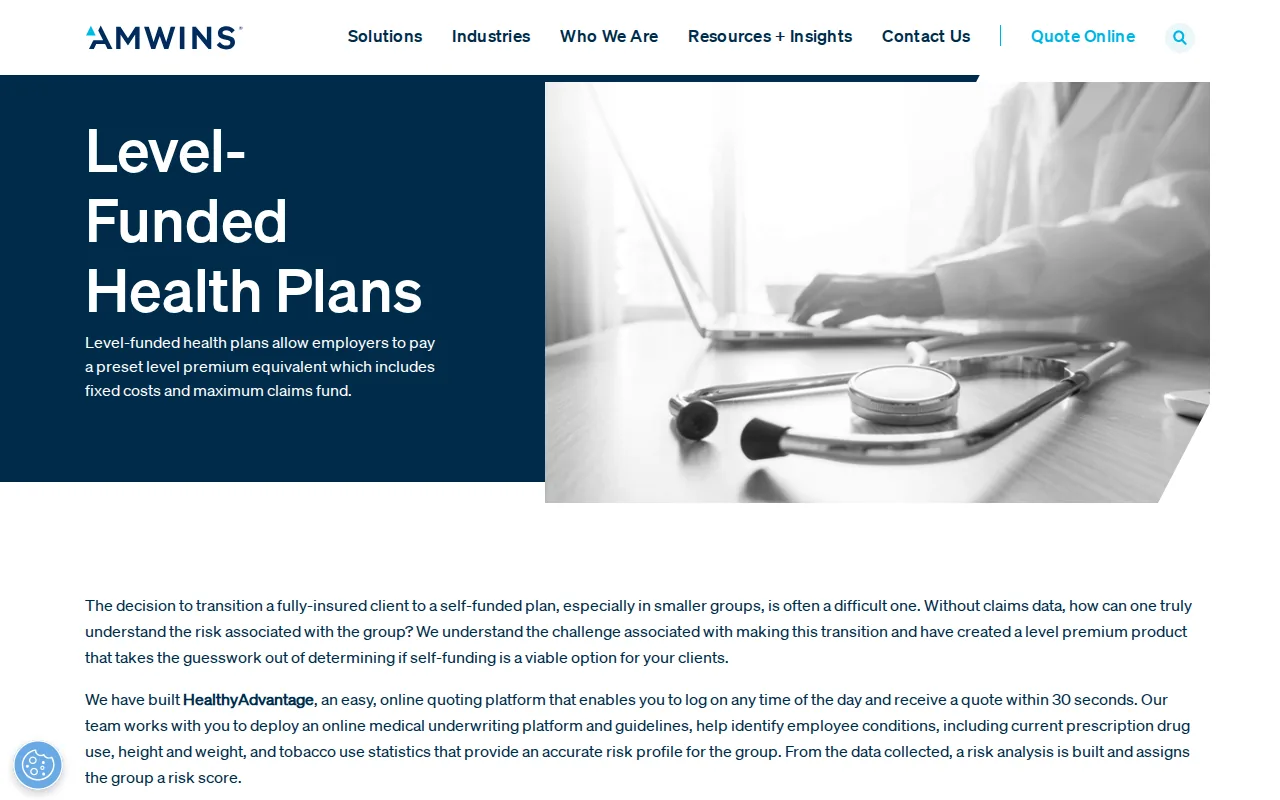
Construction firms should look past the first-year payment. Seasonal hiring can change enrollment, while crews working in more than one area may need a broader network. Ask the broker to explain what happens to unused claim funds, how stop-loss protection works, and what renewal terms apply. These details vary by plan.
It isn’t automatically cheaper than fully insured coverage. Compare the total expected cost, the risk limits, and the rules for a year with higher claims before choosing it.
4. Self-Funded Plans: More Control for Employers Prepared for Risk
With self-funded coverage, an employer pays claims as they arise instead of paying an insurer to take on all claim risk. A small contractor may consider it when the business has stable cash flow and can manage less predictable costs.
Many employers use a third party to handle plan tasks, and stop-loss insurance can limit exposure above set amounts. But the employer still needs a clear plan for claim swings. One costly period can strain a small firm’s cash flow, especially when payroll and project costs already shift by season.
Ask for a written model that explains monthly funding, claim administration, stop-loss limits, and renewal steps. If the estimate depends on a claim history your business can’t provide, ask what assumptions the estimate uses.
5. Qualified Small Employer HRA (QSEHRA): An Option for Smaller Construction Companies
A Qualified Small Employer HRA (QSEHRA) can be an attractive option for smaller construction companies. This tax-advantaged health reimbursement arrangement may be worth considering when reviewing group health insurance options and rates. For background, review the available small-business health coverage information.
For construction firms, enrollment timing matters. A crew can grow or shrink as projects start and end, so ask how employee eligibility and participation rules apply to your workforce. Don’t assume every worker on a job site has the same status for plan purposes.
6. Qualified Small Employer HRA (QSEHRA)
A Qualified Small Employer HRA (QSEHRA) is an attractive option for smaller construction companies considering health benefits. It is a tax-advantaged health reimbursement arrangement.
For a smaller construction company reviewing health benefit options, a QSEHRA offers a tax-advantaged reimbursement arrangement. Its fit for smaller construction companies makes it an option to consider when evaluating employee benefits.
7. Qualified Small Employer HRA (QSEHRA): An Option for Smaller Construction Companies
A Qualified Small Employer HRA (QSEHRA) is an attractive option for smaller construction companies. It is a tax-advantaged health reimbursement arrangement.
For a small construction company considering health benefits, a QSEHRA offers a reimbursement arrangement with tax advantages. It may be worth considering as an option for a smaller company.
8. Qualified Small Employer HRA (QSEHRA)
A Qualified Small Employer HRA (QSEHRA) is an attractive option for smaller construction companies. Its coverage feature is a tax-advantaged health reimbursement arrangement.
For a smaller construction company considering a health reimbursement arrangement, QSEHRA is an attractive option. The arrangement is tax-advantaged, making it a tax-advantaged health reimbursement arrangement for smaller construction companies to consider.
In brief, QSEHRA is an attractive option for smaller construction companies, with a tax-advantaged health reimbursement arrangement.
9. Association Health Plans: Potential Pooling for Small Contractors
An association health plan may let businesses that meet the group’s rules seek coverage through an association. It may interest contractors who want to explore pooled options beyond an individual company plan.
Don’t assume membership guarantees a lower rate or broad coverage. The association’s eligibility rules, plan details, state rules, and provider network all matter. Ask whether workers’ home areas and project locations are covered, and check how the plan handles a change in membership or workforce size.
Compare the association option with a standard small-group quote using the same benefit levels. That makes it easier to see whether the terms suit your crew rather than just the association’s headline pitch.
10. Health Sharing Plans: A Budget-Focused Non-Insurance Alternative
Health sharing plans are non-insurance arrangements that may appeal to construction businesses seeking a budget-focused alternative. They can have a different cost structure from regulated insurance, so they shouldn’t be treated as a direct substitute for a group health policy.

Review the written membership rules closely. Ask what costs may be shared, what exclusions apply, and whether payment for a particular medical bill is guaranteed. Employees should understand those limits before they rely on the arrangement to pay for care.
This route may not meet the expectations of workers who want conventional insurance coverage. Compare it with a traditional group plan and explain the difference in plain language before making it an employee benefit.
11. Direct Primary Care: A Primary-Care Benefit Add-On
Direct Primary Care, or DPC, is a primary-care arrangement with a flat monthly fee and access to primary-care visits. For construction firms, it may work as an added benefit, but it does not replace insurance for hospital care or other services outside its scope.

A DPC arrangement can sit alongside insurance or another benefits setup. Make sure employees know where primary care ends and insurance begins. A clear handoff matters when a worker needs a specialist, emergency care, or services not included in the DPC arrangement.
| Decision point | What to check | When it may fit |
|---|---|---|
| Monthly cost | Confirm the fee and who pays it. | When the employer wants a set primary-care benefit cost. |
| Care scope | Ask which primary-care services and visits are included. | When employees want easier access to routine primary care. |
| Insurance gap | Confirm how hospital, specialist, and emergency care are covered. | Only when paired with a clear plan for care outside DPC. |
| Job-site access | Check clinic locations and access for workers who travel. | When the provider can serve employees near home or work. |
DPC can help fill a primary-care need, but it is an add-on rather than full health insurance. Keep that distinction clear in employee materials.
Frequently Asked Questions
How much is group health insurance for a small construction company?
There’s no single rate for a small construction company because pricing varies by location, employee ages, plan design, and participation. Employer contribution choices also affect the company’s share of the bill. Request quotes using the same benefit design so you can compare premiums, deductibles, networks, and employee costs on equal terms.
What affects small construction company health insurance rates?
Rates can change with the company’s location, workforce size, employee ages, coverage level, and plan type. Construction firms should also check how seasonal hiring and participation affect eligibility or available plans. A crew that works across several counties may need a broader network than a team based at one location.
How should a small contractor compare group plan arrangements?
There isn’t one arrangement that suits every contractor. Compare total costs, risk limits, cash flow needs, and renewal terms to find an approach that fits the company’s circumstances.
Could a QSEHRA suit a small construction company?
A Qualified Small Employer HRA (QSEHRA) is an attractive option for smaller construction companies. It is a tax-advantaged health reimbursement arrangement.
How should a small construction company compare health plan designs?
The right choice depends on employee needs and the networks available where workers live and travel. Compare the full cost of care, not the premium alone.
Conclusion
For conventional group coverage, start by asking Life Care Benefit Services for quotes and a clear comparison of plan designs. Share your employee count, locations, expected employer contribution, and network needs. Then compare the full cost, not just the monthly premium, before choosing coverage for your crew.