
Best Key Person Life Insurance for Small Business
If one person keeps your business moving, their sudden loss could put revenue and daily work at risk. Key person life insurance for a small business can give the company funds to manage that change. Here are five policy options, with the trade-offs to weigh before you request a quote.
We analyzed 42 comments from YouTube and Reddit about key person life insurance for small businesses and found that 33% mentioned incorrect policy ownership and missing consent.
1. Principal Term Life: straightforward coverage for a key person
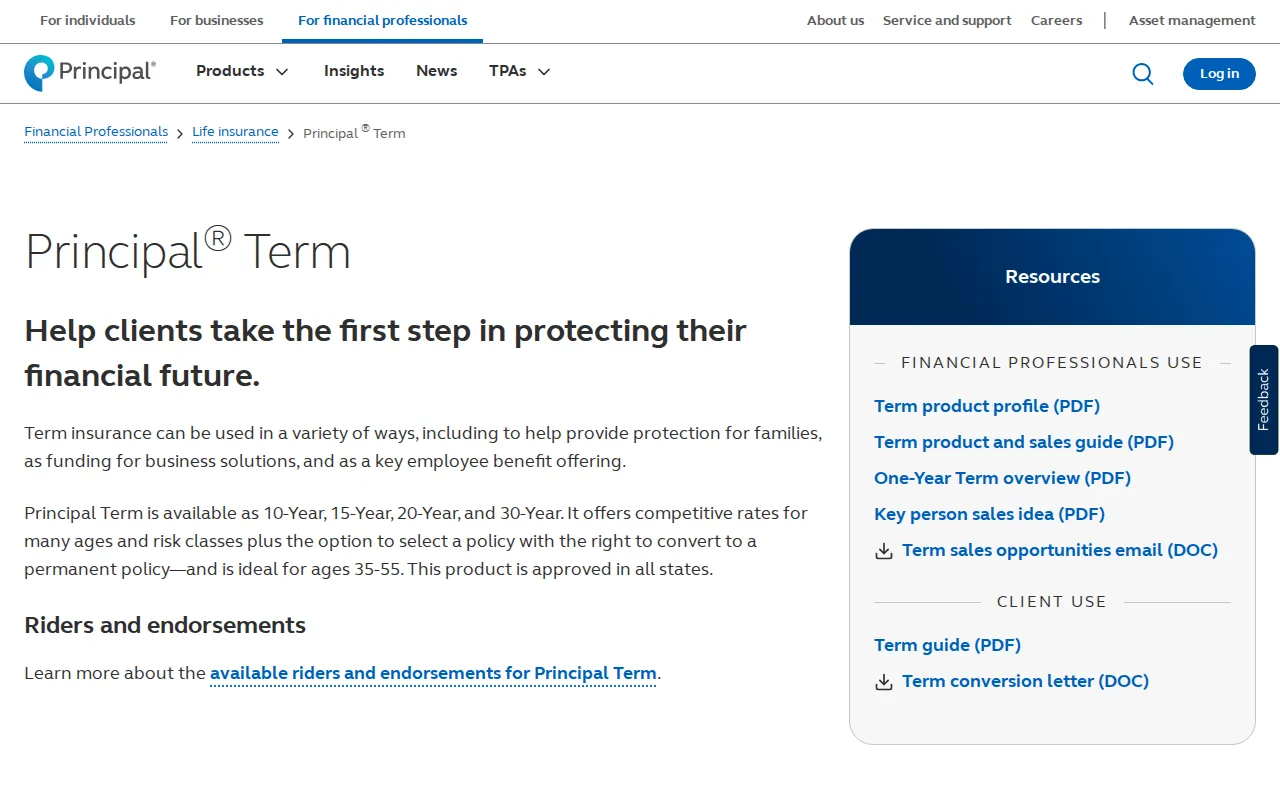
Principal Term Life is term coverage for business owners and key employees. It can fit a company that needs protection during a defined period, such as a loan term or a planned leadership transition. The business can own the policy and receive the death benefit if the insured person dies while coverage is active.
Term coverage is often a sensible starting point when a small business needs a death benefit without a cash-value goal. The company should first name the specific risk: perhaps a founder holds key client ties, or a lead employee manages work that would take time to replace. The payout can help cover lost revenue during the handoff, pay business debt, or fund the search for a replacement.
Principal Term also offers a chronic-illness rider that allows access to the death benefit for chronic illness. Rider rules and eligibility matter, so review the contract before relying on this feature.
A term policy is temporary. The right length should line up with the period of risk, not just the lowest first-year premium. Consider how long the company would need to repay debt or shift client relationships after a key person’s death.
For a broader look at how owners balance business and family protection, Life Care Benefit Services also covers life insurance strategies for small business owners.
2. Principal Universal Life: permanent coverage with cash value
Principal Universal Life is permanent life insurance with a cash-value component. It may suit a company that expects to insure a key person for the long term, rather than for one short business phase. The company still needs a clear reason for the death benefit, such as protecting a key revenue source or giving the team time to keep operations steady.
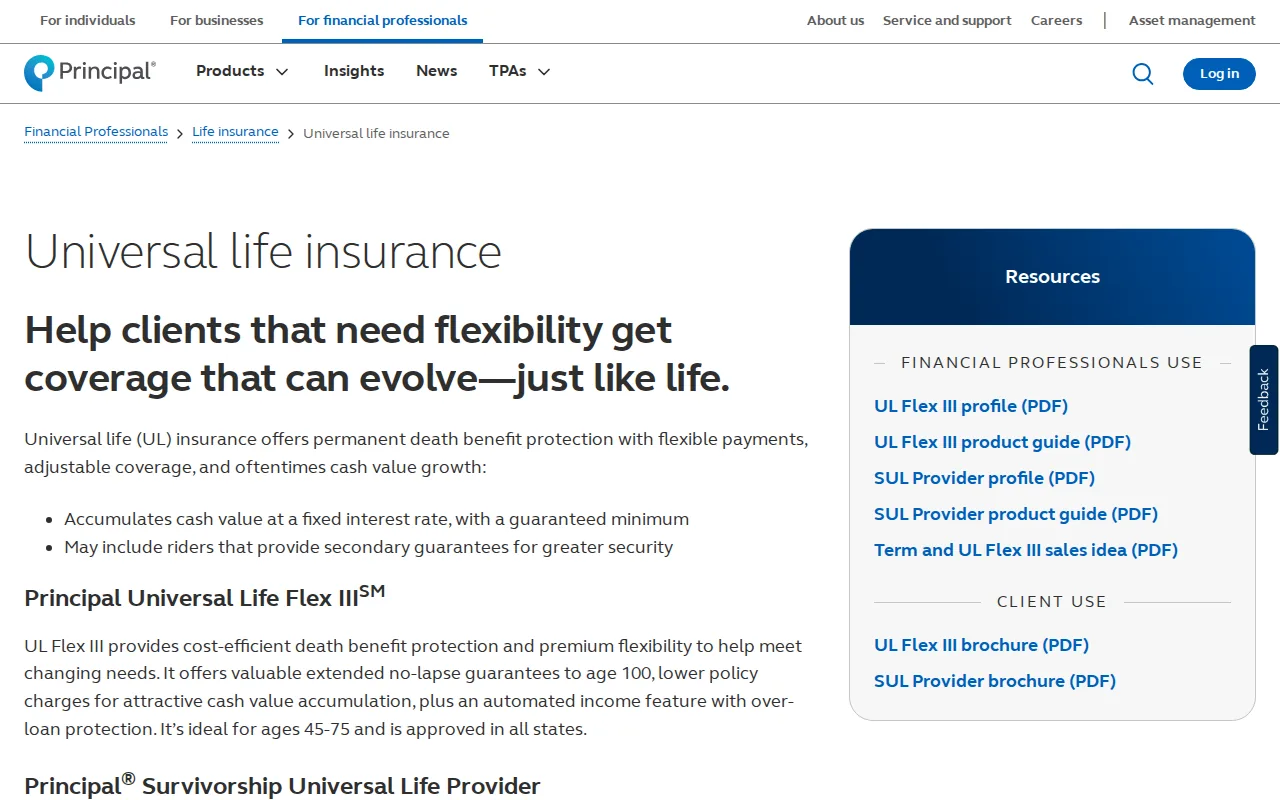
Universal life policies can have flexible payments and adjustable coverage, but policy terms govern how those features work. The cash value also needs careful review. Ask how policy charges affect it and what funding pattern is needed to keep the coverage in force. A small business should not treat the cash value as ready-to-spend operating cash without checking the policy rules.
One listed feature is a chronic-illness rider. It may allow access to the death benefit if the insured has a qualifying chronic illness for 90 days. That could give the insured a way to access funds during a serious health event, but using an accelerated benefit can reduce the amount left for the business after death. Read the rider’s terms and discuss how a claim would affect the company’s plan. Coverage terms and availability can vary.
This option is worth reviewing when the company needs ongoing protection and can support long-term premium commitments. It is less suited to a short, fixed need where a term policy may match the time frame more simply.
3. Principal Indexed Universal Life: indexed cash-value potential
Principal Indexed Universal Life is permanent coverage with an indexed cash-value component. It may interest a business owner who wants a death benefit alongside cash-value potential. That does not make it a direct replacement for business savings or a retirement plan. The policy’s purpose, charges, and funding need to fit the company’s cash flow.
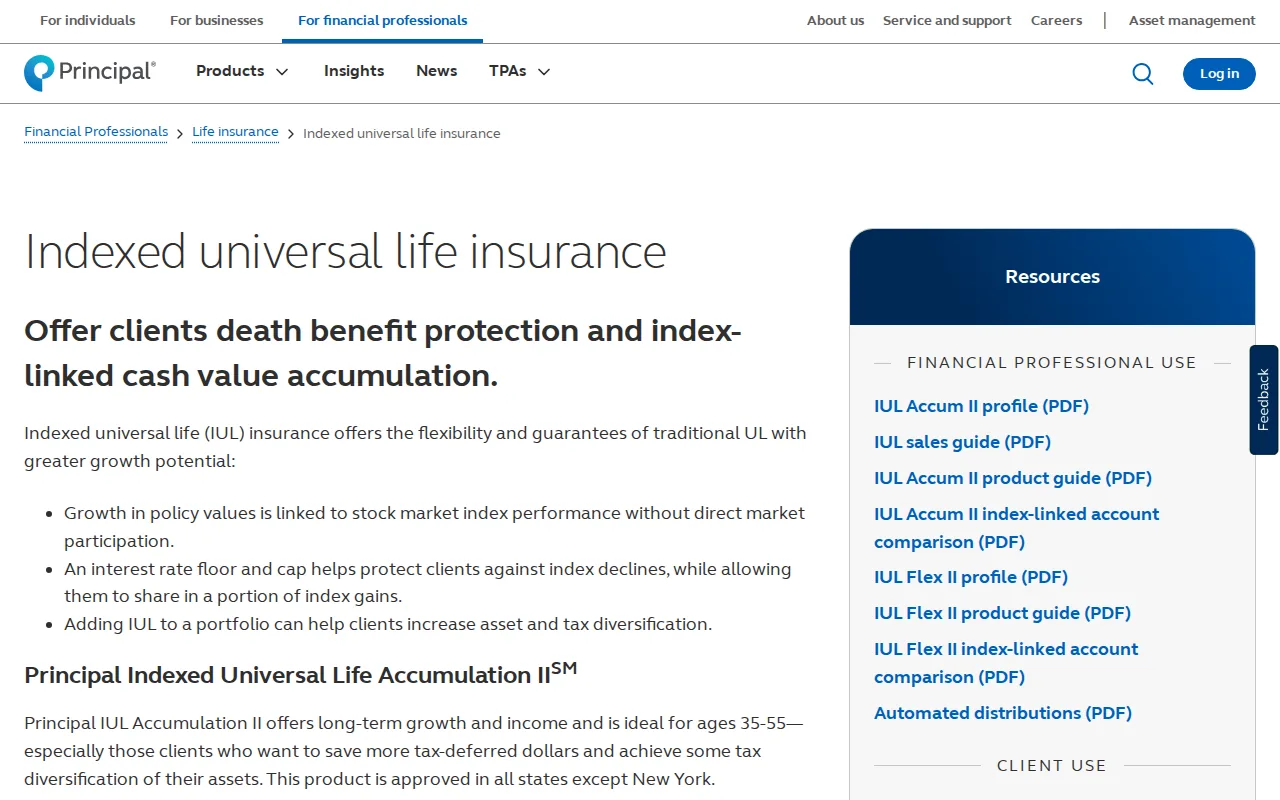
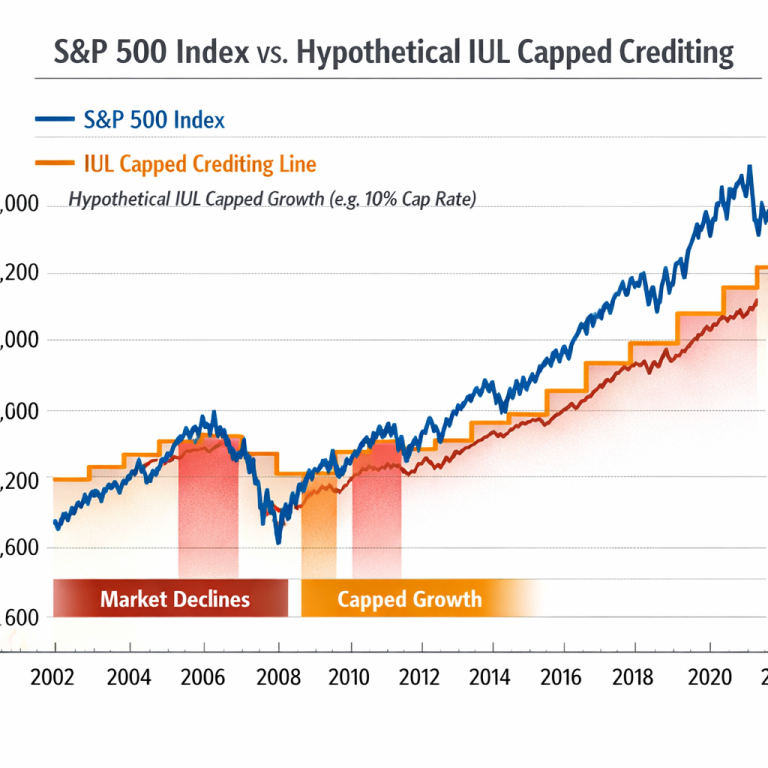
Indexed universal life is different from direct stock investing. The policy’s cash-value growth is tied to an index method described in its contract. The actual terms matter more than a broad label such as “market-linked.” Ask the advisor to show how the policy works under different assumptions, including periods of weak growth, and review any limits, charges, or other conditions in the illustration.
For key person coverage, keep the business risk in view. Estimate the cost of a transition if the insured person dies, then decide whether the death benefit supports that need. Cash value is a separate policy feature, not a substitute for choosing a suitable death benefit. Life Care Benefit Services works with carriers and can help owners compare coverage goals with policy design.
Choose this type only after understanding how the policy’s index method affects cash value and how its costs fit the business budget. A projection is an illustration, not a promise of future growth.
4. Principal Variable Universal Life: market-based investment exposure
Principal Variable Universal Life is permanent coverage with cash value tied to investment options. It may fit a business owner who is willing to accept investment risk as part of a life insurance plan. Principal describes this category as suitable for people with higher risk tolerance who want death benefit protection and value linked to market performance.
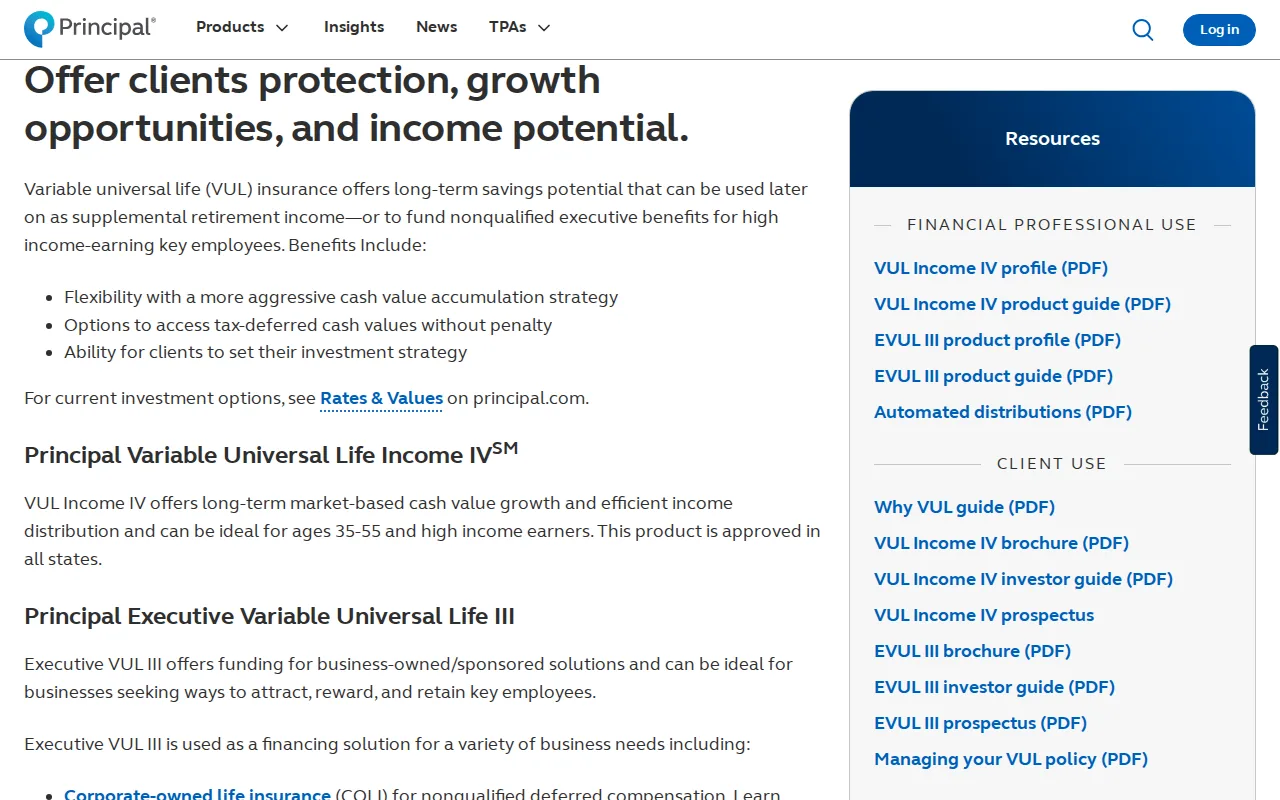
That market link cuts both ways. The value can fall, and the policyholder may lose principal invested. Policy fees also matter. Review the investment choices, charges, and surrender terms before deciding whether the potential growth fits the company’s purpose. If the business needs a predictable amount of cash for payroll or debt, do not count on variable policy value to meet that obligation.
A company considering this policy should separate two questions. First, how much death benefit would help the business manage a key person’s loss? Then, does the business have a sound reason to take investment risk inside the policy? Term coverage differs from universal, indexed universal, and variable universal options.
Keep investment risk in the same review as insurance needs. A policy may have a long-term savings aim, but the business still needs enough accessible reserves for routine costs and unexpected interruptions.
5. Executive VUL III: a key-employee retention and savings option
Executive VUL III is a variable universal life policy designed for business-owned or sponsored plans. It may suit a company seeking a way to attract, reward, or retain a key employee. It offers long-term savings potential through market-based cash-value growth. As with other variable life policies, investment value can fall, and fees apply.
This is different from a basic key person policy used only to protect the company against the loss of a critical employee. Executive VUL III may be considered as part of an employee benefit arrangement, but the business needs to define who owns the policy, who pays, and who receives benefits. Those details affect how the plan works and should be reviewed with qualified insurance, legal, and tax professionals.
Variable life insurance carries market risk, including the possible loss of principal. A business should review the prospectus and policy materials before choosing investment options.
| Business goal | What to review | Decision point |
|---|---|---|
| Protect against a key person’s death | Who owns the policy and receives the benefit | Does the payout match the likely transition need? |
| Support a key employee benefit | Plan design and employee eligibility | Can the business maintain the plan over time? |
| Add market-based cash value | Investment options, fees, and risk | Can the company accept value changes? |
Before selecting an executive plan, compare its retention goal with the company’s core continuity needs. A benefit designed for one employee may not replace a separate policy meant to protect operating cash after a death.
Key Person Life Insurance for Small Business FAQs
What is key person life insurance?
Key person life insurance is a policy a business takes out on an employee or owner whose loss could harm the company. The business typically owns the policy, pays premiums, and receives the death benefit. It can use the proceeds to help manage a transition, such as covering debt or hiring a replacement. The policy’s ownership and beneficiary terms should match the company’s plan.
How much key person coverage does a small business need?
There is no single amount that fits every company. Estimate the likely cost of lost revenue during a transition, debt the business would still owe, and the cost of hiring or training a replacement. Then account for cash the business can use without disrupting operations. An advisor can help test that estimate against policy options and the company’s budget.
Is term or permanent coverage better for a key person?
Term coverage can fit a need tied to a set period, such as a loan or a planned transition. Permanent coverage may suit a longer need and can include cash value, depending on the policy type. Permanent policies also require attention to funding, charges, and policy terms. The better fit depends on why the business needs coverage and how long it expects to need it.
Can a business use the payout to hire a replacement?
Yes. A business can use a key person death benefit to help cover the costs of replacing the insured person. It may also help with lost revenue or business debt during the handoff. The payout does not guarantee the company will recover, so pair insurance with a continuity plan that names who will lead the transition and how key work will be covered.
How do I compare key person life insurance options?
Start by defining the business risk and the period of protection needed. Compare the policy’s death benefit, term or permanent structure, riders, funding needs, and any cash-value risks. Confirm who owns the policy and receives the benefit. Life Care Benefit Services can review options from its carrier partners and explain the trade-offs with a licensed insurance advisor.
Conclusion
For a time-limited business risk, start by comparing term coverage with the transition period you need to protect. If the need is ongoing, review permanent options with an advisor and weigh their costs and risks. Life Care Benefit Services can help you estimate a coverage target and request a quote that fits your company’s needs.