
Best Life Insurance With Cash Value Options
Could life insurance do more than pay your family after you die? Some permanent policies build cash value you may access while you’re alive, but the rules depend on the policy. Here are five options to consider, starting with Life Care Benefit Services for help comparing coverage and asking the right questions.
We analyzed 65 comments from Reddit and YouTube about life insurance cash value and found that 23% mentioned the comparison of cash value to term and other investments.
1. Life Care Benefit Services: Personalized Help Comparing Cash-Value Policies
Life Care Benefit Services is an independent insurance agency that helps people compare life coverage and plan for retirement. It works with more than 50 insurance carriers and can review options based on your goals, budget, and coverage needs.
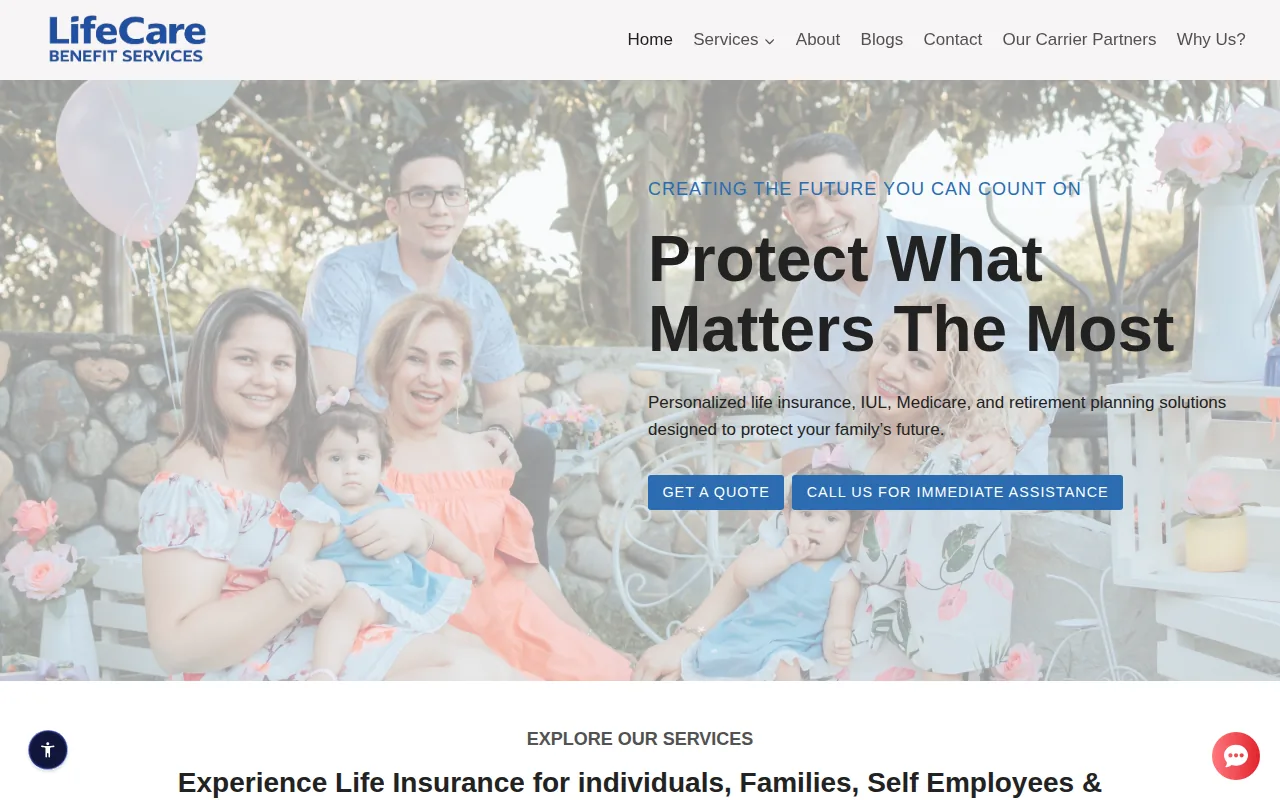
That can help if you’re weighing a permanent policy against other family priorities. A homeowner may want to protect a mortgage while also asking whether a policy can build cash value. A small-business owner may want to discuss succession or retirement planning. The agency says its licensed advisors explain the pros and cons of plan options before you choose.
When you meet with an advisor, ask for a written illustration that shows premiums, cash value over time, policy charges, and the death benefit. Ask how loans or withdrawals affect the coverage your family would receive. You can also use Life Care Benefit Services’ explanation of how indexed universal life cash value works to prepare questions about index-linked crediting.
Cash-value policies can be hard to compare by name alone. The illustration and the policy terms matter more than a sales label.
2. YourLife Indexed UL Accumulator by Nationwide: Indexed Universal Life Accumulation Potential
YourLife Indexed UL Accumulator by Nationwide is an indexed universal life policy. It’s intended for people who want permanent life coverage with the potential to build cash value for later use, including as a source of retirement income.

Its cash-value crediting can use fixed or indexed interest strategies. Indexed universal life doesn’t put the policy’s money directly into stocks. The credit depends on the policy’s terms, and a past index result doesn’t predict future crediting. Nationwide says the policy has tax-deferred cash-value growth and income-tax-free access, subject to contract rules.
The flexible-premium structure may appeal to someone whose income changes over time. Still, flexibility doesn’t remove the need to fund the policy enough to cover its costs. Nationwide notes that life insurance has charges, and that guarantees depend on the company’s ability to pay claims.
Before choosing it, compare the guaranteed values with the illustrated values. Ask how a lower crediting result or a loan could affect the policy later.
3. Asset-Care by OneAmerica: Whole Life Coverage With Long-Term Care Benefits
Asset-Care by OneAmerica is a whole life insurance policy designed to help pay for long-term care expenses if they arise. It combines life insurance with a stated purpose: helping address care costs during the policyholder’s lifetime.
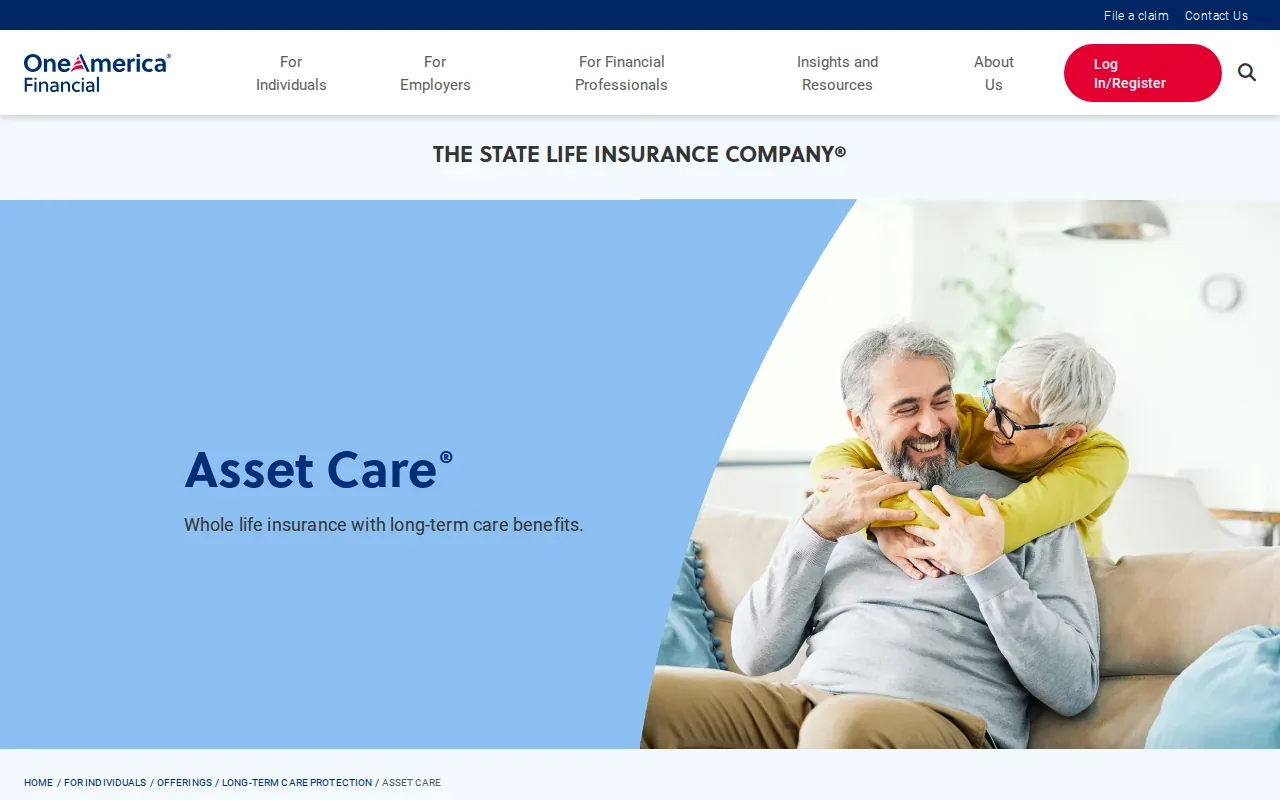
This may be worth discussing if you’re thinking about how a future need for care could affect savings set aside for a spouse or family. Ask how the long-term care benefit is triggered, which services qualify, and how using the benefit changes the amount left for beneficiaries. Those details should come from the policy contract and an illustration made for your case.
Whole life policies generally use a set premium structure and can build cash value under policy terms. But don’t assume the cash value and the long-term care benefit are two separate pools of money. Ask the advisor to show how each benefit works together, including what happens if you never need long-term care.
For a family focused on care costs, this option’s stated long-term care purpose may shape the conversation. It still needs to be compared with standalone coverage and the household’s ability to keep paying premiums.
4. Pacific Horizon IUL 2: Flexible Indexed Universal Life Coverage
Pacific Horizon IUL 2 by Pacific Life is indexed universal life insurance. The product information describes it as a versatile option designed to help meet a client’s needs over a lifetime, with a client profile that typically includes a business owner.

As with other indexed universal life coverage, the policy’s index strategy is not the same as investing directly in the stock market. Interest crediting follows the contract’s rules. Premium flexibility can be useful when income shifts, but the policy still has charges that must be covered to keep it in force.
For a business owner, the planning discussion may include personal protection and how coverage fits with a broader business plan. Ask for an illustration that shows how premiums, charges, and different crediting assumptions affect cash value. Also ask what policy loans or withdrawals would do to the death benefit and how long the coverage is projected to last under those assumptions.
A product description alone can’t show whether a specific policy fits your budget. Compare the illustration with your planned time horizon and the amount of life coverage your family needs.
5. DreamSecure Whole Life Insurance: Permanent Coverage
DreamSecure Whole Life Insurance by American Family Insurance is permanent coverage intended to help provide financial protection for loved ones. It may fit someone who wants lifelong protection and values a whole life policy structure.
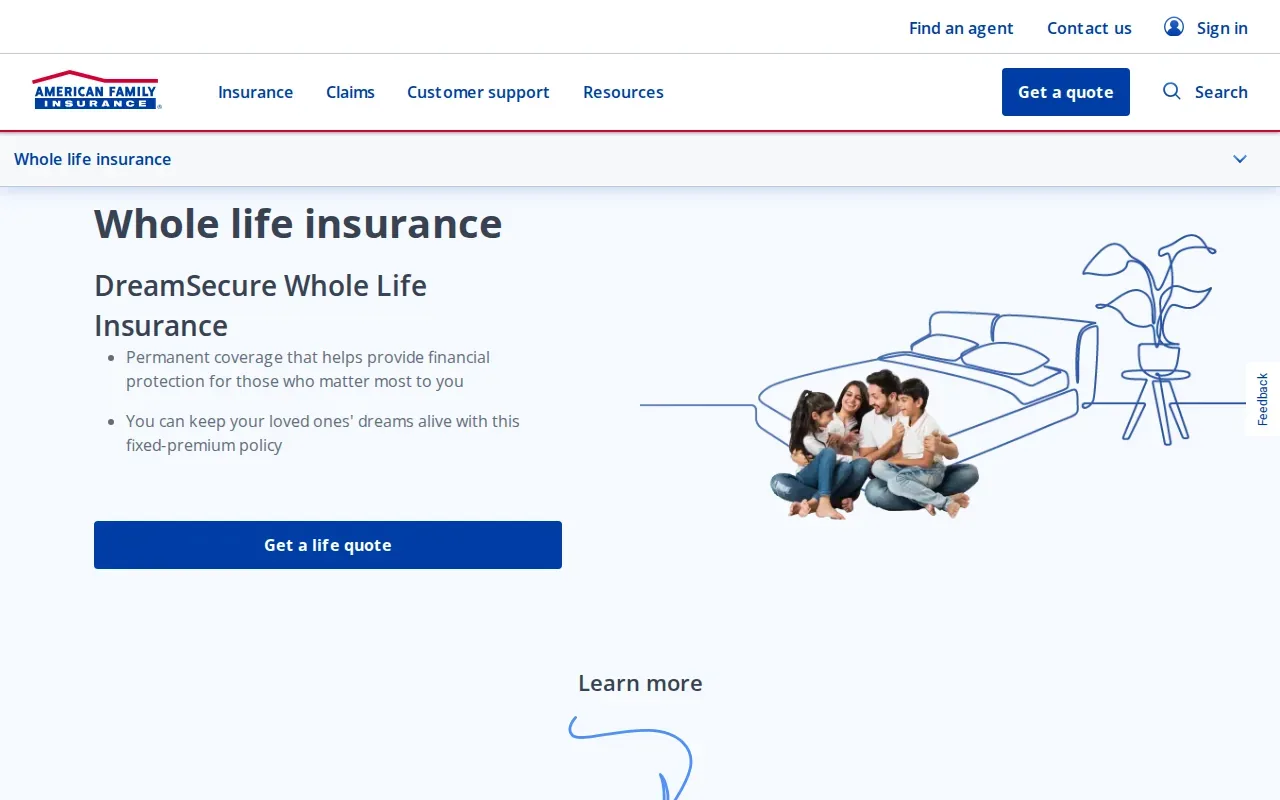
Whole life is one of the main forms of permanent insurance that can build cash value. Its growth pattern differs from indexed universal life, where crediting depends on an index-linked strategy. A whole life policy may suit someone who prefers a more predictable design, while the exact guarantees and cash values depend on the contract.
Ask for the policy’s guaranteed values and any illustrated values in separate columns. Then check the premium schedule and ask what happens if you stop paying. If you’re considering the policy for a child or a young adult in your family, be clear about who owns it and who would pay premiums over time.
Life Care Benefit Services can help put a whole life option beside other permanent coverage for a direct comparison. Focus on the protection your family needs first, then decide whether the cash-value feature supports a clear financial goal.
Compare These Cash-Value Life Insurance Options
These options differ in what they’re designed to address. The table is a starting point for a conversation, not a substitute for policy terms or a personalized illustration.
| Option | Policy approach | Best starting question |
|---|---|---|
| Life Care Benefit Services | Independent agency comparing carrier plans | Which policy fits my budget and protection goal? |
| YourLife Indexed UL Accumulator | Indexed universal life with flexible premiums and cash-value strategies | How do the crediting assumptions affect future values? |
| Asset-Care | Whole life policy designed to help pay long-term care expenses | How do care benefits change the death benefit? |
| Pacific Horizon IUL 2 | Indexed universal life coverage | How do charges and funding affect policy duration? |
| DreamSecure Whole Life Insurance | Permanent whole life coverage | What values are guaranteed under the contract? |
Cash value is the part of a permanent policy that can build inside the contract. Premiums help pay for insurance costs and other policy charges; the amount that can accumulate depends on policy design and funding. Whole life, universal life, indexed universal life, and variable life use different methods. Variable life ties cash value to investment performance, so values can rise or fall with the chosen investments.
Cash value may be available through a policy loan, a withdrawal, or surrendering the policy. Each route has trade-offs. A loan can accrue interest and reduce what beneficiaries receive if it remains unpaid. A withdrawal can lower cash value or the death benefit. Surrender ends the coverage and may involve charges under the contract. A policy loan or withdrawal can also have tax effects if the policy lapses or is surrendered. Indexed universal life is not a direct investment in the market.
Tax treatment depends on the contract and how you use it. Cash value often grows tax-deferred, but that doesn’t mean every withdrawal or loan is tax-free in every situation. Ask an insurance professional and a tax advisor to review the policy’s tax status before you take money out.
Optional riders can add benefits, such as support for long-term care or a benefit tied to disability. They can also add cost. Ask what each rider pays, what conditions apply, and how it changes the policy’s values.
Frequently Asked Questions About Life Insurance With Cash Value
What is life insurance with cash value?
Life insurance with cash value is permanent coverage that can build a savings component within the policy. The insurer applies the policy’s rules to premiums and cash value, while policy charges also affect growth. Whole life, universal life, indexed universal life, and variable life have different designs. Review the contract and illustration to see how a specific policy works.
Can I take money out of my life insurance cash value?
Often, you can access cash value through a loan, withdrawal, or surrender, if the policy terms allow it. These choices can reduce the death benefit or end coverage. Loans may accrue interest, and tax results depend on the contract and its status. Ask the insurer to show the effect before taking money out.
Does cash value grow at a guaranteed rate?
Not always. Growth depends on the policy type and contract. Whole life may have guaranteed values, while universal life uses insurer-set rates. Indexed universal life credits interest under an index strategy’s terms, and variable life values depend on investment performance. Compare guaranteed values with non-guaranteed illustrations, and don’t treat projected growth as certain.
Can cash value pay my life insurance premiums?
Some policies may let cash value help cover premiums or policy charges, subject to contract rules and available value. Using it this way can reduce the amount that remains in the policy. Ask how long the coverage is projected to last if cash value pays costs, and what premium payments may be needed to keep coverage active.
Conclusion
Start by deciding whether your main goal is lifelong protection, flexible premiums, or help with possible long-term care costs. Then ask Life Care Benefit Services for a side-by-side review and written illustrations that show costs, guarantees, and the impact of using cash value before you apply.