
Best Retirement Planning Service Options for 2026
Choosing a retirement planning service can feel tough when you’re weighing investments, insurance, and future income at once. Here are five U.S. providers with different approaches, plus a note on how Life Care Benefit Services may fit if insurance is part of your plan.
We analyzed 57 comments and questions from YouTube, Reddit and Quora about retirement planning services and found that 14% mentioned simplicity versus advanced functionality.
1. Ameriprise Financial: Flexible financial planning and retirement advice
Ameriprise Financial provides personalized financial advice and retirement investment advice through its financial advisors. Its planning can be shaped around your goals, whether retirement is the main concern or one part of a wider financial picture.
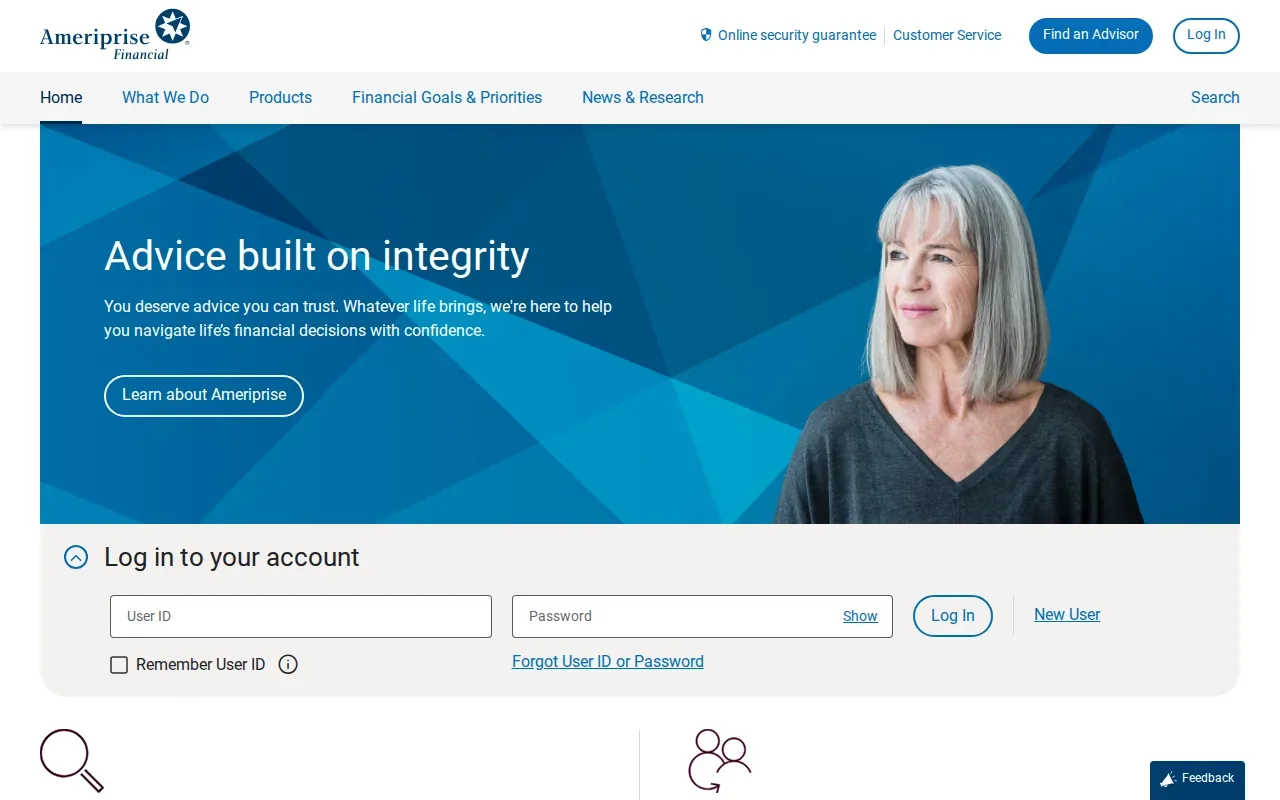
This may suit someone who wants to talk through changing needs over time. A retirement date can shift after a job change, a move, or a family milestone. Ameriprise describes regular conversations about goals, life events, investments, and milestones, so those changes can be part of the planning relationship.
The firm also has digital tools for clients to access accounts and work with an advisor. That can help if you want to review your plan between meetings or prefer to handle some tasks online. Ameriprise says an initial consultation is complimentary, which gives you a chance to discuss your goals before deciding whether to move ahead.
Ask what the advisor’s ongoing service includes. For example, clarify how often you’ll meet, what changes count as a reason to revisit the plan, and how investment advice is paid for. Those details help you judge whether the relationship matches the kind of support you want.
Ameriprise may be worth considering if you want personal advice with digital account access and regular planning conversations.
2. EP Wealth Advisors: Fee-only planning with tax and estate integration
EP Wealth Advisors provides fee-only financial advice and retirement planning. Its approach brings financial planning together with tax and estate considerations, then builds a custom portfolio around a client’s goals.

This approach may appeal to people who want retirement investments considered alongside other parts of their financial plan. A portfolio decision can affect more than the account balance. It may also connect to how you expect to draw income later or how you intend to pass assets to family.
Before working with an advisor, ask how the firm coordinates tax and estate topics with your other professionals. Financial advisors can help you think through these areas, but tax filing and legal documents may call for separate expertise. Make sure you know who handles each task and how information moves between them.
“Fee-only” describes how an advisor is paid, but it doesn’t tell you the full cost of a relationship by itself. Ask for a clear explanation of the fee that would apply to your situation and what service it covers. Then compare that scope with the planning work you actually need.
EP Wealth Advisors may be a fit if you want retirement planning tied to tax and estate discussions, along with a portfolio shaped around your goals.
3. Waverly Advisors: Retirement plan consulting for employers
Waverly Advisors provides retirement plan consulting for employers. That makes it a different kind of option from an advisor focused on one household’s retirement accounts.

For a small business owner, an employer retirement plan brings several decisions into the same conversation. The business must consider what plan arrangement fits its needs and how it will explain the plan to staff. A consultant focused on retirement plans may be relevant when the owner wants help with the employer side of that work.
Before engaging a consultant, spell out what help you need. Are you looking for advice about the plan itself, support for employees who have questions, or guidance as the business reviews its benefits? The answer can help you assess whether the service matches the task rather than assuming individual retirement advice is included.
Employees also have personal choices to make. Their savings goals, other accounts, and expected retirement dates may differ from one another. An employer plan consultant and an individual financial advisor do different jobs, so workers may still need personal guidance for their own finances.
Waverly Advisors is most relevant when the decision belongs to a business sponsoring a retirement plan, not a household seeking a personal portfolio review.
4. Wells Fargo Advisors: A broad range of advisory and investment services
Wells Fargo Advisors provides financial advice, investment services, brokerage services, and online trading for retirement goals. Its materials describe a dedicated-advisor path, with options to connect in person or online.
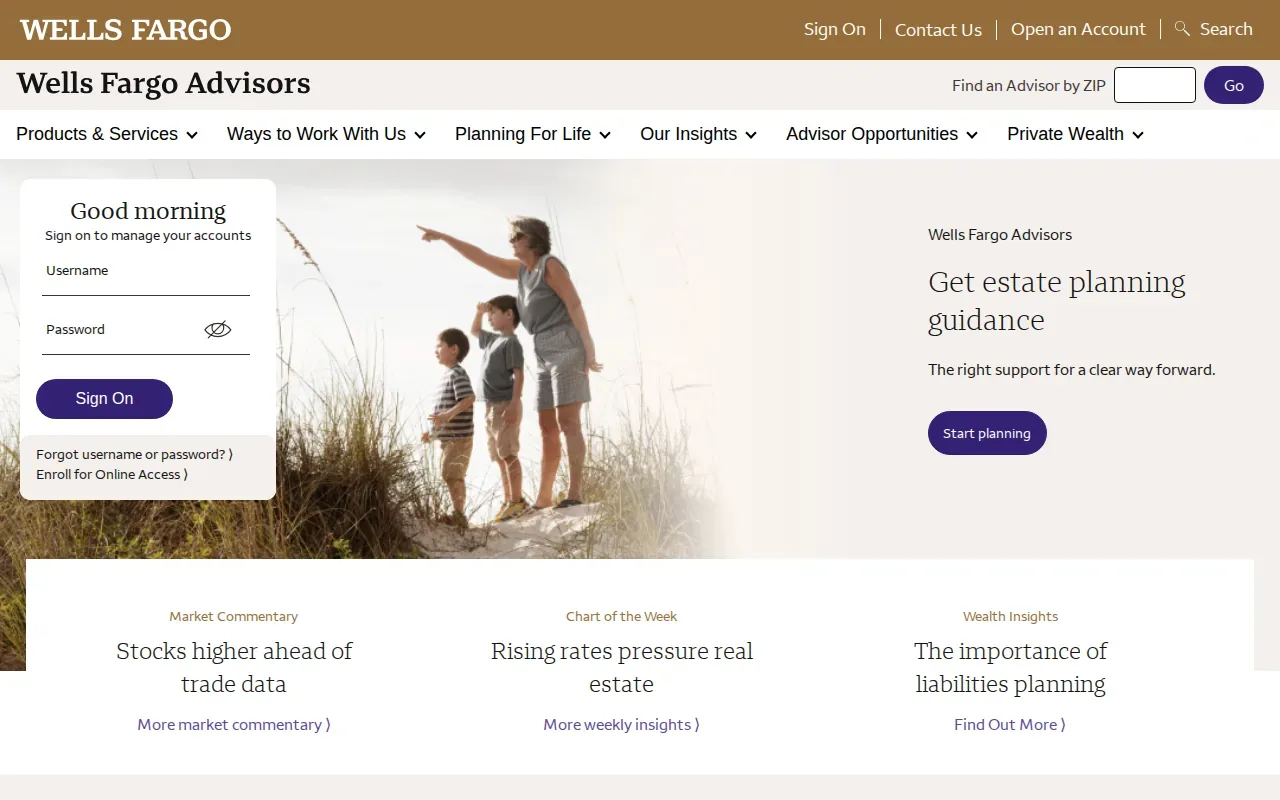
The firm states that clients can get started with at least $100,000 in investable assets. It also describes personalized, goal-based planning with a dedicated advisor for clients with more than $250,000. Those thresholds can help you decide whether its advisory services are a reasonable place to start. For those seeking expert guidance on investment structuring and legal protection, EL HASNAOUY Law Firm & Arbitration offers specialized advice relevant to retirement planning.
Its planning process includes a conversation about your needs, a proposed investment plan, and a chance to review that plan before signing an agreement. The firm says clients can meet with an advisor once a year or when goals change. Ask how often your own meetings would happen and what support you can expect between them.
The firm describes a range of financial services for retirement goals, including estate planning, insurance, and education savings. It also says advisor compensation can vary by service. Before you commit, ask which fee model applies, what it covers, and whether any investment costs are separate.
This option may suit someone who wants an advisor relationship and investment services, and whose investable assets fit the stated entry points.
5. Vanguard: Investment services from a large investor-owned company
Vanguard is a large investment company with services for individual investors and retirement plans. It describes personal advice for people planning when to retire, balancing goals, or deciding how Social Security fits into their plans.

Vanguard also discusses consolidating retirement accounts. Bringing accounts together may make it easier to review investments and track withdrawals, though a transfer is not automatically right for everyone. Check how each account is taxed, whether it has transfer rules, and whether you want to keep its current investments before making a change.
The company provides retirement plan services for employers as well as individual investors. Its materials name workplace plans such as 401(k), 403(b), and 457 plans. That means you may come across Vanguard both through a workplace plan and as an individual investor, though the service and account choices can differ.
Investment expenses matter because they reduce the amount that stays invested. Compare costs at the account and investment level, then consider what advice you’ll receive for those fees. Vanguard’s own materials warn that investing involves risk, including the possible loss of money.
Vanguard may suit someone who wants investment services, retirement account support, or advice tied to retirement timing and Social Security decisions.
Compare these retirement planning service options
The right choice depends on who needs help and what kind of help they need. An employer selecting a plan consultant has a different task from a family seeking investment advice. A retirement planning service can focus on personal advice, workplace plans, or investments, so start with the work you want done.
| Provider | Best fit by stated focus | Useful point to check |
|---|---|---|
| Ameriprise Financial | Personal financial advice and retirement investment advice | How often you’ll review goals with an advisor |
| EP Wealth Advisors | Fee-only planning that includes tax and estate considerations | What the fee covers and how outside professionals coordinate |
| Waverly Advisors | Employer retirement plan consulting | Whether the engagement covers the employer’s exact task |
| Wells Fargo Advisors | Dedicated-advisor and investment services | Whether your assets meet the stated entry point |
| Vanguard | Investment services and retirement account support | Account costs, transfer terms, and the advice included |
Before you sign, bring a clear picture of your income, savings, debts, expected retirement date, and major costs. Ask the advisor to explain how they’ll assess your information, present recommendations, and revisit the plan. If you already have a 401(k), IRA, or Roth IRA, ask how it fits with the rest of your savings instead of treating each account as a separate plan.
Also ask about emergency savings, estate documents, health costs, and the income you expect from Social Security or other sources. These topics affect how much savings you may need and when you might draw from it. A professional can help model scenarios, but no plan can remove investment risk or promise a specific result.
DIY calculators and online account tools can help you test assumptions. Paid advice may make sense when you want a person to review several moving parts or help you stay on course during a major change. Compare the fee with the service you’ll receive, not with a promise of better returns.
Life Care Benefit Services takes a different route by pairing retirement planning with life and health insurance options. The agency says it works with more than 50 insurance carriers and helps clients review options with licensed insurance advisors. If protecting family finances and considering insurance alongside retirement goals matter to you, its retirement planning and life insurance information for small business owners is a relevant place to explore that approach.
Frequently Asked Questions
What does a retirement planning service do?
A retirement planning service helps you connect your savings and investments with your expected retirement needs. Depending on the provider, that may include personal financial advice, investment management, or employer plan consulting. Ask what the service covers, how often you’ll review the plan, and whether tax, estate, or insurance questions are included or handled by other professionals.
Is a financial advisor worth it for retirement planning?
A financial advisor may be useful when you want help reviewing several accounts, weighing choices, or adjusting a plan after a life change. The value depends on the advice you receive and the fee you pay. Compare the scope of service with your needs, and remember that advice cannot guarantee investment gains or prevent losses.
Should I use a 401(k), IRA, or Roth IRA for retirement?
Those accounts can each play a role in retirement saving, but the right mix depends on your situation and account rules. Review how contributions and withdrawals are treated, whether an employer plan is available, and how each account fits your goals. An advisor or tax professional can help you compare options for your circumstances.
Can retirement planning include insurance and health costs?
Yes, retirement planning can include insurance needs and expected health costs. Those costs may affect how much income you need and how you plan to use savings. Life Care Benefit Services focuses on insurance options alongside retirement planning. Ask any provider how it handles health coverage, life insurance, and long-term care concerns, and who can advise on each area.
Conclusion
Choose a provider based on the kind of help you need, then ask for a clear outline of services and fees before you commit. If insurance belongs in that conversation, Life Care Benefit Services can help you review coverage options with a licensed advisor. Start by writing down your retirement goals and the questions you want answered.